The Ministry of Economy and Finance, as usual, did not seek parliament's approval to increase expenditures throughout the year, nor did it provide lawmakers with explanations for specific expenses. Instead, the bill proposing amendments was introduced only at the end of the year.
For example, in Kazakhstan, the government made ten budget adjustments throughout the year, each of which passed through parliament, where lawmakers received detailed explanations for the changes.
As previously reported, discussions on the amendments in Uzbekistan's Legislative Chamber lasted only 9 minutes (compared to around 20 minutes in 2023 and 30 minutes in 2022). The speech by the Deputy Minister of Economy and Finance, Ahadbek Haydarov, lasted only 5 minutes. The new parliamentarians then approved the document in three readings without any questions or debates. In previous years, some members of parliament raised questions during such discussions.
None of the deputies voted against the changes, and neither the government nor the deputies provided a clear rationale for the need to increase state expenditures.
On December 18, the Senate also approved the law, but senators spent more than an hour discussing the amendments, with Ahadbek Haydarov’s speech lasting 27 minutes.
Increase in state expenditures
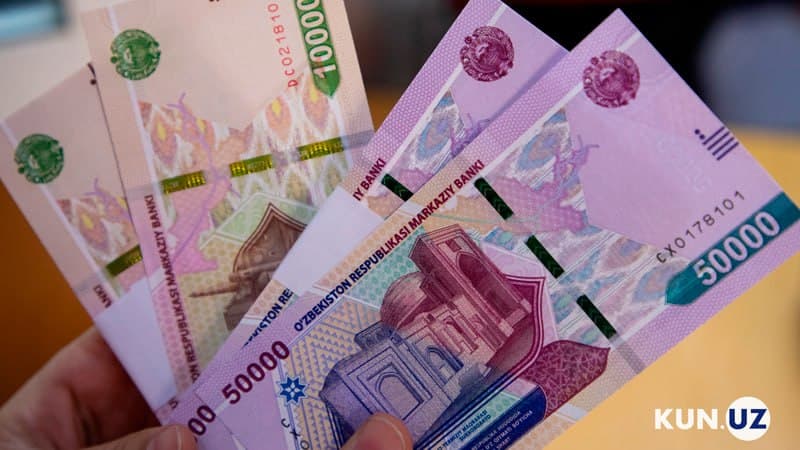
According to the amendments, the expenditures for ministries, committees, agencies, and other state bodies have been increased by an additional 9.98 trillion UZS (or $775.8 million), bringing the total to 265.4 trillion UZS, up from the previously approved 255.4 trillion UZS.
An additional 2.43 trillion UZS (totaling 11.98 trillion UZS) will be allocated for wage increases, pensions, allowances, and some types of services provided by budgetary organizations.
According to Ahadbek Haydarov, the increase in state expenditures is due to the following reasons:
- Transfers to the Education Loan Fund: 841 billion UZS (to cover expenses already allocated by banks);
- Distribution of inhalation drugs for the treatment of allergic and secondary immunodeficiency diseases for patients listed in the Social Protection Unified Registry: 30 billion UZS;
- Strengthening the material and technical base of the Ministry of Culture and the Arts, as well as providing material incentives: 100 billion UZS;
- One-time aid payments for vulnerable families during the heating season and subsidies to cover the difference between basic and increased rates for electricity and gas: 592 billion UZS;