Unhealthy and toxic 65 days — Long-term analysis of the factors polluting Tashkent’s air
|23:35 / 08.02.20252,43110 min
The blocking of wind corridors by construction, dust masses from Kazakhstan, and the reliance on coal for heating were among the factors that forced Tashkent residents to breathe unhealthy and toxic air for 65 days in 2023. These issues are explored in a study conducted by the Central Asian University of Environmental and Climate Change Studies and the Research Institute of Hydrometeorology.
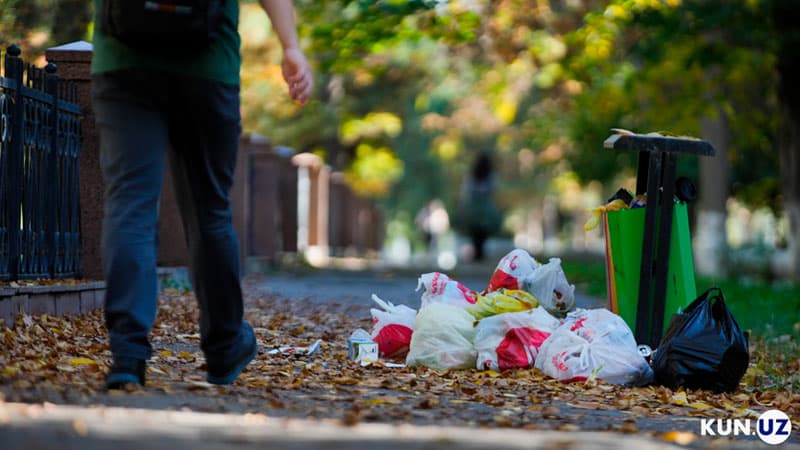
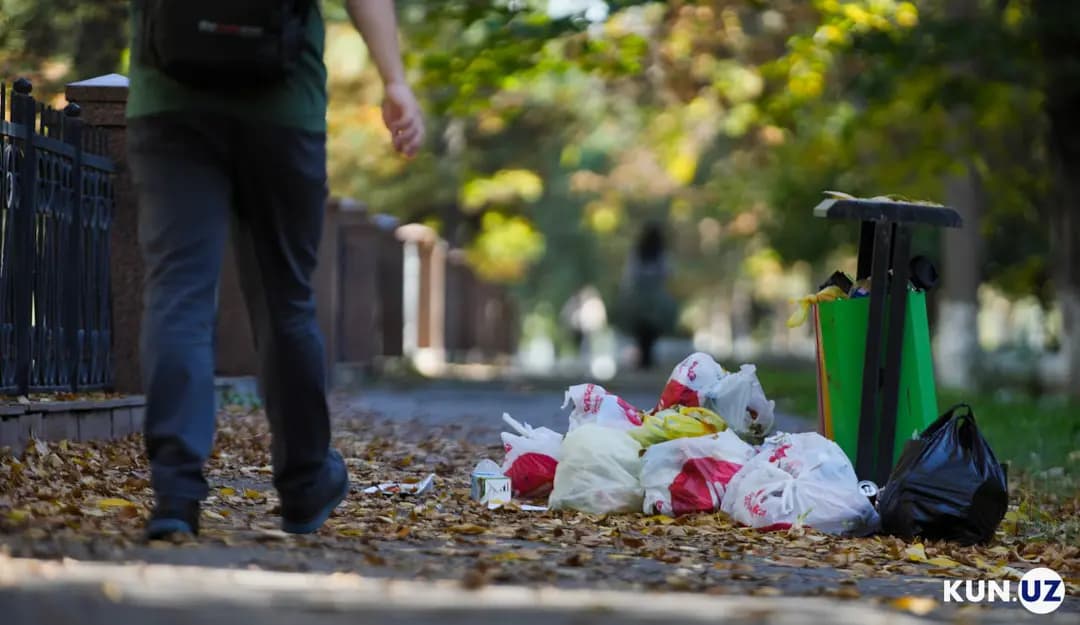
Photo: KUN.UZPhoto: KUN.UZ
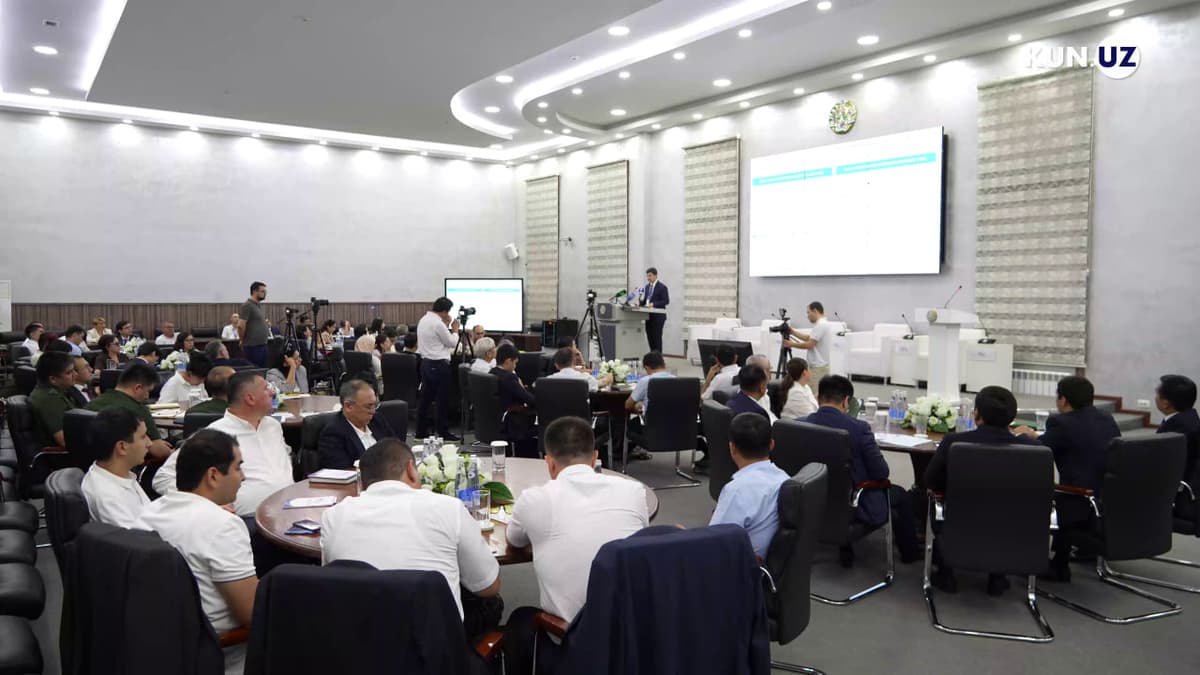
The results of the study, which also outlines potential improvements, were presented by climate expert Erkin Abdulahatov at an event organized by VatandoshTV Club. The information in the article was gathered from Abdulahatov's presentation.
Blocking of wind corridors
Wind corridors naturally form in valleys where rivers are present, as these water bodies act as natural wind channels. In Tashkent, the primary wind direction has historically been from the northeast to the southwest. Due to the structured placement of the river irrigation system in this direction, the wind has been effective in dispersing accumulated pollutants from the city.
However, in recent years, excessive construction along the banks of canals and rivers — particularly in protected areas — has disrupted atmospheric air circulation, altering both wind speed and direction. As a result, pollutants that have built up in the city can no longer be effectively dispersed.
Changes in wind direction and speed
From the 1950s to the 1980s, the wind predominantly came from the direction of Qibray, Keles, or Kazakhstan, with wind speeds of 2-3 meters per second. This allowed the polluted air accumulated at a height of 2 meters in the city to be carried away.
In 2020, however, the prevailing wind directions, as represented on the wind rose, shifted eastward, towards the industrial cities of Angren, Almalyk, and Akhangaran. The intensity of winds from the west, particularly from Kazakhstan, also increased. Additionally, dust masses from the Chordara reservoir area and surrounding irrigated lands are being lifted by these winds and carried into Tashkent.
In the last century, the average annual wind speed was 1.7 meters per second, but it has since dropped to 1.4 meters per second. This decrease in wind speed — by half a meter per second — has contributed to the influx of pollutants from various directions and a rise in windless days.
A comparison of wind patterns over the past 15 and 5 years reveals a notable shift. There is no longer a clear prevailing wind direction. Over the last 15 years, dust from industrial cities to the east and west, as well as from Kazakhstan, has been entering the city. However, in the last 5 years, dust from the southwest — specifically from the Sergeli district — has also begun to affect the air quality, with wind speeds now reaching up to 4 meters per second.
Increase in toxic substances over the years
Related topics
Between 2017 and 2022, UzHydromet conducted measurements at 13 stationary posts, tracking dust, sulfur, carbon monoxide, nitrogen oxides, and phenol. The statistics show that not only dust but also other toxic particles have been on the rise. The highest levels of pollution were found in the Mirzo Ulugbek, Mirabad, Sergeli, and Yashnabad districts.
It’s important to note that the agency's stationary posts did not record PM2.5 and PM10 particles until 2022.
Pollution levels are not consistently high throughout the year. The autumn and winter months tend to have more polluted days. The most significant pollution occurred for 19 days in January, 5 days in December, and 1 day each in October and November. In total, there were 39 unhealthy days, with the majority occurring in November and December.
The study also developed maps of PM2.5 levels for 2023 and 2024. It’s clear that in 2023, the highest pollution levels were observed in the Yunusabad district, while in 2024, the Almazar district is expected to experience the highest levels of pollution.
Sources of pollution
36% of the pollution comes from natural sources, particularly dust from Kazakhstan and other regions. 6% is attributed to dust from construction and industrial enterprises, while 16% is linked to the automotive sector.
Another significant source of pollution — 28% — stems from heating centers and heat stations during the winter months. 13% of pollution comes from dust produced by heavy and light industries.
In the last 7 years, construction activity in the city has doubled. Between 2016 and 2020, green spaces decreased by 13%, contributing to a 6% increase in dust generated from construction sites.
The rise in the number of vehicles in the capital has also contributed to a higher output of harmful substances into the atmosphere. According to a statement from the Ministry of Ecology, Environmental Protection, and Climate Change in January 2024, in 2023, an average of 730,000 vehicles were on the road in Tashkent daily, with an additional 160,000 to 300,000 vehicles entering the city from surrounding areas. In 2021, vehicles emitted 212,400 tons of pollutants, and by 2022, this figure had increased to 403,000 tons, marking a 47.3% rise. Uzbek researchers have also proven that the friction between vehicles and asphalt surfaces can release fine particulate matter into the air. Furthermore, the gas emissions from vehicle fuel combustion have been linked to conditions like Alzheimer’s disease, as confirmed by Chinese scientists.
Greenhouses account for 16% of the pollution.
Targeted solutions for districts
The presentation addressed the conditions of the city’s districts and proposed solutions tailored to the unique characteristics of each area.
Central districts (Yunusabad, Mirabad, Shaykhontohur):
Expand green spaces in each central district: Ensure that at least 20% of the area is dedicated to green spaces relative to the population size.
• Increase the number of pedestrian and bicycle lanes. For example, allocate 15% of roads in the Yunusabad district for pedestrian zones.
• Implement electric vehicle infrastructure by restricting car traffic.
Sergeli and Almazar districts:
• Create "green belts": Plant additional trees over 500 hectares around industrial zones in Sergeli.
• Construct artificial water basins to collect rainwater, using this water for tree irrigation.
• Expand the public transportation network by introducing electric buses and new tram routes in Sergeli.
• Implement dust suppression measures on city streets and fountains using water trucks.
Bektemir and Yashnabad districts:
• Renovate water basins in Bektemir and restore natural water flows.
• Develop "ecological parks" around water and green areas in Yashnabad to promote eco-tourism.
• Implement water conservation technologies and upgrade water purification infrastructure.
Chilanzar and Uchtepa districts:
• Set up waste recycling centers in each neighborhood.
• Organize large-scale tree planting initiatives to restore green spaces.
• Monitor air quality in residential areas and accelerate the transition to clean energy.
• Implement dust suppression measures on city streets and fountains using water trucks.
Additionally, several mechanisms have been proposed for universal application across all areas. These include:
• Strengthen the "Green Nation" project: Establish over 1,000 hectares of green spaces in each district, in line with the 2045 planning goals.
• Expand the planting of basil, mint, lavender, and rosemary along promenades.
• Plant broadleaf trees such as hazelnut, apricot, and ginkgo, and coniferous trees like larch and Manchurian metasequoia. Paulownia trees are also recommended for planting along streets.
• Involve both the public and private sectors: Ensure the active participation of private investors in greening and recycling initiatives.
• Foster technological innovations: Implement air, water, and waste monitoring systems based on IoT and GIS technologies.
• Increase the cultivation of Chlorella aquatic plants in all water bodies.