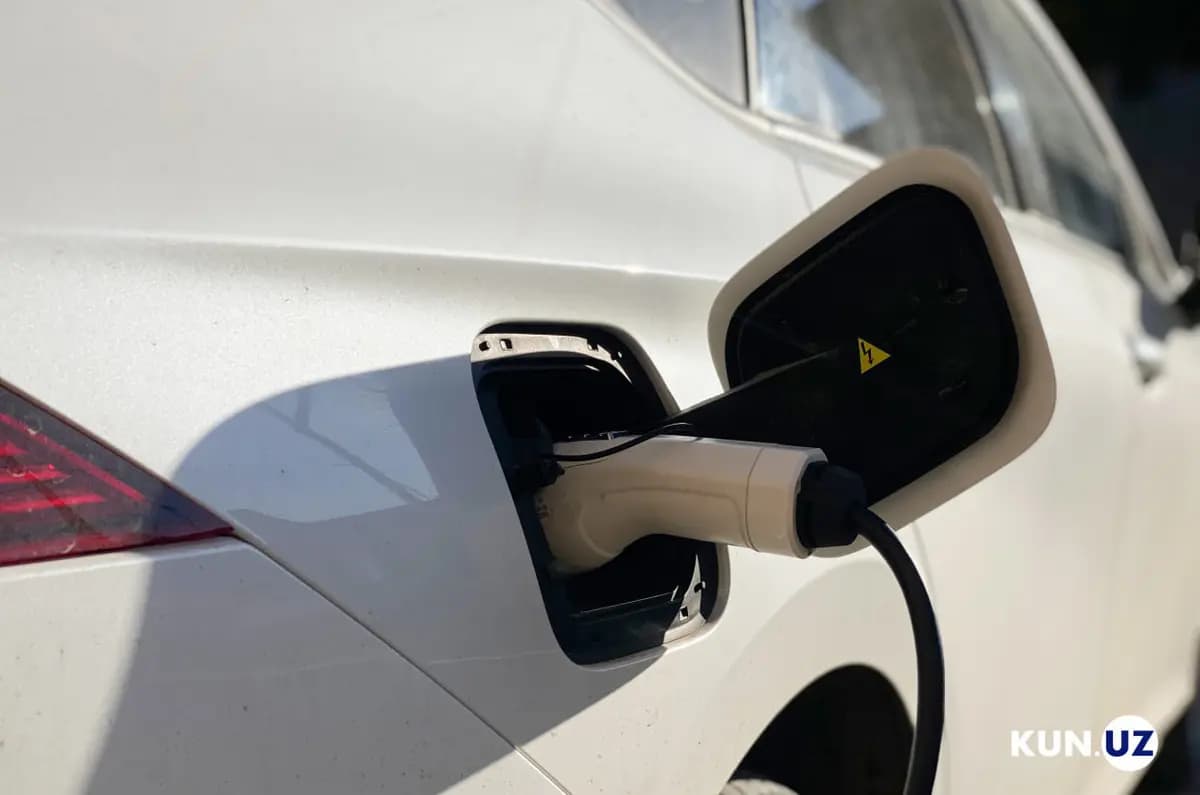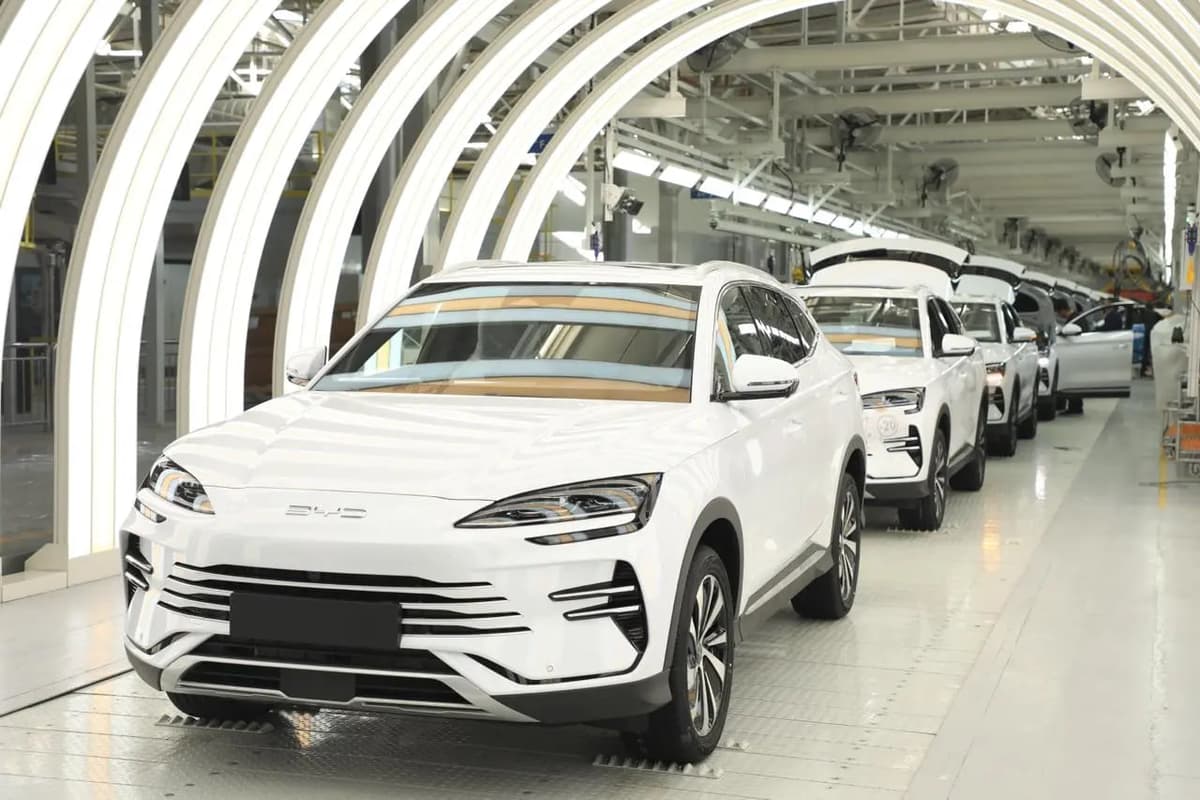

Starting May 1 of this year, the utilization fee for electric vehicles less than three years old will increase from 30 times the base calculation unit (BCU) to 120 times, meaning the current fee of 11 million UZS will rise to 45 million UZS. How will this decision impact Uzbekistan's environment?
Recently, climate issues have become more pressing not only in Uzbekistan but worldwide. Previously fertile regions have turned into deserts, people are paying increasingly high prices for drinking water, and glaciers are melting at an alarming rate due to global warming.
According to data from the IQAir portal, air quality in Uzbekistan has significantly deteriorated in recent years. In fact, at times, the capital city, Tashkent, has recorded worse air pollution levels than heavily polluted cities in India and Pakistan.
Several factors contribute to this issue. For example, the use of motor vehicles in Tashkent is significantly higher than in other regions of Uzbekistan. According to the National Statistics Committee, as of January 1, 2024, there were 103 passenger cars per 1,000 people in the country. Among all cities and regions, Tashkent has the highest number of vehicles, which naturally leads to increased fuel consumption and greater air pollution.
Impact of electric vs. traditional vehicles on the environment
If we look at the experiences of developed countries, we can see that in densely populated areas, maintaining environmental sustainability relies on well-established public transportation systems and incentives for using electric vehicles. Public transport in these regions stands out for its convenience and strictly regulated pricing policies, making it an attractive alternative to private cars.
According to a 2023 report by the Korea Transport Institute, cities with large populations tend to have highly developed public transport networks. In this ranking, Hong Kong, China, secured the top position, followed by Zurich, Switzerland, in second place and Stockholm, Sweden, in third. Compared to private cars, public transport plays a crucial role in reducing air pollution. Additionally, widespread adoption of electric vehicles also contributes significantly to improving air quality.
Electric vehicles, running entirely on electricity, do not emit carbon dioxide (CO₂) while in operation. In contrast, conventional gasoline and diesel vehicles release an average of 150–200 grams of CO₂ per kilometer traveled. Furthermore, since electric vehicles lack a combustion process, they do not produce toxic particulates such as NOx, a class of nitrogen oxides that contribute to air pollution. Traditional cars, however, emit an average of 0.05–0.15 grams of these pollutants per kilometer, releasing harmful PM10 and PM2.5 particles into the air.