From forgotten to frontline: Does Central Asia really matter now?
|21:09 / 10.04.202552,94311 min
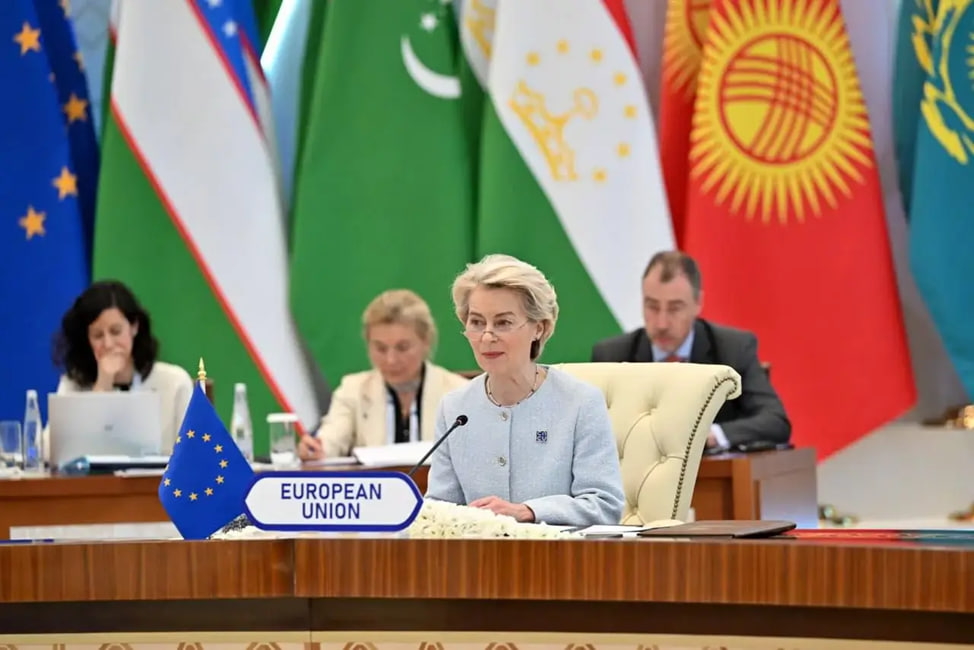
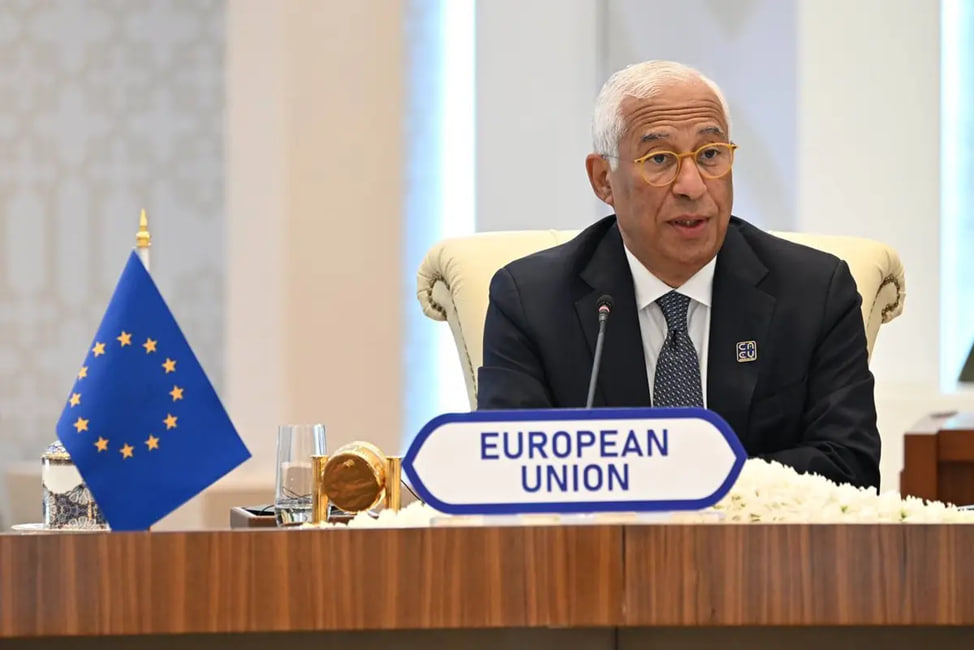
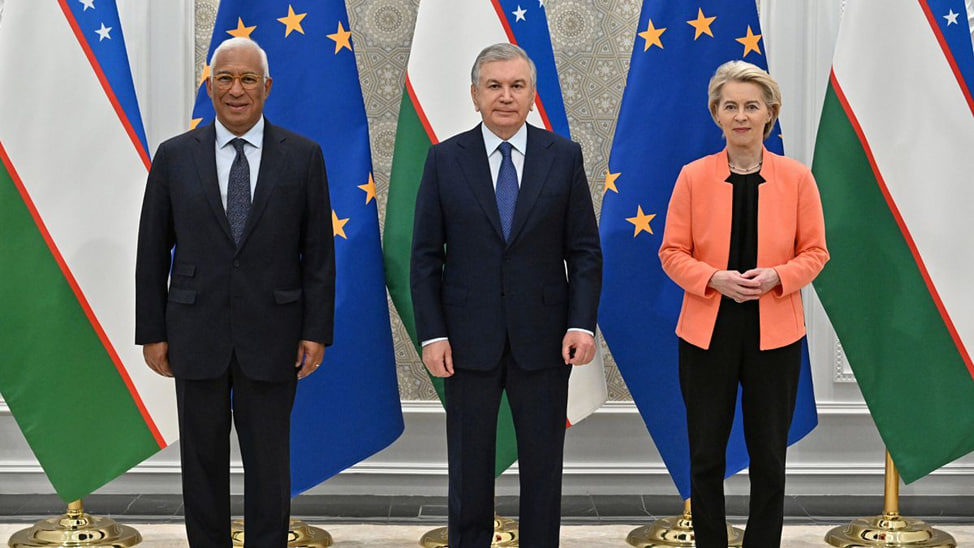
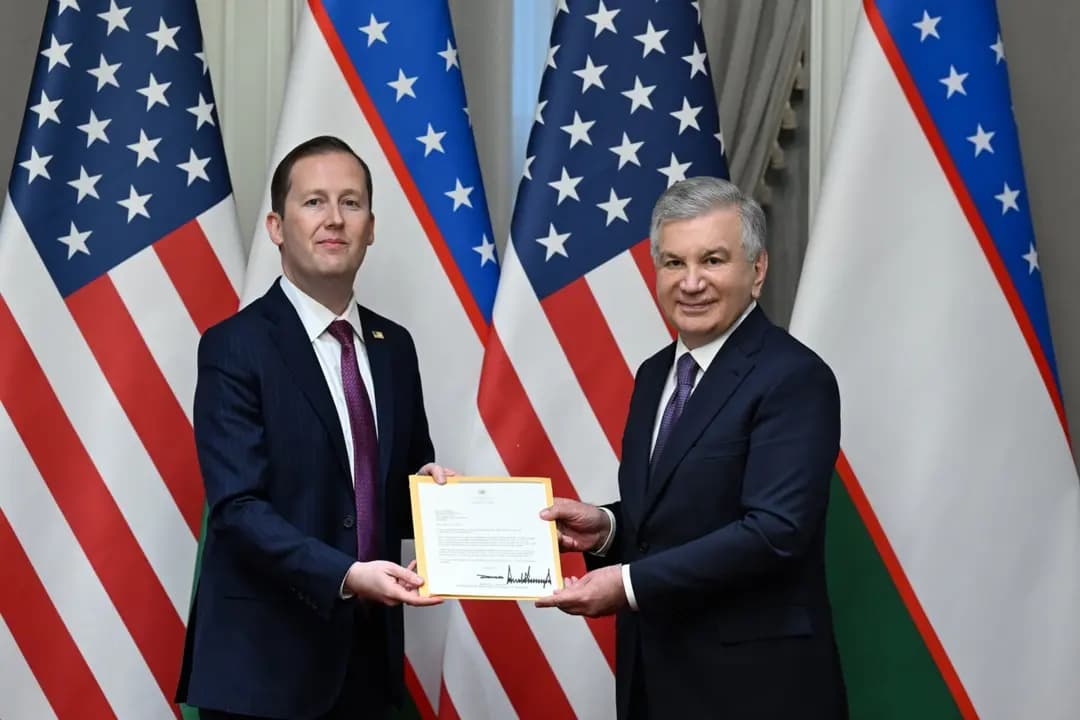
Central Asia, which is usually overlooked as a peripheral region in global geopolitics, now come into the spotlight of the European political landscape. The first summit of the five Central Asian states Presidents in the historic city of Samarkand, Uzbekistan, with the President of the European Commission, Ursula von der Leyen, and President of the European Council, António Costa, marked a turning point.
Photo: Presidential press servicePhoto: Presidential press service
Key areas of discussion included logistics and transportation, raw materials, the green economy, and others. Why, suddenly, have the states of the 'five Stans' become relevant in international politics and the economy?
Leaders of Central Asian states and EU top officials at Central Asia-EU summit, 3-4 April, 2025
Critical raw materials: Essential for the EU
The EU seeks to find alternative energy from Russian energy due to the war in Ukraine and the sanctions it imposed. While some EU states like Hungary continue imports, Brussels emphasizes the need for alternative, sustainable energy sources. Central Asia, rich in critical raw materials, is emerging as a strategic partner despite long-standing Russian and Chinese influence.
The region has 40% of the global reserves of manganese, as well as lithium, graphite, and more. Critical raw materials – vital for green energy – are abundant in the region: Kazakhstan produces 19 of the EU’s 34 listed materials and plans to expand this to 21. Uzbekistan is the fifth-largest uranium supplier and holds vast reserves of silver, titanium, molybdenum, and gold.
“These raw materials are the lifeblood of the future global economy. Yet they are also a honeypot for global players. Some are only interested in exploiting and extracting. Europe's offer is different. We also want to be your partners in developing your local industries. The added value has to be local.” Ursula von der Leyen-President of the European Commission.
Though Kazakhstan and Uzbekistan are modernizing their mining sectors and opening up to foreign investment, environmental and infrastructural challenges
. Strong EU partnerships could align these countries with Europe’s sustainability goals – if approached with long-term balance.
The Trans-Caspian Corridor: A path to enhanced connectivity
To facilitate trade and connectivity, the EU supports the development of the ambitious Trans-Caspian Corridor. While €10 billion was committed during the summit, the EBRD in 2023 estimated that €18.5 billion would be needed. Until then, export routes remain limited – Tajikistan, for instance, sells aluminum to China and Russia due to easier logistics.
Trade, investment, and strategic relations
Tensions between the EU and the US, particularly over tariffs and the Ukraine conflict, are driving Europe to seek new partners. On April 2nd, Trump announced a 20% tariff on EU goods, prompting criticism from EU leaders, who emphasized the negative consequences for consumers and the global economy.
Central Asia, a region historically linked to the Silk Road and with a population of 81 million, predominantly young, serves as an alternative trade partner.
Trade between Central Asia and Europe reached €54 billion ($60 billion) in 2023, showing a significant rise since 2014. However, China remains a dominant partner, with €94.8 billion ($103.33 billion) in 2024 trade. Russia also maintains significant influence in the region, with $44 billion in 2023 trade and $15 billion in remittances.
Nevertheless, the EU is Central Asia’s second-largest trading partner, accounting for 22.6% of the region’s trade in 2023, and its largest investor, contributing over 40% of foreign direct investment.
Outcomes of the summit
Ursula von der Leyen announced a €12 billion ($13.2 billion) package under the Global Gateway initiative. This package is part of a broader effort to develop global outreach, supported by a €300 billion fund, which analysts believe is Europe's response to China's Belt and Road initiative.
The new package will finance projects in transport (€3 billion), critical raw materials (€2.5 billion), water, energy and climate (€6.4 billion), as well as digital connectivity - some of which have already been greenlit and allocated by the European Bank for Reconstruction and Development (EBRD).
At the end of the summit, a Joint Declaration was signed where the level of relationship was uplifted to a strategic one with 20 paragraphs and the deliverables in sectoral cooperation in the areas of:
Strengthening multilateralism
Addressing common security challenges
Enhancing economic ties, trade and investments
Engaging on energy, climate neutral economy, connectivity under the Global Gateway and cooperating on the European Green Deal
Strengthening people-to-people contacts and mobility
The same year, a new Investors Forum will take place in Uzbekistan, alongside plans to establish the European Investment Bank regional office. During the summit, the EIB Vice President signed four memorandums, securing €365 million in investments for sustainable transport, water management, and climate resilience projects. Additionally, the summit confirmed support for holding similar high-level summits every two years.
Balancing interests: governance, values, and pragmatism
While the summit focused heavily on economic cooperation, connectivity, and strategic autonomy, some areas – such as governance standards and the rule of law – were acknowledged only implicitly. In the joint declaration, commitments to human rights, international norms, and multilateral engagement were briefly reaffirmed, though these values were not prominently featured in public statements or press briefings.
Observers noted that topics traditionally associated with democratic governance, transparency, and individual rights were not at the forefront of the dialogue. This reflects a broader shift in the EU’s foreign engagement approach, increasingly shaped by the complexities of global competition and regional positioning. One EU official emphasized the importance of "constructive engagement" and expressed the belief that sustained cooperation on trade and infrastructure would, over time, contribute to broader improvements – including in areas such as due diligence and institutional development.
As one EU diplomat remarked, the Union is increasingly taking on a "pragmatic tone," shaped by the fragmented geopolitical environment and the urgency of establishing new economic alliances.
As for the response from Central Asian leaders, official statements largely focus on priorities during the summit revolved around trade, investment, infrastructure, security and sovereignty.
“The very first EU-Central Asia summit will solidify our commitment to work together for peace, security, and sustainable development, in full respect of international law.” António Costa, President of the European Council
Locality and what sets Central Asia apart
What does this growing EU engagement mean for the Central Asian states? While each country maintains a multifaceted foreign policy approach shaped by its geographical, socio-economic, and historical context, there is a clear interest in building partnerships beyond the dominant regional powers — Russia and China. Russia’s future role in the region is increasingly uncertain due to its geopolitical isolation, while China's economic dominance is already deeply entrenched. In this context, the European Union, with its strong economy, regulatory framework, and investment potential, presents itself as a desirable alternative partner.
Reflecting this evolving dynamic, the chair of the summit, President of Uzbekistan, Shavkat Mirziyoyev emphasized the need for actionable outcomes in EU-Central Asia relations:
“I am convinced that our strategic partnership should be filled with concrete decisions, projects and programs. I would like to emphasize the importance of introducing mechanisms for the practical implementation of our initiatives and agreements.”
Importantly, trade and investment do not take place in a vacuum. Central Asian countries are not forming a unified economic or political bloc but rather pursuing cooperation through the lens of regional connectivity. While they share goals of regional stability and sustainable development, their individual economic models and political priorities often differ.
Regional dialogue has notably improved over the past eight years, with relations among the five Central Asian states becoming more constructive and coordinated. However, sensitive issues – such as the management of shared resources like water – continue to present both opportunities for cooperation and risks of disagreement.
A mutually calculated partnership
For the EU, Central Asia offers access to critical resources and strategic trade routes that can strengthen resilience amid global uncertainty. For Central Asia, Europe offers an economic and political alternative that doesn’t require choosing sides in an increasingly polarized world.
The summit marked more than symbolic diplomacy – it underscored the growing relevance of a region once considered peripheral. The question now is not just whether Central Asia matters, but how much.