





Additional features
-
Night mode

“Rivers without Boundaries” criticizes World Bank over dismissal of Rogun concerns
The public foundation “Rivers without Boundaries” submitted a complaint to the World Bank on behalf of residents of Uzbekistan and Turkmenistan living downstream of the Amu Darya, but the request was rejected.
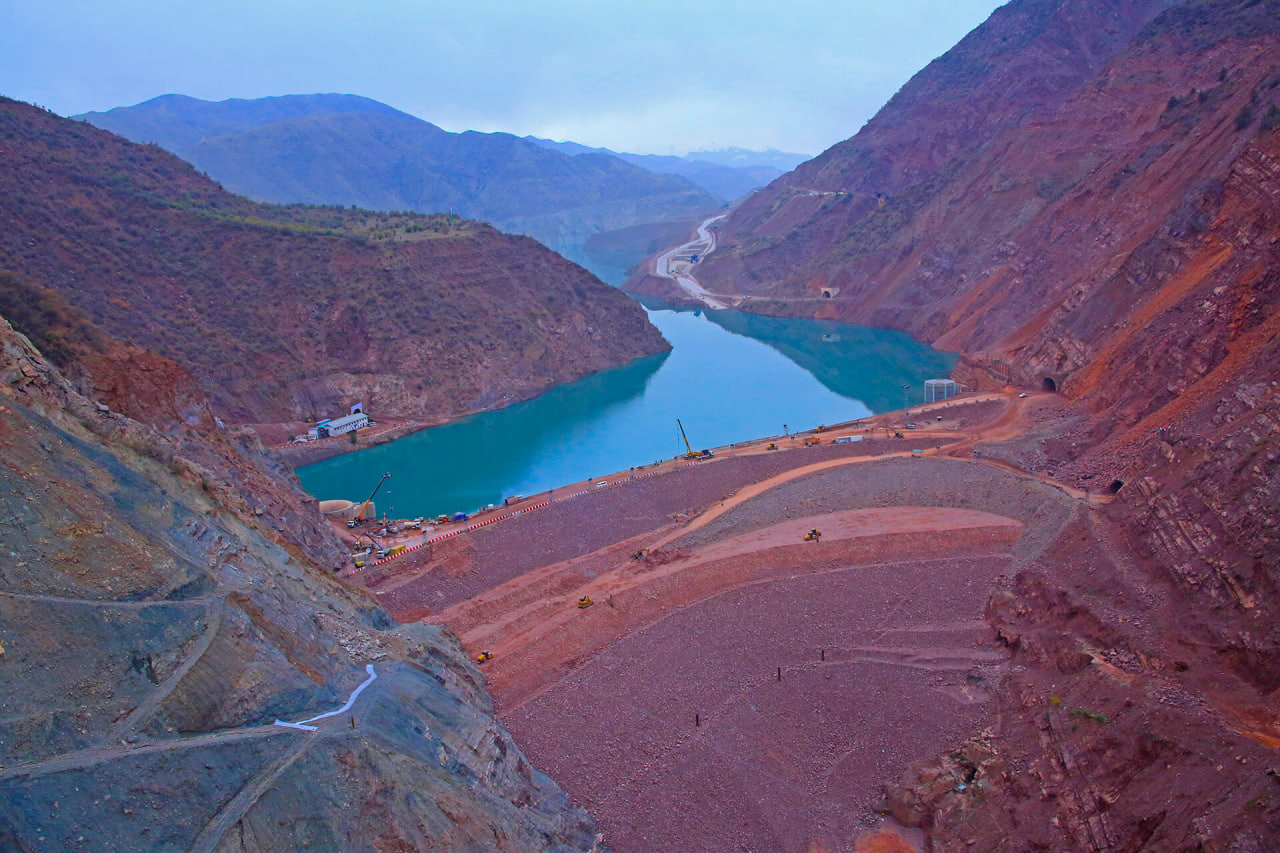
The organization warned that the construction of Tajikistan’s Rogun Hydropower Plant (HPP) could trigger environmental as well as socio-economic problems. “Rivers without Boundaries” requested an independent review of the situation and filed a complaint with the World Bank on behalf of the downstream communities of Uzbekistan and Turkmenistan.
According to the foundation, the World Bank’s Board of Executive Directors declined to launch an investigation into potential environmental risks associated with the Rogun HPP project.
“As a result, representatives of the financial institution did not consider the complaint filed by residents of Uzbekistan and Turkmenistan living downstream of the Amu Darya. It was precisely these communities who, through international mechanisms, requested a review of the project, arguing that the HPP could lead to environmental and socio-economic impacts. However, the World Bank’s leadership rejected the request, explaining that only the population of the country receiving financing, that is, Tajikistan, has the right to submit such complaints,” the statement said.
According to representatives of the Rogun Alert coalition, which includes several environmental organizations, among them “Rivers without Boundaries”, the World Bank used a formal justification to avoid discussing the region’s real environmental and social challenges. These risks, they argue, include water scarcity, worsening water quality, ecosystem degradation, and the displacement of thousands of people.
The World Bank’s Inspection Panel conducted a monitoring mission on the Rogun project in June this year and recommended initiating an investigation. Experts found that implementation of the project “may cause harm to the environment”. However, the Board of Executive Directors rejected the recommendation, citing internal procedures. This is despite the fact that a similar complaint filed by Uzbek citizens in 2010 regarding the Rogun HPP was accepted for review.
“The Inspection Panel’s recommendation confirms that the concerns of the populations of Uzbekistan and Turkmenistan are legitimate. The Board’s refusal, based on legal technicalities, looks like an attempt to avoid responsibility for the project’s complex and insufficiently assessed transboundary impacts, which could negatively affect the lives of millions of people living downstream of the Amu Darya,” said Evgeny Simonov, lead specialist at the “Rivers without Boundaries” public foundation.
He added that the situation could create a dangerous precedent for all of Central Asia, where water use remains a highly sensitive issue.
Meanwhile, representatives of the Rogun Alert coalition stated that they will continue monitoring the situation surrounding the hydropower project and will seek alternative mechanisms to protect the environmental rights of affected communities whose interests, they say, the World Bank has overlooked.
Rogun HPP is Tajikistan’s largest energy project. All stages of its construction are scheduled to be completed by the end of 2031. The plant is expected to become the largest hydropower facility in Central Asia.
Related News
12:36 / 05.12.2025
Syrdarya to launch construction of major reservoir to boost agricultural output
12:18 / 24.11.2025
Kyrgyzstan to supply water to Kazakhstan and Uzbekistan in exchange for electricity
18:08 / 18.11.2025
Tajikistan appoints new ambassador to Uzbekistan
18:13 / 15.11.2025