





Additional features
-
Night mode

President Mirziyoyev approves measures to improve air quality in Tashkent
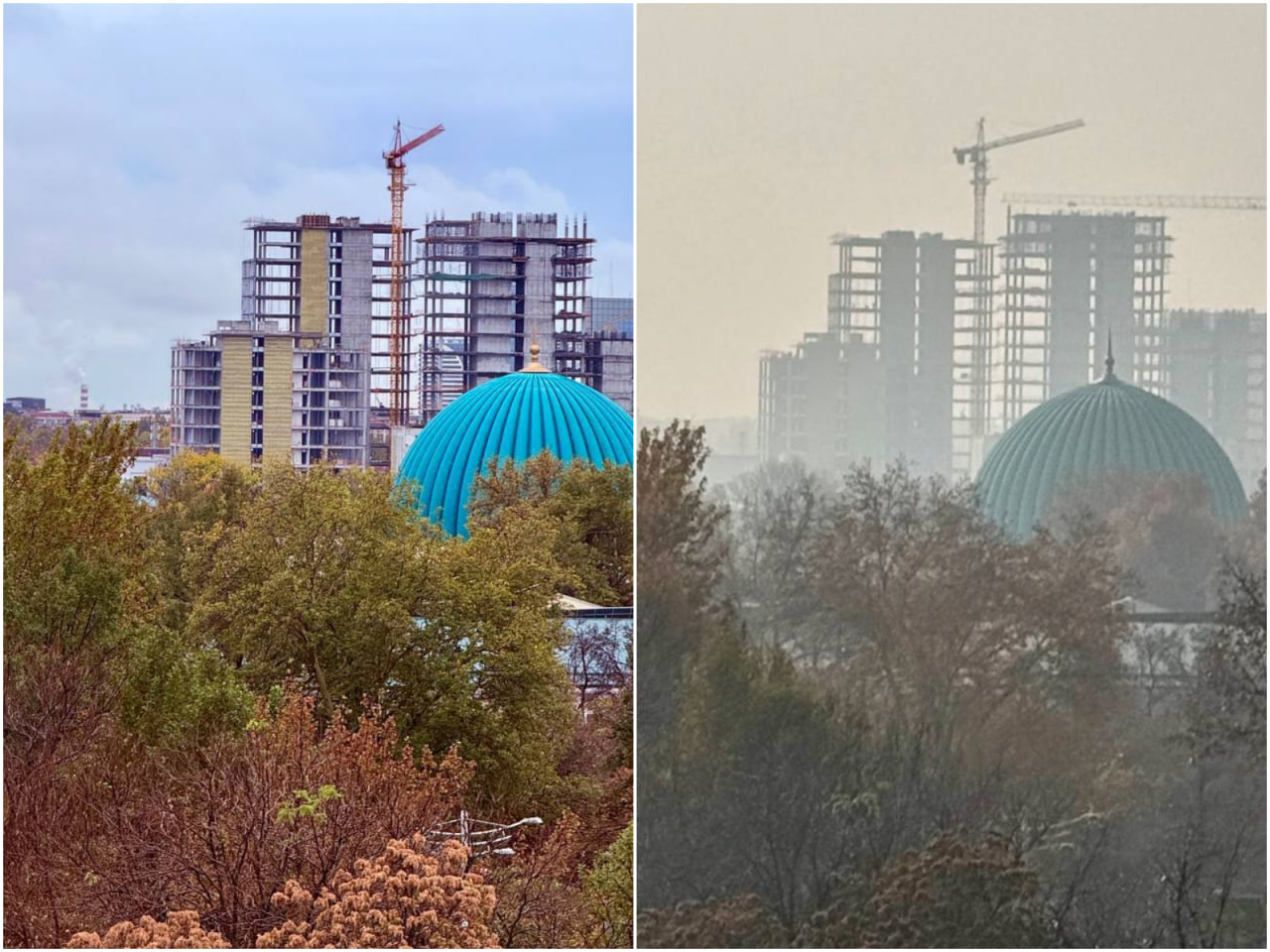
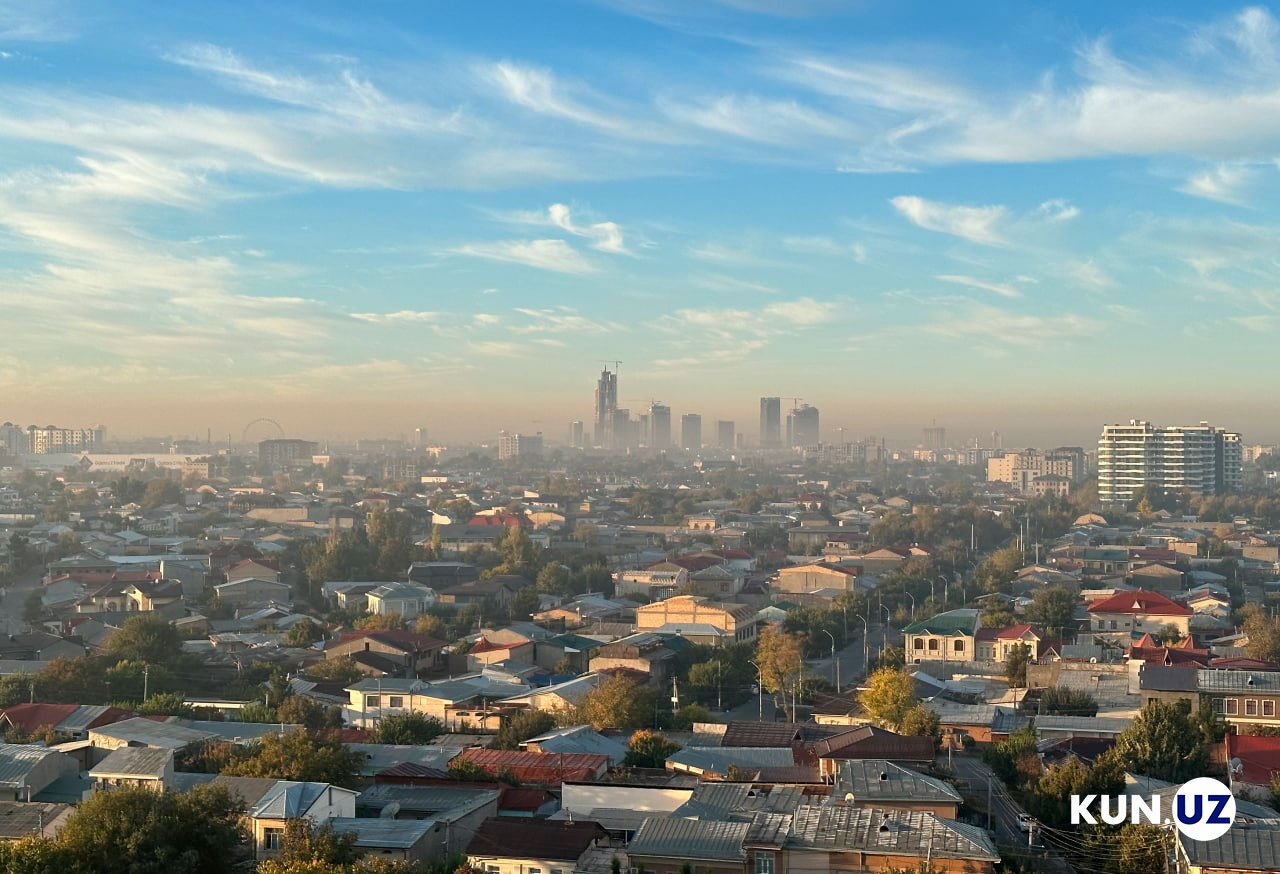
President Shavkat Mirziyoyev has approved a new program of environmental measures aimed at improving air quality in Tashkent and its surrounding districts.
Under the decree signed on 18 November, proposals will be developed by the end of 2025 to ensure a stable supply of natural gas to existing greenhouse farms in Tashkent city and Tashkent region. The plan includes:
- analyzing greenhouses’ demand for natural gas, current capacities, and possibilities of connecting to available networks;
- assessing the technical condition and capacity of gas distribution networks in areas where greenhouses are located;
- studying opportunities to introduce energy-efficient heating technologies, including the efficient use of natural gas and the integration of alternative energy sources such as biogas and solar power;
- improving seasonal schedules, limit mechanisms and tariff systems to ensure uninterrupted natural gas supply and prevent disruptions in greenhouse operations.
By the end of this year, the government will also prepare proposals to amend legislation aimed at tightening liability for emissions of pollutants caused by the use of mazut and other high-polluting fuels.
From 1 December, strict control will be introduced nationwide to halt the sale of AI-80 petrol at fuel stations, ensuring the supply of cleaner, environmentally friendly fuel to the population.
Beginning in December, Tashkent will introduce restrictions on the movement of freight vehicles during peak hours. The Ministry of Internal Affairs will designate the specific streets where these restrictions will apply.
By March 2026, Uzbekistan will develop the Environmental performance standards in construction, which will require construction companies to install baseline monitoring stations and online cameras at work sites before construction begins, as well as implement other environmental measures. These standards must comply with international norms.
By April 2026, a separate construction standard will be introduced based on international practice, requiring that wind direction and speed be taken into account when carrying out construction work. The standard will:
- set requirements for buildings and structures based on wind direction;
- determine how the placement of buildings should consider wind flow;
- establish the procedure for obtaining opinions from construction, environmental and cadaster authorities before construction begins.
The Centre of Hydrometeorological Services (Uzhydromet) has been instructed to continuously monitor wind patterns in Tashkent and regularly provide this information to the public through the media.

A national working group will be established by late November 2025 to implement the Green Tashkent project. The group will coordinate measures to expand green spaces in the capital, including protective and recreational areas, and develop modern landscape and urban ecosystems. It will also oversee upgrades to irrigation and maintenance infrastructure and the introduction of energy-efficient and digital monitoring solutions.
The working group will include representatives of the Ecology Committee, the Tashkent city administration, the Ministry of Construction, the Ministry of Economy and Finance, the Ministry of Higher Education, Science and Innovation, and other relevant government bodies.
A draft government resolution establishing the Tashkent City Forestry Department must be prepared by the end of December 2025. The document will define the department’s responsibilities, key areas of activity, staffing structure, and material-technical base.
In addition to the above, the program includes several further measures:
- reviewing applications for the sanitary cutting of trees and shrubs through a collegial voting system;
- establishing 18 dendrology sites and 15 botanical gardens across the country;
- improving the work of landscaping services and the state institution “Green Zone”;
- evaluating and certifying the performance of management-level staff of the Ecology Committee;
- providing buildings and facilities for the district and city branches of the Ecology Committee.
As reported earlier, on the same day this resolution and a related decree were signed, the Ministry of Ecology was removed from the Cabinet of Ministers and re-established as an independent committee.
An Environmental Police (Ecopolice) was created under the committee, and its officers were granted the authority to use physical force.
The Cabinet of Ministers, government agencies and local administrations are now strictly prohibited from issuing any documents permitting the cutting or relocation of trees and shrubs.
Related News
10:32 / 12.12.2025
Uzbekistan introduces stricter rules for e-services, imports, and VAT compliance
16:23 / 11.12.2025
Environmental breaches prompt temporary shutdowns across Tashkent
15:10 / 10.12.2025
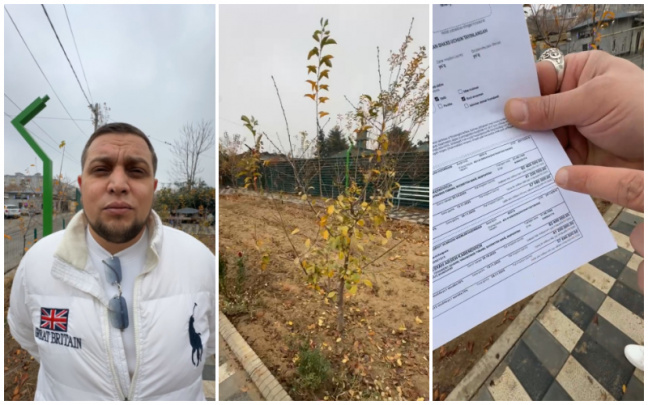
Tashkent resident fined UZS 82 million for turning empty lot into green space
16:14 / 09.12.2025