




Additional features
-
Night mode

Uzbekistan’s public debt climbs to $44 billion as external borrowing rises
As of 1 October 2025, Uzbekistan’s public debt reached $43.97 billion, including $36.7 billion in external debt and $7.2 billion in domestic debt. Compared with the same period last year, public debt increased by $4.88 billion. Its ratio to GDP rose to 32.3 percent.
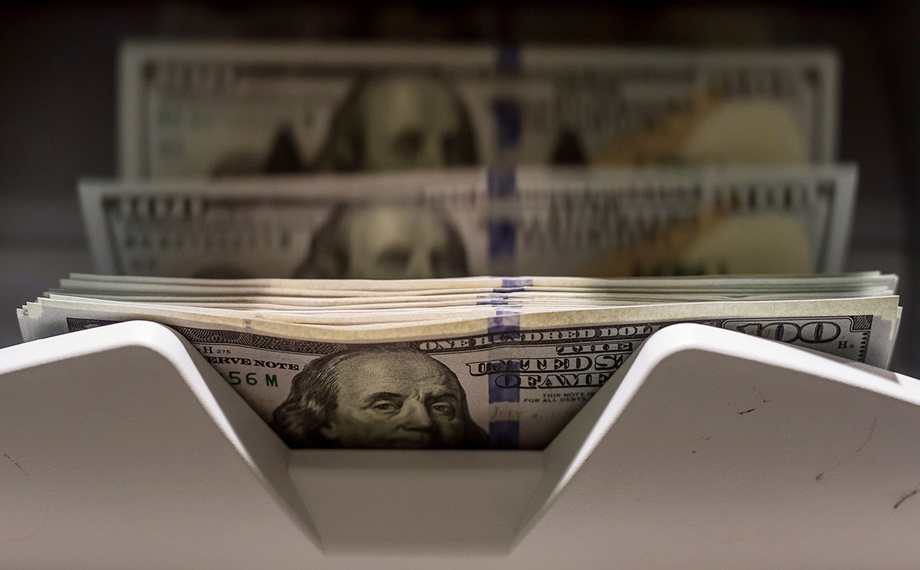
Photo: Getty images
External debt accounts for 84 percent of total public debt, while domestic debt represents 16 percent. By the end of the third quarter, public debt per capita amounted to $1,154.
How were the borrowed funds used?
According to the latest data, 47 percent of total external public debt ($17.4 billion) was directed to budget support. Another 16 percent ($5.8 billion) was allocated to the fuel and energy sector, 9 percent ($3.2 billion) to agriculture and water management, 8 percent ($2.8 billion) to transport and transport infrastructure, and 8 percent ($3 billion) to housing and utilities.
Who has lent to Uzbekistan?
As of 1 October, the largest share of external public debt came from the following institutions:
– World Bank – $8 billion
– Asian Development Bank – $7.5 billion
– International investors (Eurobond issuances) – $5.8 billion
– Chinese financial institutions – $3.7 billion
– Japanese financial institutions – $3.1 billion
– Asian Infrastructure Investment Bank – $1.7 billion
– French financial institutions – $1.2 billion
– Islamic Development Bank – $932 million
– Korean financial institutions – $740 million
– International Monetary Fund – $638 million
– KfW (Germany’s state-owned development bank) – $491 million
– European Bank for Reconstruction and Development – $426 million
– Other financial institutions – $2.5 billion
The currency composition of external public debt is as follows: 63 percent in US dollars, 12 percent in Uzbek soum, 8 percent in euros, 6 percent in Japanese yen, and 2 percent in Chinese yuan.
Minister’s comment on rising debt
Earlier, Minister of Economy and Finance Jamshid Kuchkarov addressed the ongoing public debate over external debt.
“Our growing economy requires substantial resources. Additional funds are coming through foreign investments and public–private partnership projects. Part of the expenses related to fulfilling state obligations – including drinking water supply, roads, infrastructure, as well as defense capacity and border security – must be covered using external loans. Even in the most remote regions of the country, housing is being built by entrepreneurs because they trust that people will take mortgages and buy these homes. Mortgage terms are long, and banks also attract funds from abroad to finance them. This contributes to the increase in external borrowing,” the minister said.
In 2025, the ceiling for newly attracted external debt is expected to be $5.5 billion, of which $3 billion will be used to finance the state budget deficit, with the remainder allocated to investment projects.
Total external debt – $72 billion
External debt consists of public debt and private (corporate) debt. While the state’s direct public debt stands at $44 billion, private external debt refers to borrowing by entities registered in Uzbekistan without a state guarantee. However, a significant portion of this “private” debt is held by state-owned or state-controlled companies. For example, Uzsanoatqurilishbank, Asakabank and Aloqabank have borrowed from Chinese banks to construct new buildings.
If a state-owned bank or enterprise takes a loan in its own name without an official state guarantee, it is classified as private debt. Yet it can also be considered “quasi-sovereign” because the borrower is owned or controlled by the state. Although this debt is not counted as public debt, it may affect the country’s financial stability, particularly if a state enterprise struggles to repay its obligations.
As of the first half of 2025, Uzbekistan’s total external debt – including public and quasi-private debt – amounted to $72.2 billion.
Related News
19:33 / 11.12.2025
Central Bank keeps key rate unchanged at 14 percent
12:20 / 10.12.2025
Uzbekistan aims to cut poverty rate to 4.5 percent next year
16:13 / 09.12.2025
Central Bank of Uzbekistan steps up reserve diversification with large US bond investment
14:26 / 03.12.2025