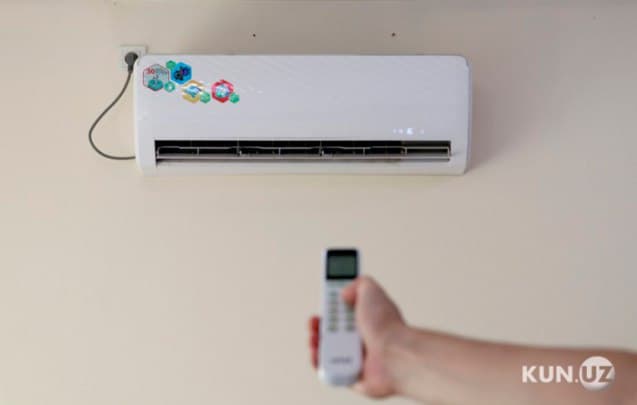
Anti-dumping duties may be applied to imports of household appliances to Uzbekistan. According to Gazeta.uz, this is envisaged in the report No. 118 of the government commission dated December 25, headed by Deputy PM Jamshid Khodjayev.
The Ministry of Economy and Finance, the Tax Committee and the Uzeltekhsanoat association were instructed to develop and submit to the Cabinet of Ministers proposals for the introduction of special customs duties (anti-dumping duties – an average of 10%) on the import of household appliances to Uzbekistan within 2 months, based on foreign experience.
Anti-dumping duty is an additional duty on goods imported at prices lower than the domestic prices of the producing country, that is, using dumping.
With the protocol, the Customs Committee is also instructed to apply a specific rate method for calculating customs fees for the import of electrical engineering and electrical household products, the production of which has been appropriated in the republic (in addition to the basic rate in percentage, the rate is also applied for the quantity, for example, 30% of the price for importing window air conditioners/split-systems (a rate shall apply, but shall not be less than 50 dollars per grain) of this product) is ordered to take control.
Customs authorities, as well as the Technical Regulatory Agency, should take measures to strictly prohibit the free circulation of electrical products found to be non-compliant with regulatory requirements and standards.
At the proposal of Uzeltekhsanoat association, it is planned to introduce the practice of including large enterprises and exporters operating in the field of electrical engineering in the list of “authorized economic operators”.
More benefits for local producers
Against the background of efforts to introduce anti-dumping duty, it is planned to provide more incentives in order to support producers of electrical engineering products in Uzbekistan.
- deduction of marketing research and advertising expenses of local enterprises producing electrical engineering products from the taxable base for profit tax by applying a coefficient of 2;
- covering the costs of major auditors and rating agencies in connection with conducting marketing and audit studies in the field;
- not to incur tax consequences, as an exception, in the event that electrotechnical network enterprises, including service enterprises, perform their services at a value lower than market prices;