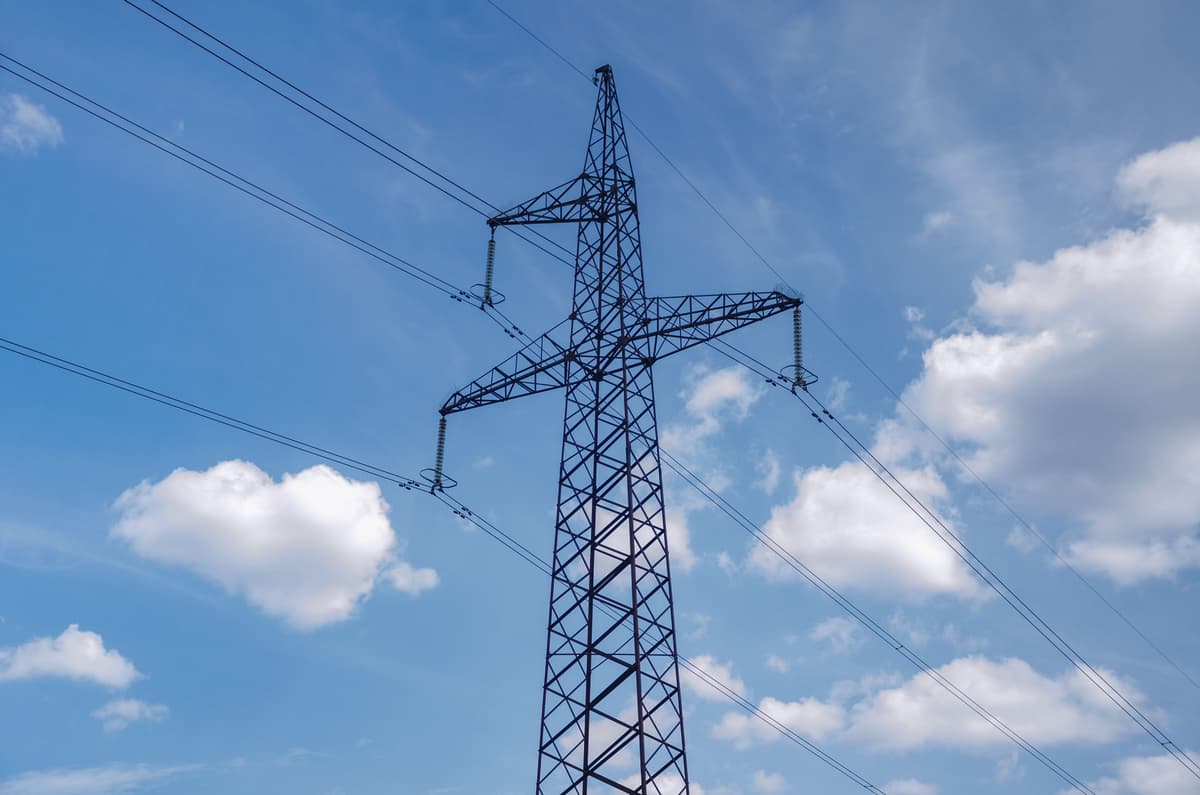
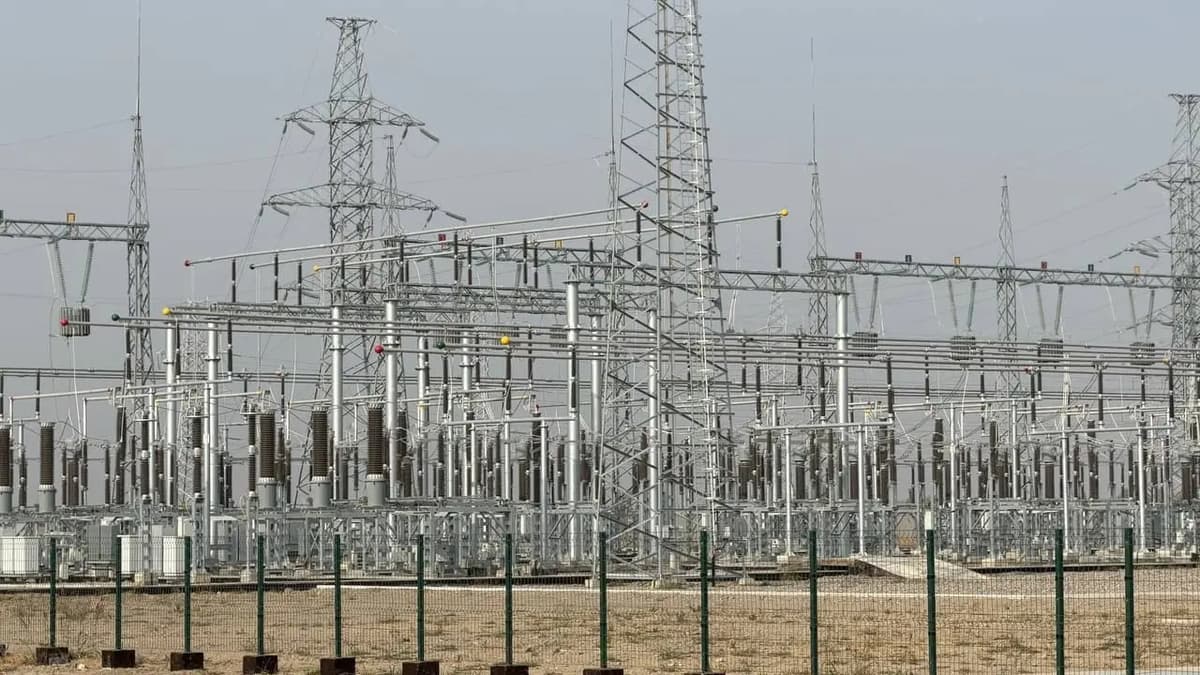
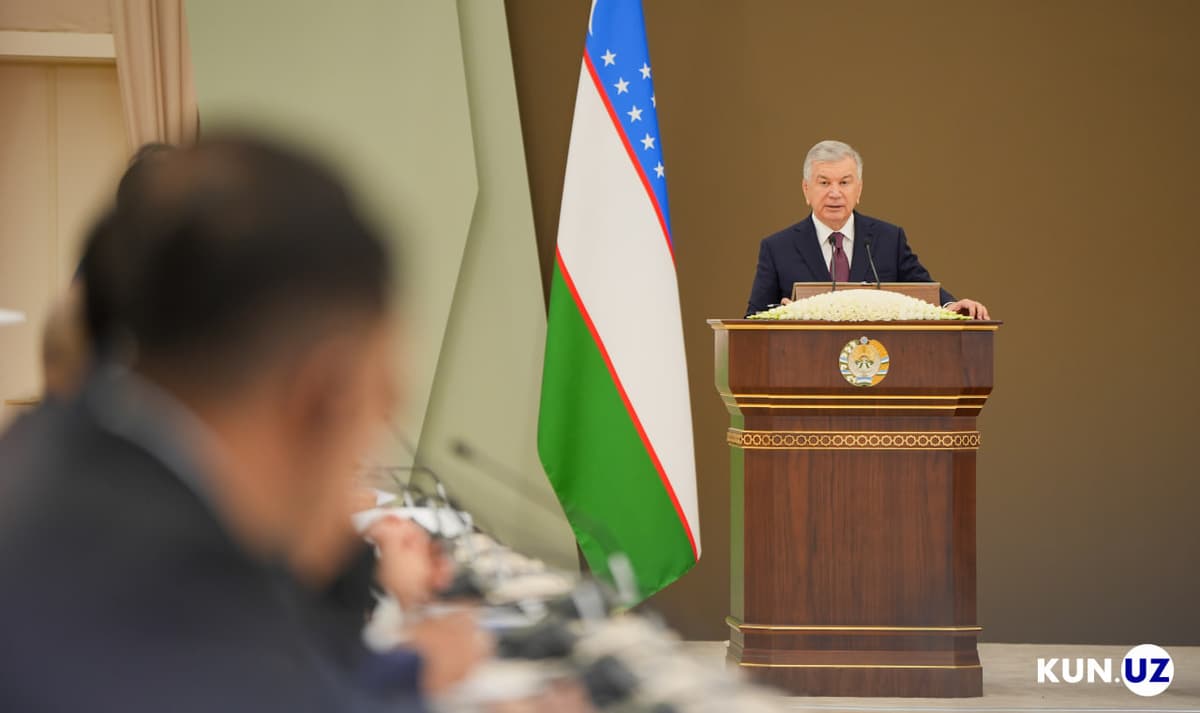
In recent years, the share of green energy in the country's total energy capacity has reached 16%, and this year, the target is to increase it to 26%. To achieve this, 16 large solar and wind power plants with a combined capacity of 3.5 GW, 5 major hydropower plants with a capacity of 160 MW, and 1.8 GW of energy storage capacity will be launched.
The president has also tasked officials with developing additional projects with a combined capacity of 1 GW.
The government will continue to promote the installation of solar panels at state-owned enterprises, industrial and service complexes, and residential buildings. To support these initiatives, loans totaling 2 trillion UZS will be allocated. Based on the successful example of School No. 19 in the Bayavut district of Syrdarya region, the deployment of heat pumps in kindergartens, schools, and hospitals will be expanded.

This year, the goal is to sustain an economic growth rate of at least 6% and increase GDP to over $125 billion. To achieve this, rationality and efficiency have been identified as essential factors.
As part of this effort, Deputy Prime Minister and Minister of Economy and Finance Jamshid Kuchkarov has been tasked with developing a program to reduce costs by 15–20% and increase added value through energy efficiency.
The president emphasized that the time has come to shift to a resource-efficient economic model.
For example, in the electrical engineering, automotive, pharmaceutical, and food industries, the added value per ton of energy consumed is 15–20 times higher than in the chemical, construction, and textile sectors.
The government aims to foster the development of industries with low energy consumption and high added value, while also promoting resource conservation in the aforementioned sectors. An energy audit will be conducted, and energy-saving technologies will be introduced at 400 large enterprises with high energy consumption.
This year, 15% of industrial and infrastructure projects will be environmentally sustainable. By 2027, this figure will rise to 30%, and by 2030, it is expected to reach 55%.