Server Abdurayimov and Aziz Siayev from InfinBANK explained how they develop their own AI solutions instead of relying on external platforms – from an in-house data center and customer-scoring systems to a Telegram bot and even a holographic assistant in a branch.
What has changed
After updating its customer-scoring model, InfinBANK improved prediction accuracy by 10%, while application-processing speed also increased. The system now analyzes data more effectively and makes faster decisions, allowing customers to receive quicker responses and the bank to operate more efficiently.
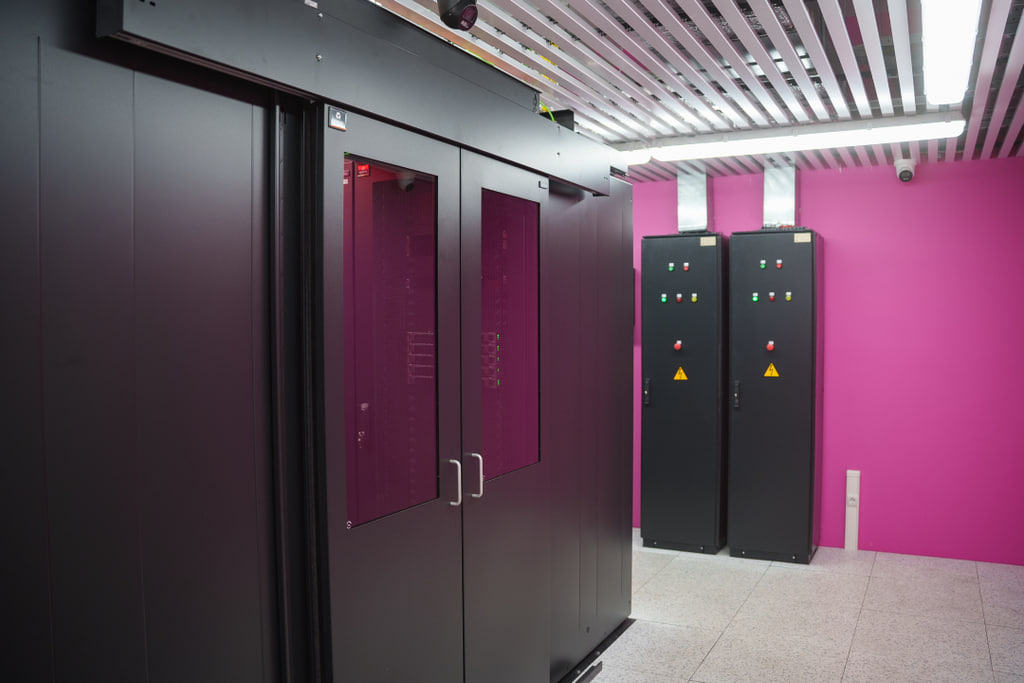
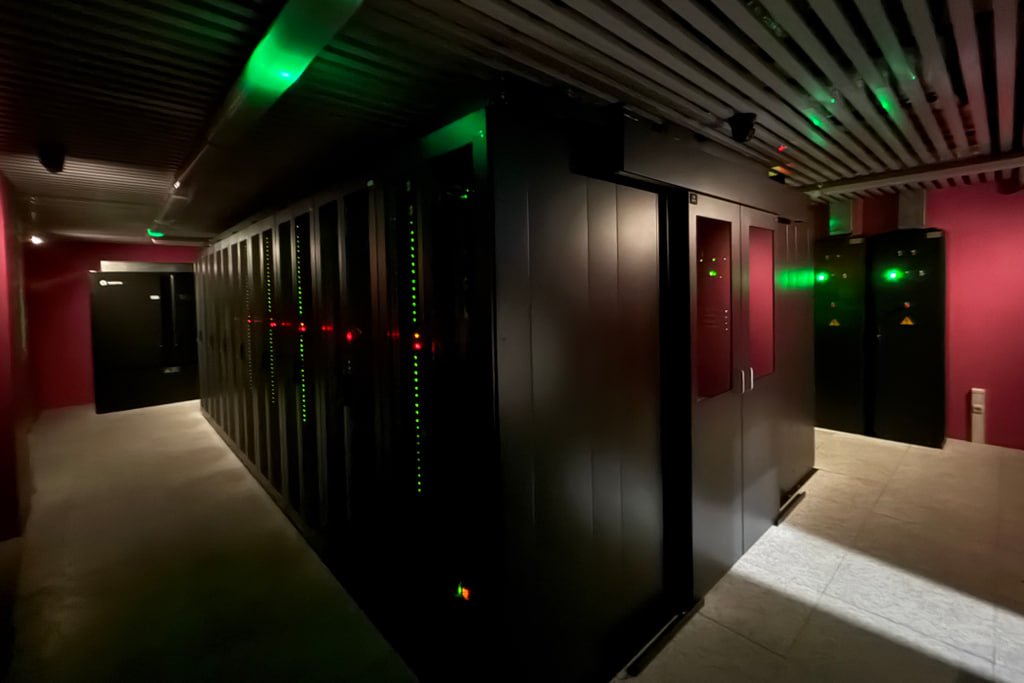
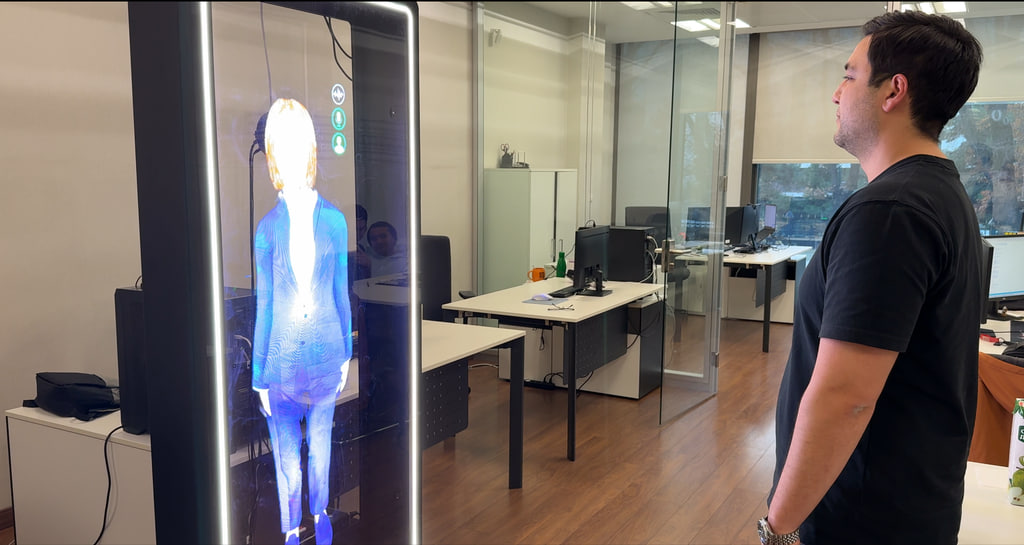
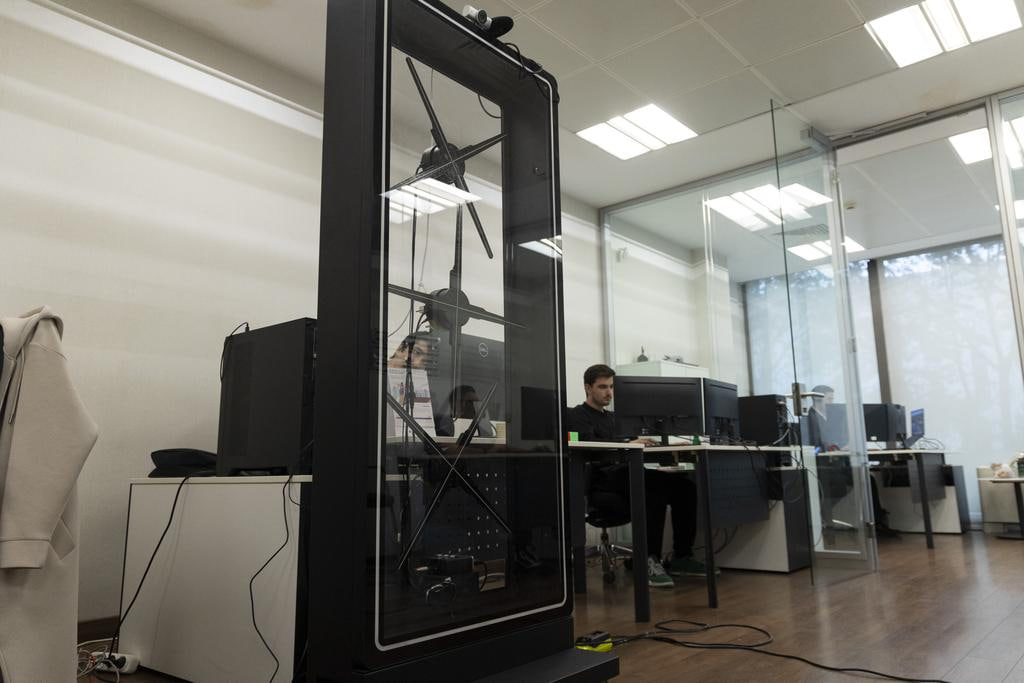
The data center is built on a hyper-converged platform, ensuring independence and scalability: all nodes and channels are fully redundant, and the system can handle peak loads without downtime. The bank’s Telegram bot and virtual assistant serve users in Uzbek and Russian 24/7, gradually reducing the workload on human operators. In branch offices, a holographic avatar helps visitors navigate and access information about banking services.
Why we built everything in-house
In a typical regional bank, customer scoring is handled through third-party services, core systems run on outdated platforms, and chatbots rely on external solutions. This approach poses three major challenges:
- Data exposure. Sensitive customer records sent to external providers create security and compliance risks.
- Limited control over technology. External models function as “black boxes,” making adaptation to local contexts difficult. Price increases or service changes can leave the bank dependent on the provider.
- Scaling difficulties. Rented data centers and cloud services in Uzbekistan often have high latency, and acquiring additional capacity can take months.
In response, InfinBANK decided to rebuild its systems from the ground up: constructing a data center, developing its own scoring systems, designing a microservice architecture, and building a chatbot from scratch. Although this required higher initial investment and complexity, it provided full control over data, architecture, and products.