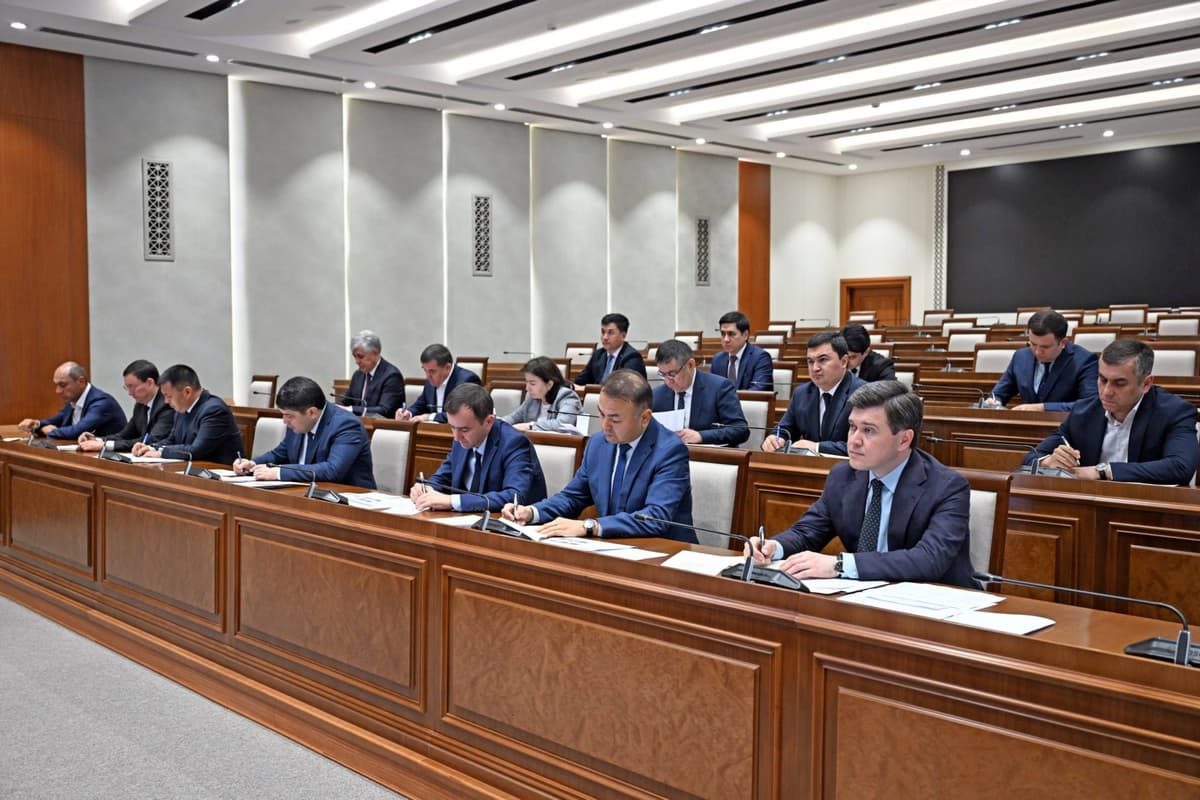
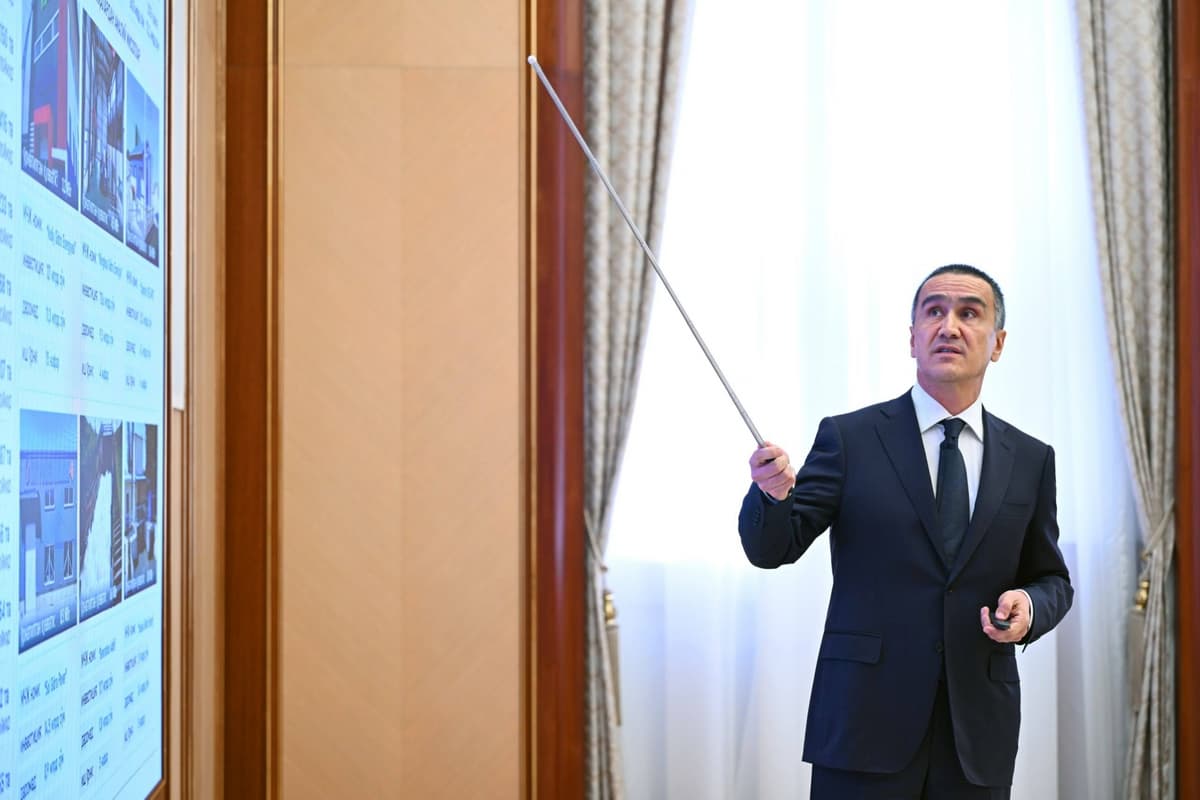
President Shavkat Mirziyoyev reviewed proposals for the next stage of developing the country’s small and micro hydropower network.
Under the proposed measures, developers will be allowed to modify the structures of canals, rivers and waterways to create additional water pressure. Small and micro hydropower plants could also be built without auctions at water management facilities to meet their own electricity needs.
The design and construction of micro hydropower plants with a capacity of up to 100 kW will be carried out under a simplified procedure. Projects with a capacity of up to 50 kW will be fully exempt from urban planning document reviews and state architectural and construction supervision.
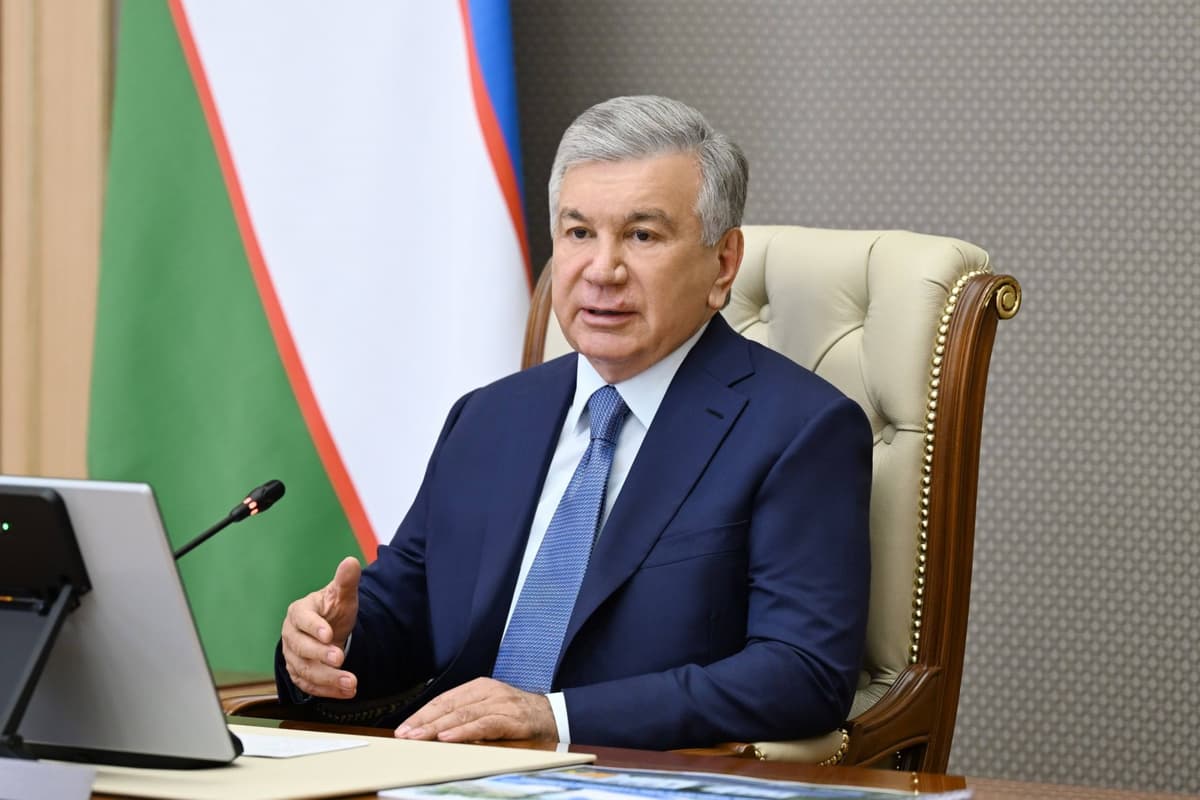
A decision adopted last year envisaged the construction of nearly 3,000 small and micro hydropower plants with a combined capacity of 164 MW with private-sector participation. So far, 64 projects with a total capacity of 41.6 MW have been commissioned – just one-quarter of the planned capacity.
Initiators have been identified for 932 of the nearly 3,000 planned projects. The government also noted that the use of $150 million in concessional financing provided with the participation of the World Bank has been progressing slowly.
New auction and digital mechanisms
To provide businesses with clearer and more predictable conditions, auctions will set both a starting project price and a minimum electricity purchase tariff. Tariffs will be differentiated according to the plant’s capacity.
The mechanism is intended to address projects won at a zero price that were subsequently left unimplemented.