The document was approved by the Committee for Industrial, Radiation and Nuclear Safety under the Cabinet of Ministers and registered by the Ministry of Justice. The committee is the government body responsible for state policy and oversight in the fields of industrial, radiation and nuclear safety.

The procedure applies to the siting, design, construction and operation stages of nuclear power plants. It sets out the conditions for declaring emergency modes, radiation criteria for each level, procedures for transmitting operational information and requirements for organizing emergency assistance.

Two levels of emergency

The first level, “Emergency preparedness”, will be introduced when established limits or conditions for the safe operation of a nuclear power plant are breached and the ionizing radiation dose rate simultaneously reaches the threshold set for this emergency level.

It may also be declared when safety-related systems or safe operating conditions are disrupted by external natural or man-made events, including earthquakes, explosions, fires or flooding at the plant.

The radiation criteria for the “Emergency preparedness” level are set at 10 microsieverts per hour in controlled-area premises where personnel are permanently present, 2.5 microsieverts per hour at the plant site and within the sanitary protection zone, and 0.1 microsieverts per hour above the natural background radiation level in the observation zone.

The more serious “Emergency situation” level will be declared when the ionizing radiation dose rate reaches or exceeds 600 microsieverts per hour in controlled-area premises with permanent personnel, 200 microsieverts per hour at the plant site and within the sanitary protection zone, and 20 microsieverts per hour in the observation zone.

This emergency level may also be introduced when a decision is made to activate guidelines for the management of severe accidents.

The head of the operating organization will be responsible for declaring an emergency mode. If the head is absent or cannot be contacted, the decision will be made by the nuclear power plant's shift supervisor.

Authorities to receive updates every 12 hours

Once an emergency mode is declared, the shift supervisor must immediately provide initial information to the relevant authorities responsible for emergency prevention and response and radiation monitoring.

The initial report must include the causes and circumstances of the incident, the condition of the nuclear power plant and its potential impact on personnel, the public and the environment.

Until the emergency mode is lifted, the operating organization must update the relevant authorities every 12 hours on the radiation situation at the plant and surrounding areas, the facility's safety status, the development of the accident and the measures being taken.

Emergency teams and annual drills required

Nuclear power plants will be required to establish a scientific and technical support group, an emergency assistance group, as well as internal and external emergency management centers.

The internal center will be located in a protected facility on the plant site, while the external center will be situated in a safe location outside it. The latter must be capable of coordinating the emergency response if using the internal center becomes impossible or unsafe.

The necessary equipment and materials for responding to a radiation accident must be prepared before the first nuclear fuel is delivered to the plant. Personnel and other people temporarily present at the plant site and within the sanitary protection zone must also receive advance instructions on what to do after an emergency alert is issued.

Emergency drills involving the emergency assistance group and equipment intended to prevent an accident from escalating and mitigate its consequences must be conducted at least once a year.

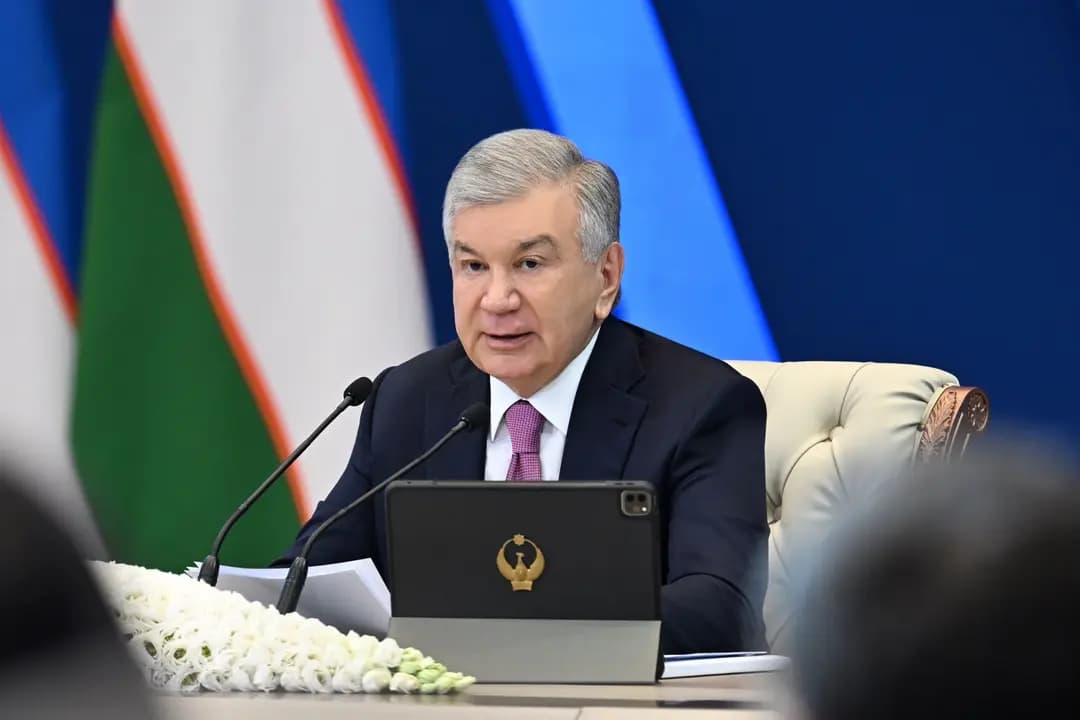
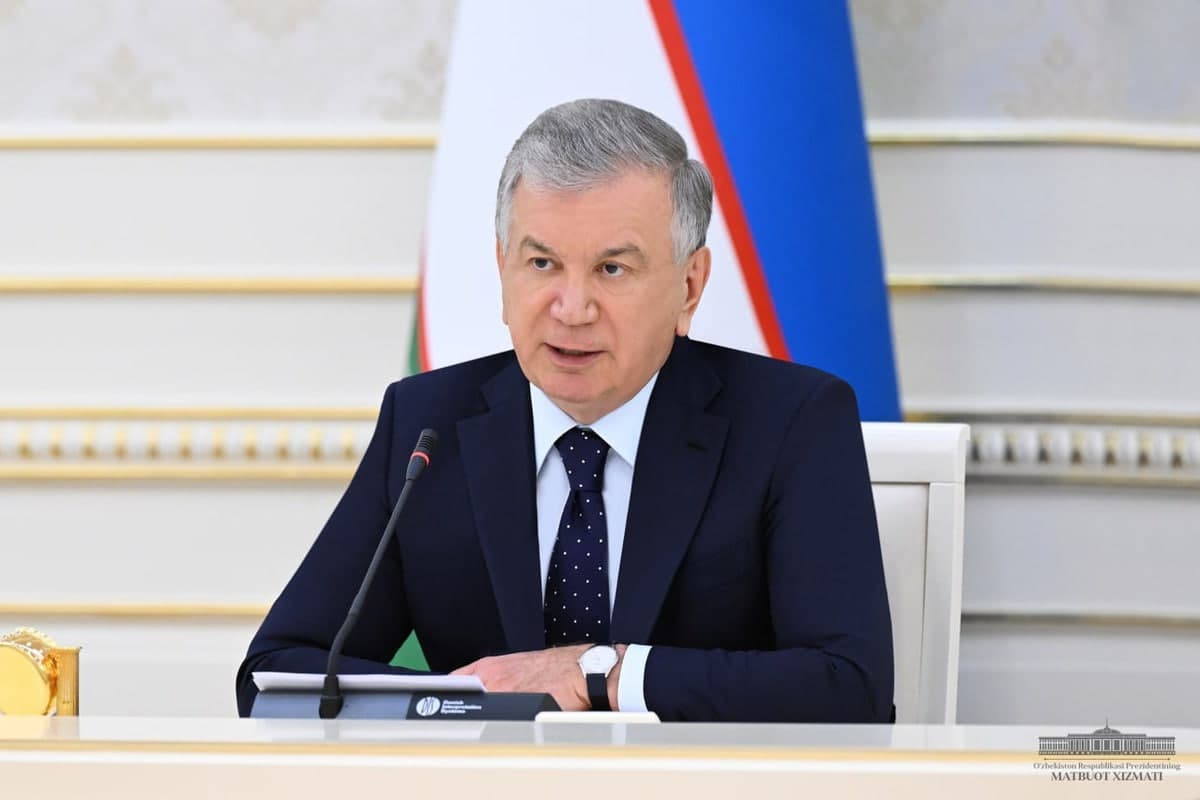
The new procedure comes as Uzbekistan moves ahead with its first nuclear power project. In June, President Shavkat Mirziyoyev and Russian President Vladimir Putin launched construction of the first power unit of an integrated nuclear power plant in Uzbekistan via video conference. The project is being developed under the supervision of the International Atomic Energy Agency and in line with international safety standards, according to Uzbekistan's presidential administration.

During a recent visit to Khorezm region, Mirziyoyev also announced preparations for the construction of a second nuclear power plant in the country.