





Additional features
-
Night mode

Life in China: how to start over and study in Shenzhen
Travelling to China has become easier for Uzbek citizens – a 30-day visa-free regime has been in effect since 1 June 2025.

But even before that, many students dreamed of going to a country known for its technology and rigorous universities. Now that the borders are open, interest in Chinese education is growing, and young people are increasingly choosing Shenzhen or Beijing over Seoul and Istanbul.
Safina Mannopova, a student from Tashkent, enrolled in a Chinese university after her first year in Uzbekistan. She shares her experience: how the admission process went, life on campus, and how much money a student needs in China.


How the decision came about
After graduating from school, I enrolled at Bucheon University in Tashkent, in the multimedia and game content department. The year of study passed quietly, but over time I felt that I was missing a challenge. Everything was too familiar and predictable, and I wanted something more: a new environment, independence and responsibility.
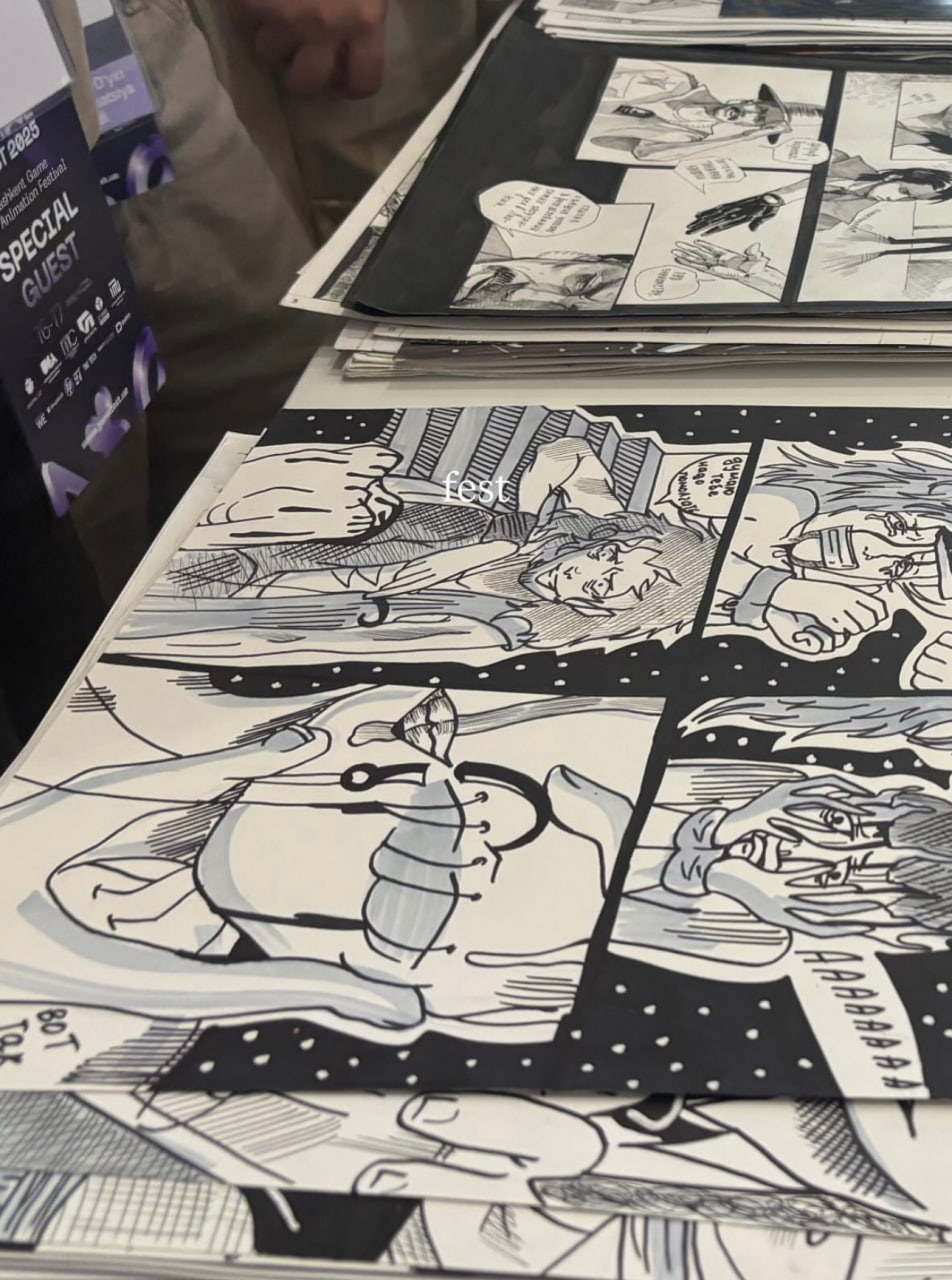
Earlier, I had the opportunity to enrol at two American universities - Colorado University and Creighton University - but I declined. America always seemed distant, too noisy and unsafe. I wanted to study in a place where there was a sense of order, respect for work and safety.
In the spring, after long discussions with my parents, we decided that I would give it a try and enrol abroad, even though I had already completed my first year in Tashkent.
Why China?
China has long been a source of interest for me. Back in school, I chose between Japanese and Chinese, as I was always drawn to Asia.
My maths teacher, who had once lived in China, often spoke about the local people: their hard work, openness and ability to respect others. That was when I first realised that China is not only about economics and technology, but also a special philosophy of life.
When it came time to make a decision, my parents had doubts, but my mother insisted:
‘You have to grow up and learn to make your own decisions. Go.’
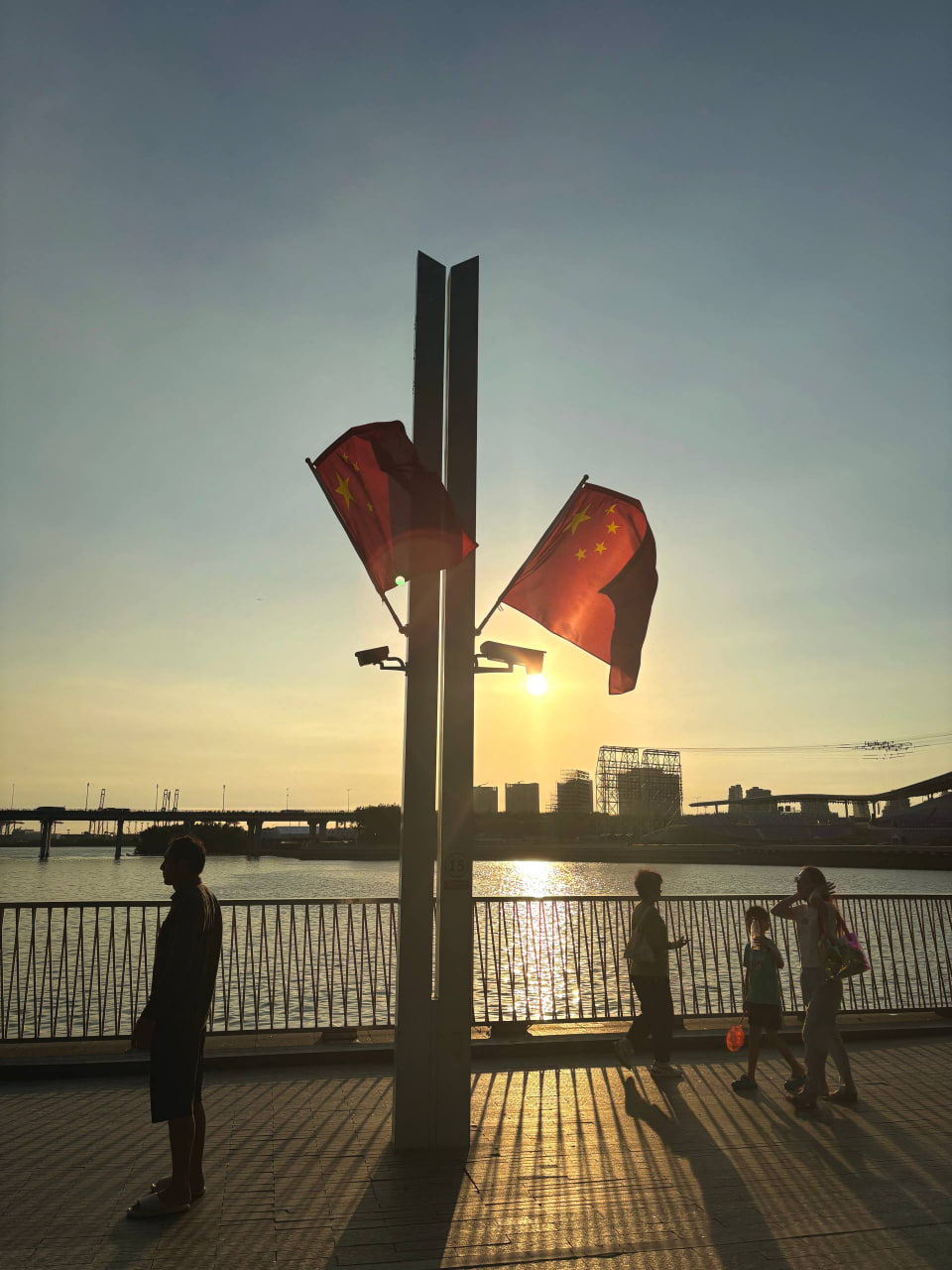
That phrase was the deciding factor for me. Besides, China is considered one of the safest countries. There are strict rules, cameras everywhere, and a high level of public control. Even late at night, you can walk down the street without worrying about your safety.
How the admission process went
The process took several months and required attention to every detail. The following documents were required for application:
- IELTS certificate with a score of at least 6.0;
- notarised translations of school certificate, passport and medical certificate;
- documents confirming participation in academic competitions and extracurricular activities.
Tip: It is better if you have at least a basic level of Chinese.
A month after submitting my application, I had to take an entrance exam in mathematics and physics. I chose Harbin Institute of Technology (Shenzhen campus), one of the country's leading technical universities. My field of study is Computer Science and Technology: I wanted to study IT in more depth, with an engineering focus, rather than just applied programming.
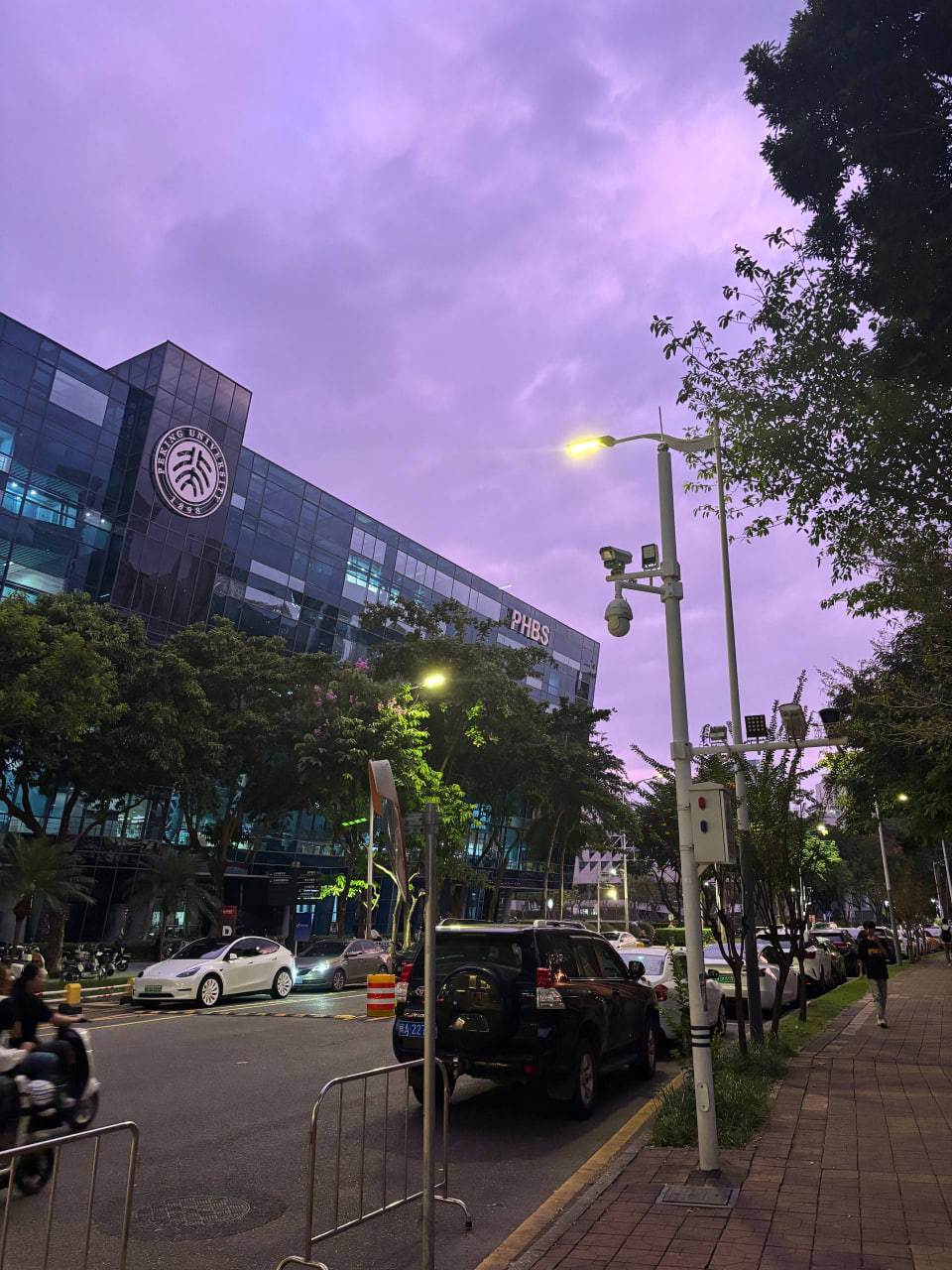
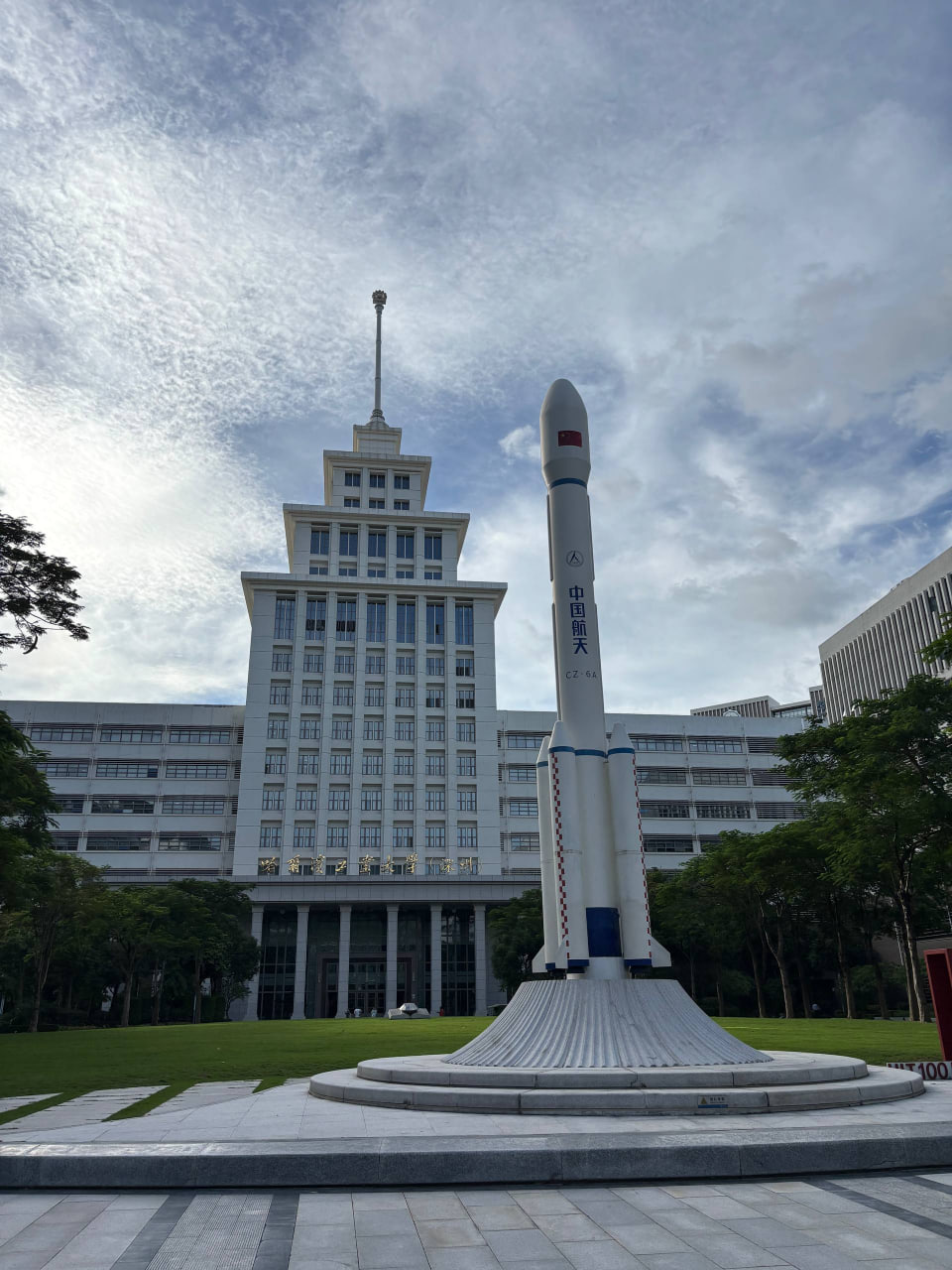
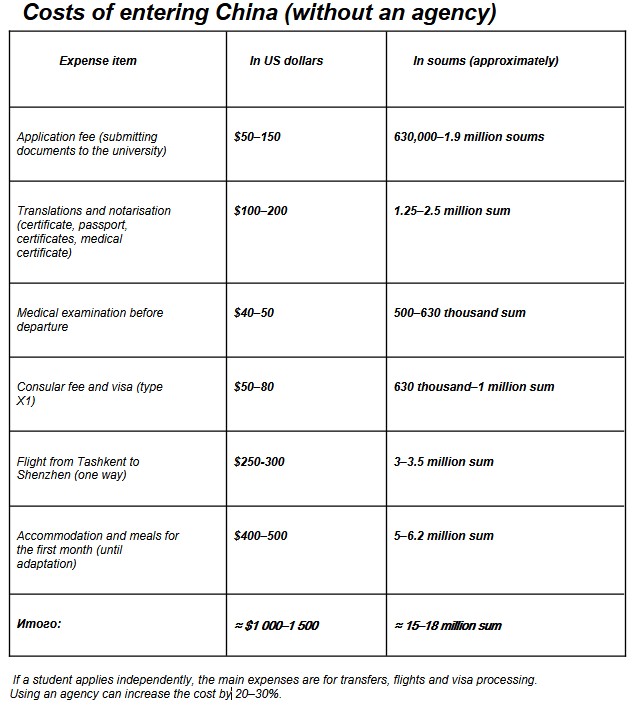
Submitting the documents was not cheap, but the agency took care of everything. I just waited and translated the documents. It cost much more than we expected, including notary services and agency fees.
After the exam, all that was left was to wait for the results. I didn't expect much, as China has always been associated with high competition, and after a year and a half break from studying mathematics, I doubted that I would succeed. But the results came, and it turned out that I had passed. I was approved for a grant that covers about 70% of the tuition fees, and I pay the rest myself.
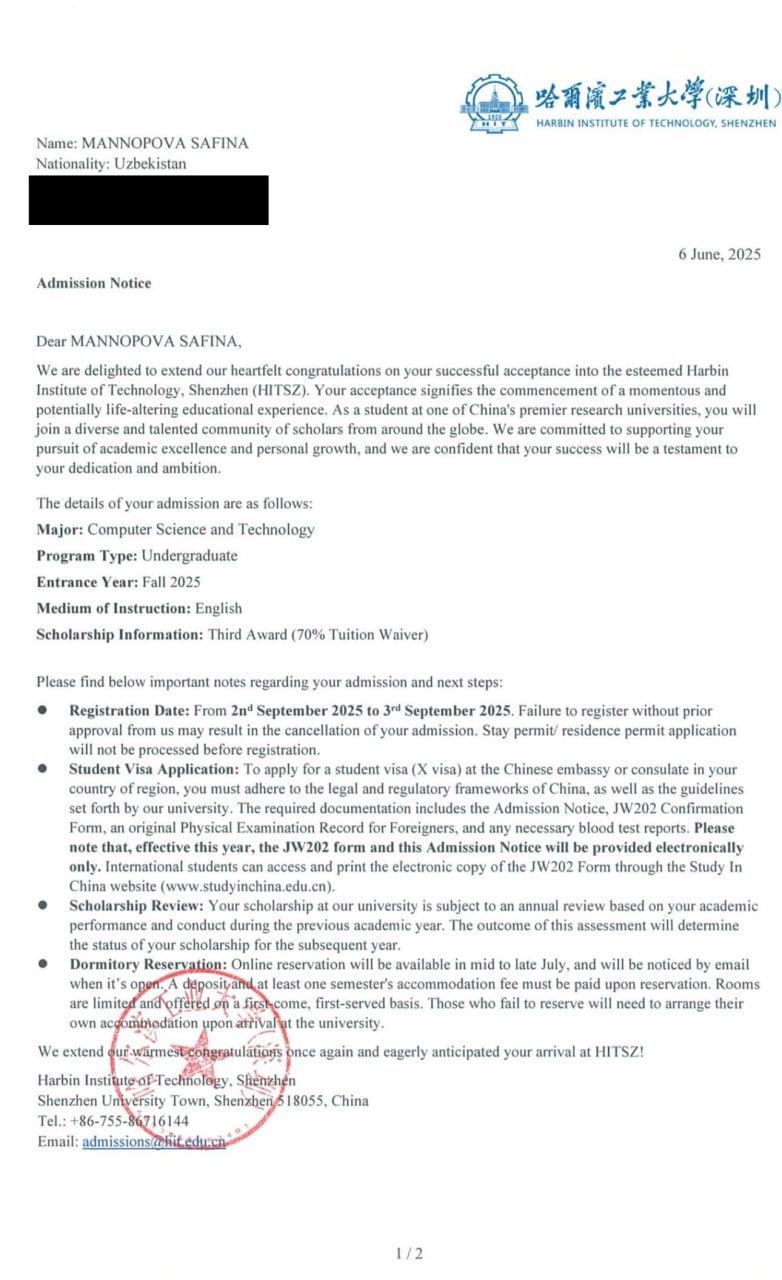
The full cost of tuition at the university is 26,000 yuan per year (approximately $3,600). I am studying on a grant that covers 70%, so I only pay 30% of the amount - about 7,800 yuan per year ($1,092).
In China, foreign students are most often offered three levels of scholarships:
- Full Scholarship - covers tuition, accommodation, medical insurance and a monthly stipend of 2,500-3,000 yuan;
- Partial Scholarship - covers part of the tuition fees (usually 50-70%), with the student paying the rest;
- University Grant - awarded for high IELTS or HSK scores, active participation in competitions, volunteer projects and academic achievements.
In my case, I received a grant thanks to my good exam results and participation in additional activities. They really value students who show initiative and strive to develop not only in their studies but also outside of them.
Candidates with high HSK scores (level 4 and above) and an average IELTS score of 6.0 or higher have a better chance of receiving a partial or full scholarship. Academic performance in the first year of study is also taken into account, and the grant can be renewed if you maintain a high grade point average and actively participate in university life.
The first days and adaptation
Immediately after arriving in China, I realised that the climate was completely different. From Beijing to Shenzhen, the heat doubled, and it was impossible without a fan.

The food smelled different, too spicy, and it was a real culture shock. Even just walking down the street was unusual at first: it was too hot, noisy, and everywhere there were strong smells of Chinese cuisine.
I think the most unexpected thing was not the climate, but how different everything is organised. Even payment is a world apart. Everything is done through WeChat and Alipay. Taxis, food, shopping, everything is on your phone. In Tashkent, we need several different apps for this, but here everything is in one.
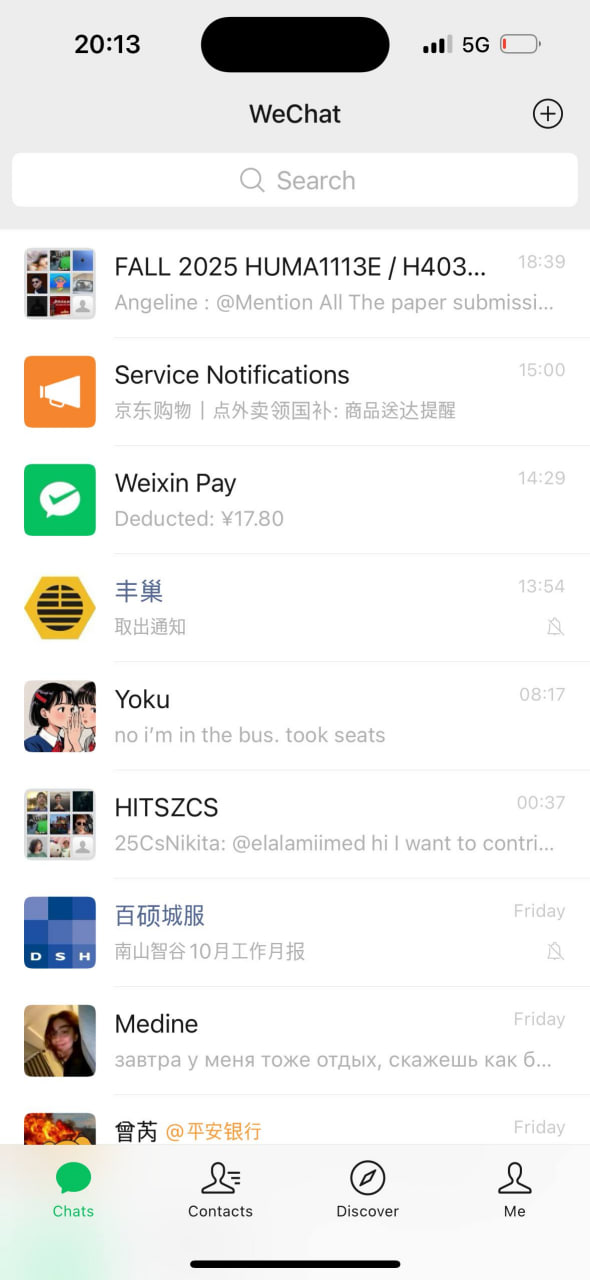
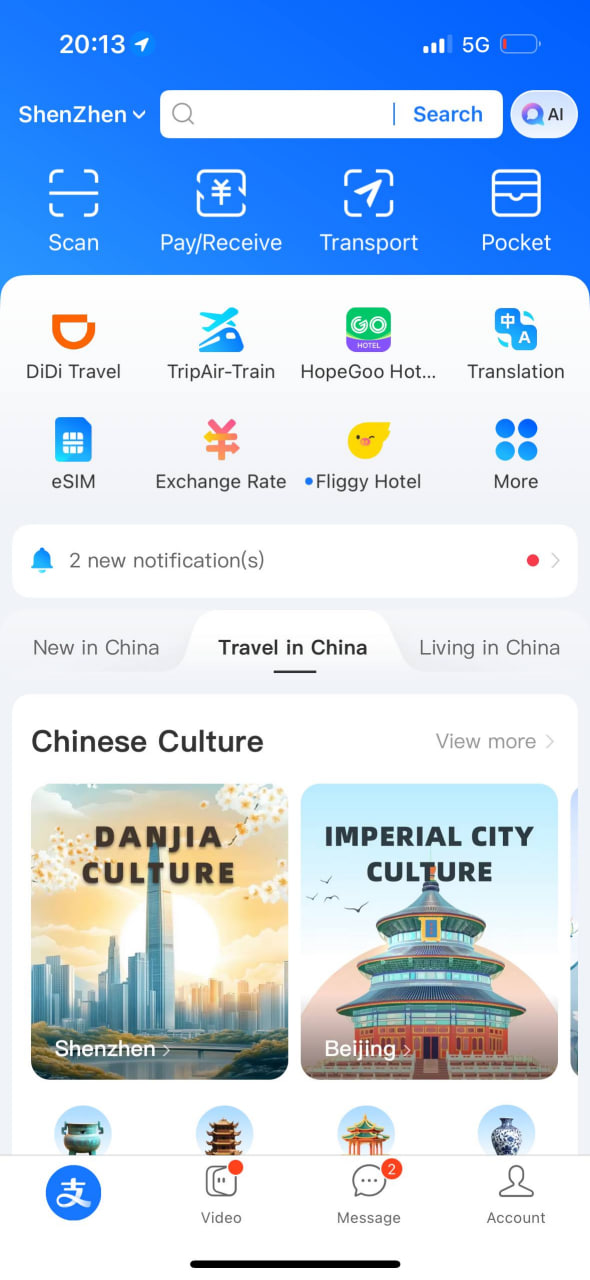
Immediately after landing, we were given SIM cards and transport cards and shown how to use mobile apps. Public transport is free for students. No one pays with cash, so it is important to connect to Chinese services right away. Even in cafes, orders are placed via a QR code - you scan it on the table, choose a dish and pay online. The most difficult thing turned out to be not the food or the heat, but payment. When I had to pay 30% for my studies, my card didn't work. They only accept WeChat Pay and Alipay, and my Visa card wouldn't connect. I panicked, everyone else was already getting on the bus, and I was standing there with my phone, not knowing what to do.
Another student helped me out, paying from his account, and I transferred the money back to him later. That's when I realised for the first time how much everything depends on digital services.
Without WeChat and Alipay, you cannot exist: cash is hardly accepted anywhere, and QR codes are the key to any service, from buying coffee to travelling by bus.
The first few days were spent getting used to this pace: everything is digital, automated, no cash registers, no familiar terminals. It seemed complicated, but after a few days it became convenient. It helped that there were many students from CIS countries nearby — from the first day, we stuck together, shared our experiences and helped each other figure out what worked and how. Now I understand that this is part of the technological advancement that everyone talks about.
Studying and teachers
My major is Computer Science and Technology. I used to study multimedia and game design, but I decided that I wanted to understand more about the technical side, not just the content, but the systems and logic behind it. From the very first days, it became clear that studying here is serious business.
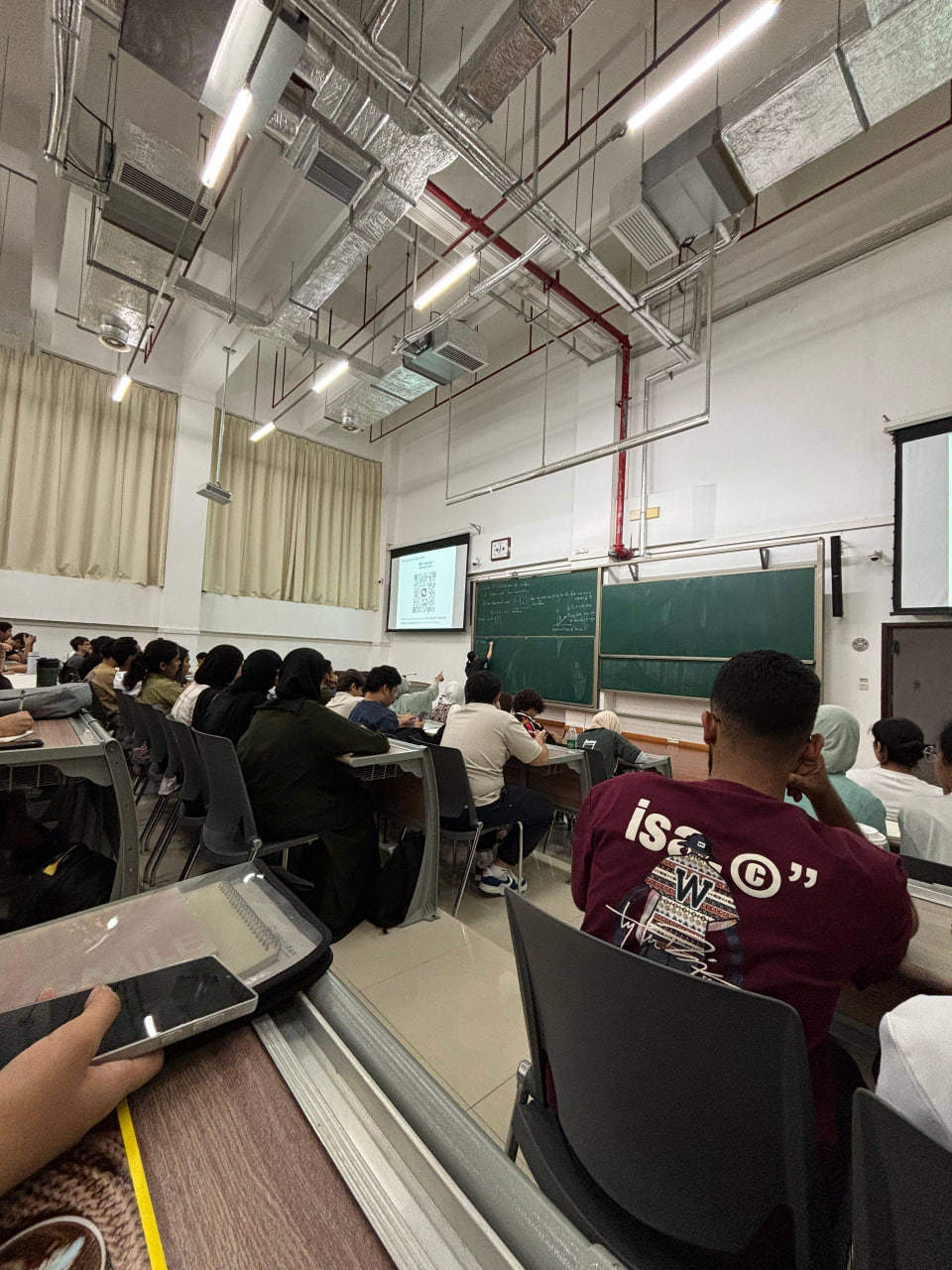
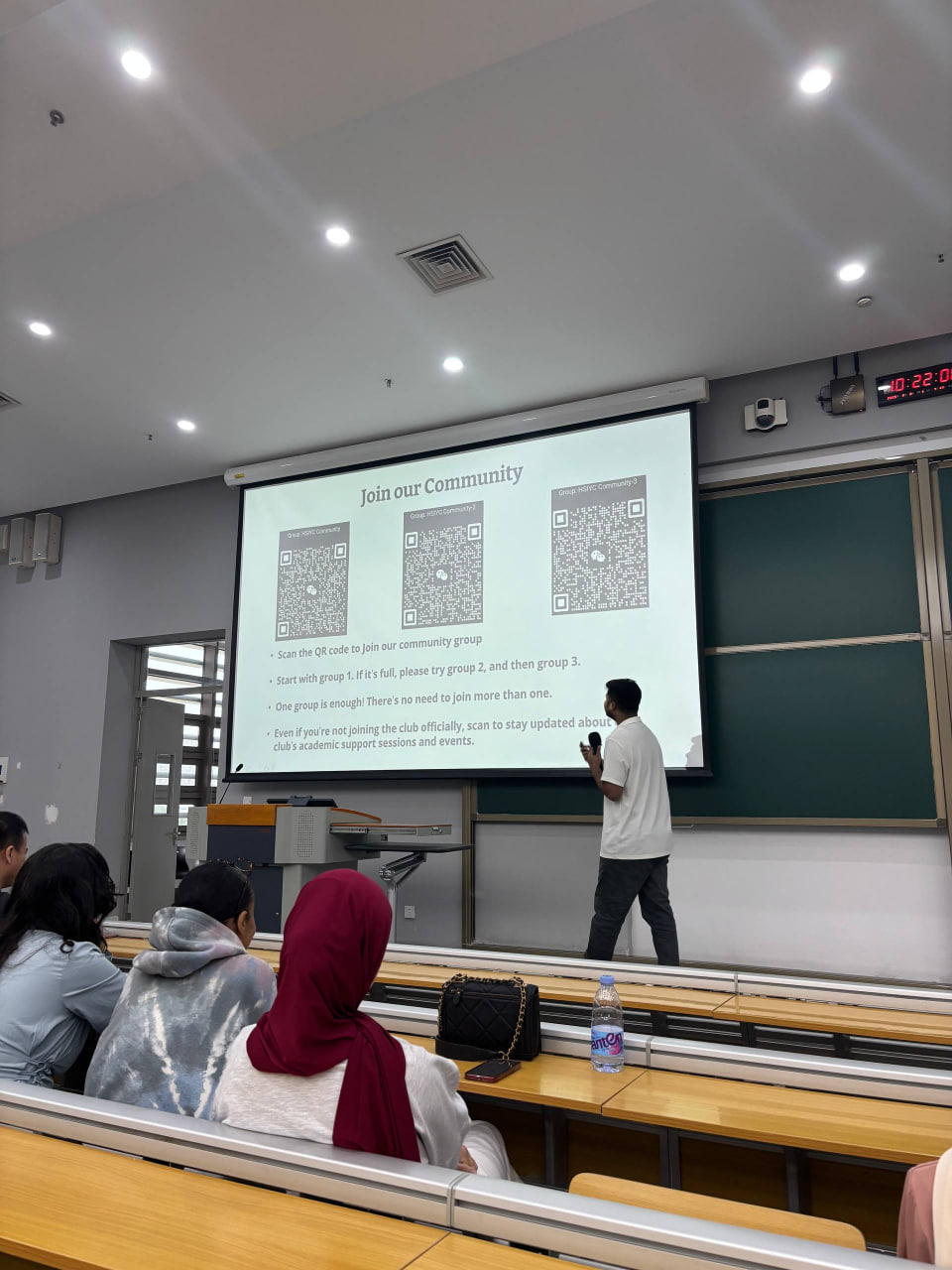
The teachers said right away: we won't cut you any slack. If you don't pass, it means you're not ready. Here, everyone is on their own.
Classes are held in a lecture format, and you have to be as focused as possible in each one. The teacher explains the material once, and then it's up to you. Every two weeks, we hand in all our homework, and this determines whether we are allowed to take the exams. In addition to the core subjects, we have Chinese language and the history of China's technological modernisation. For these subjects, we are often taken on excursions to companies, laboratories and technology parks. These are not just introductory visits: students can do internships there or participate in joint projects.
Teachers treat foreign students with respect, but without leniency.
We study separately from Chinese groups, and from the very beginning we were reminded that everyone is responsible for themselves.
So far, the workload is manageable, but senior students warn us that it will get harder, with more project assignments, teamwork and exams. It is important not just to know the theory, but to be able to apply it to real-life tasks. The university offers dozens of activities, from sports to creativity and technology.
There are cooking clubs, an orchestra, a choir, and music sections where you can play any instrument. For those who are more into IT, there are programming and robotics clubs, and for culture lovers, there is even a cosplay section.
Everything at the university is designed for the comfort of students: huge sports halls, a swimming pool, volleyball and basketball courts. Everything is free for students; you just need to sign up via the app.
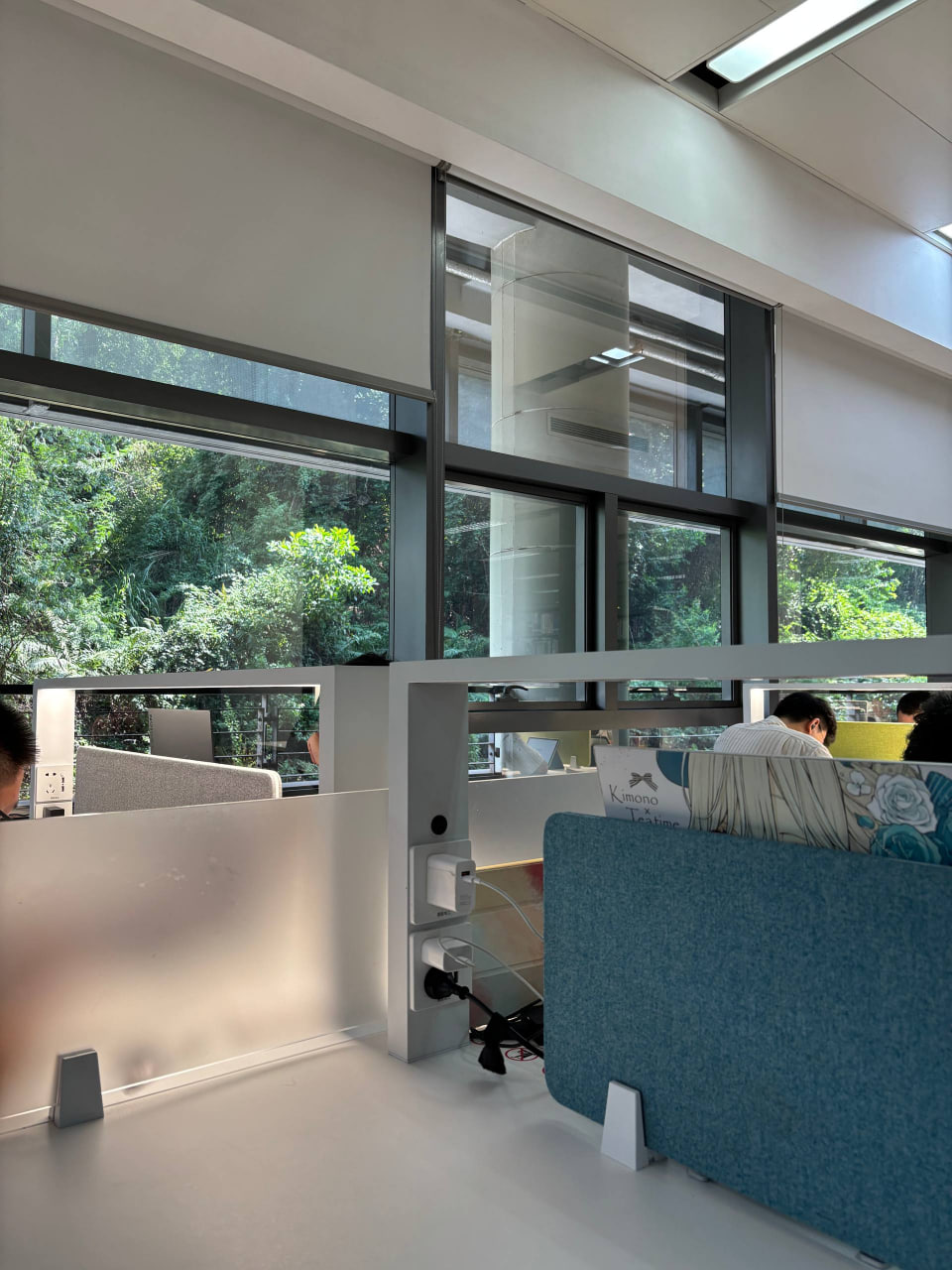
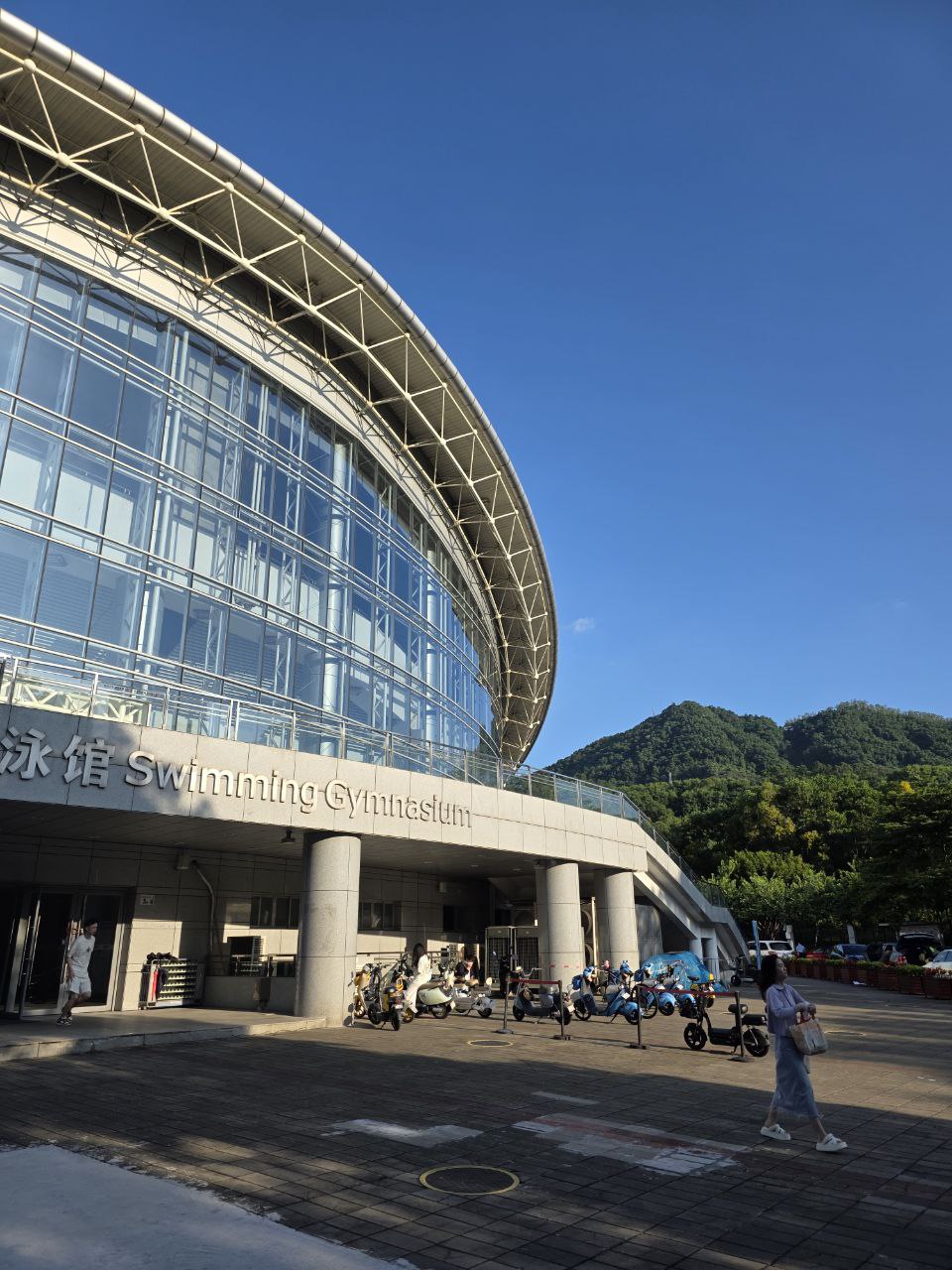
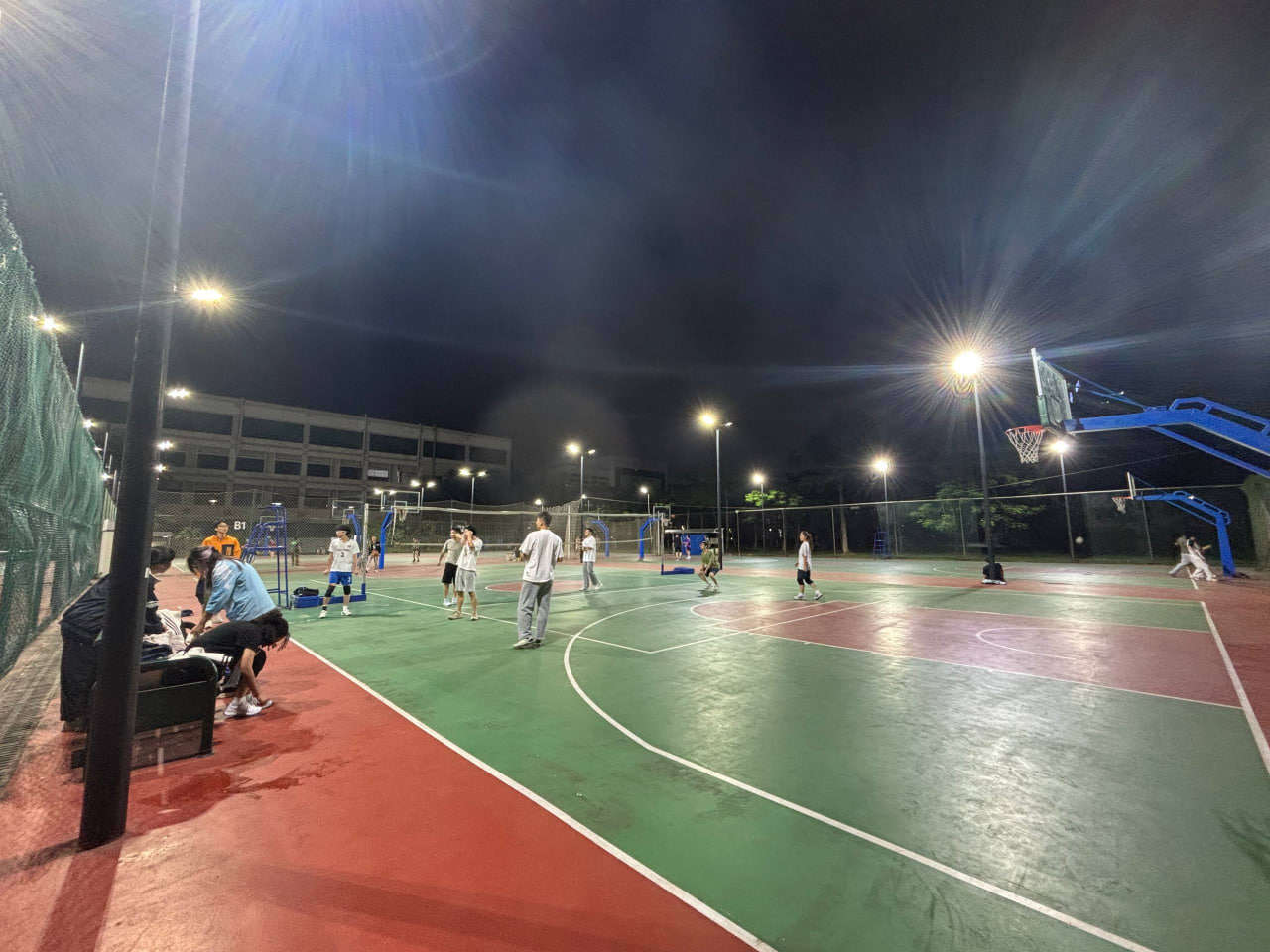
In such spaces, it is easy to meet other students, practise your language skills and simply take a break from your studies.
Life on campus
A month before the start of the academic year, the university offered us a choice of halls of residence. I opted for a triple room, further away from the main buildings, where it is quieter, the refurbishment is good and the view from the 8th floor is beautiful.
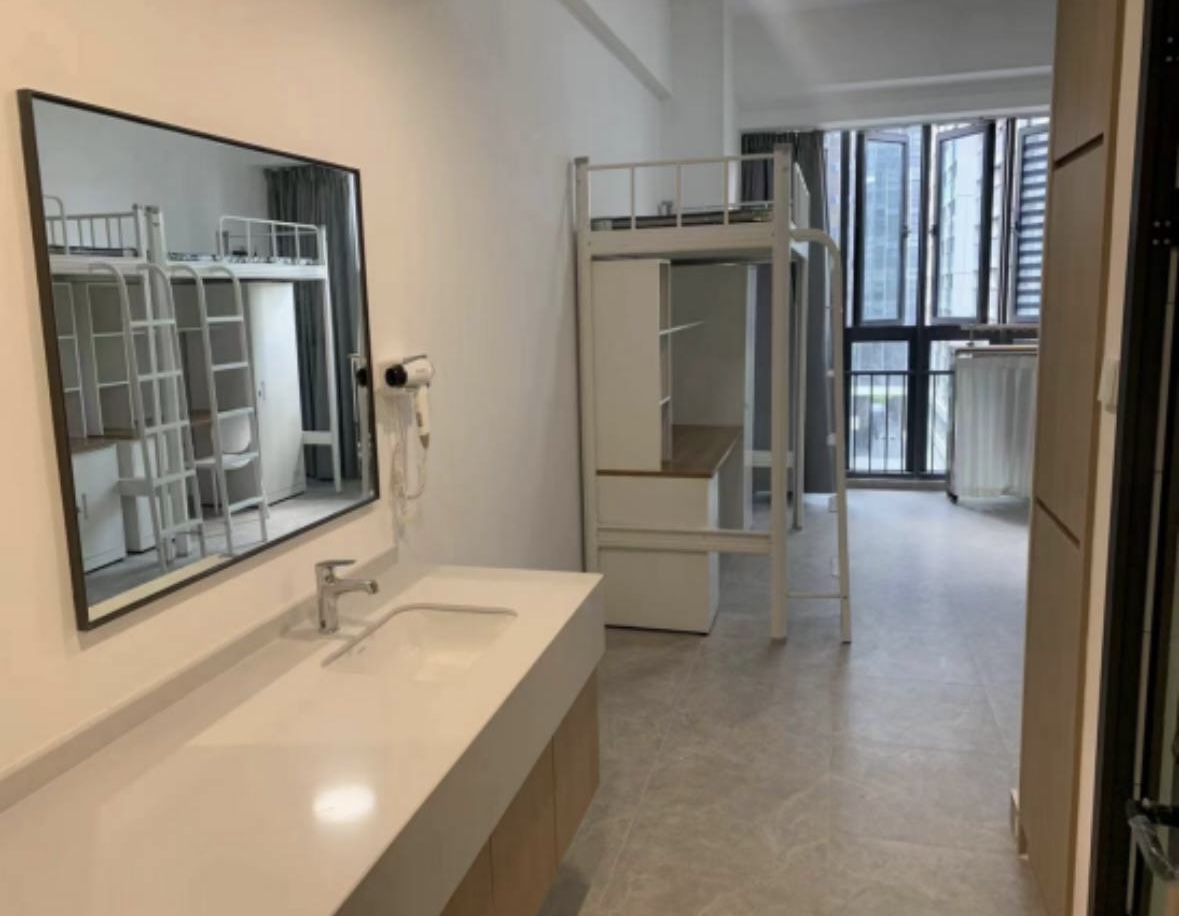
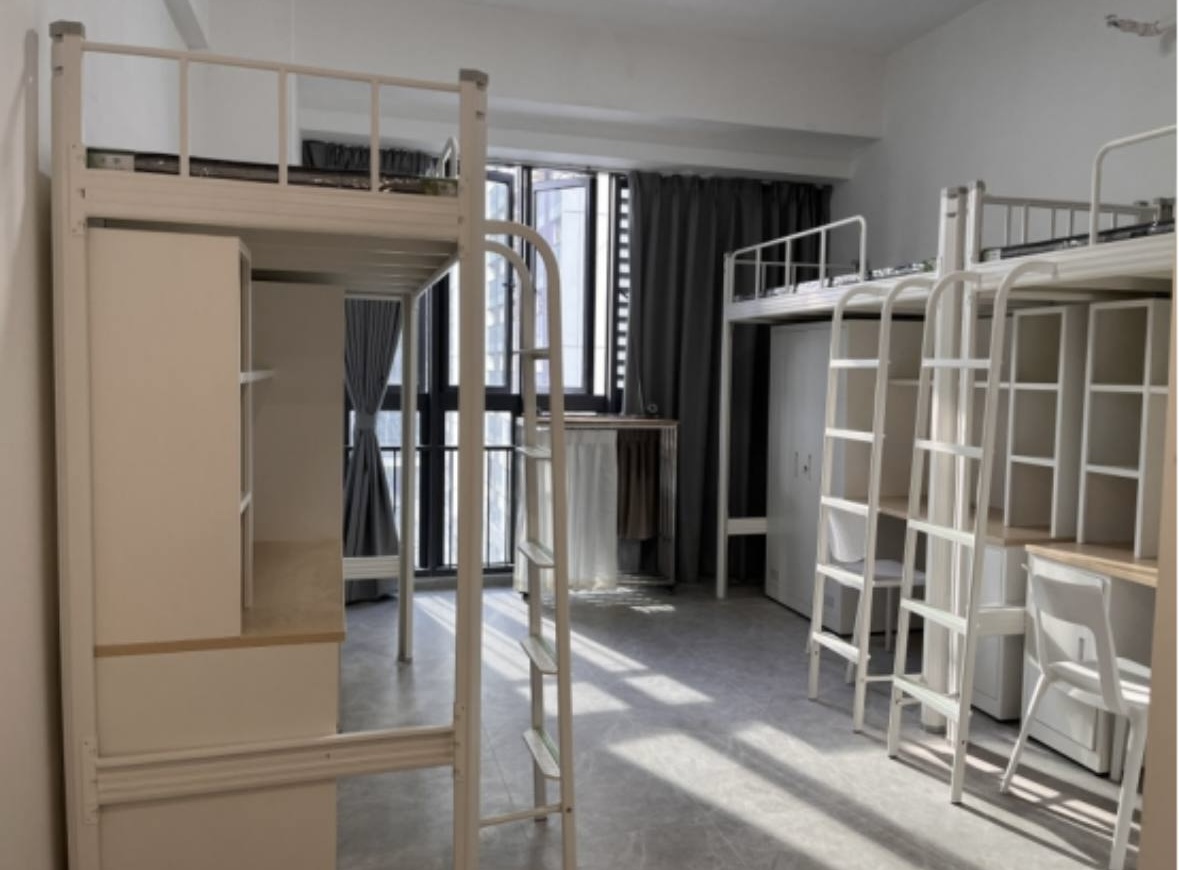
I pay 500 yuan per semester. That's about $70. The room is cosy, and there are Uyghur cafes, a shop and a pharmacy nearby.
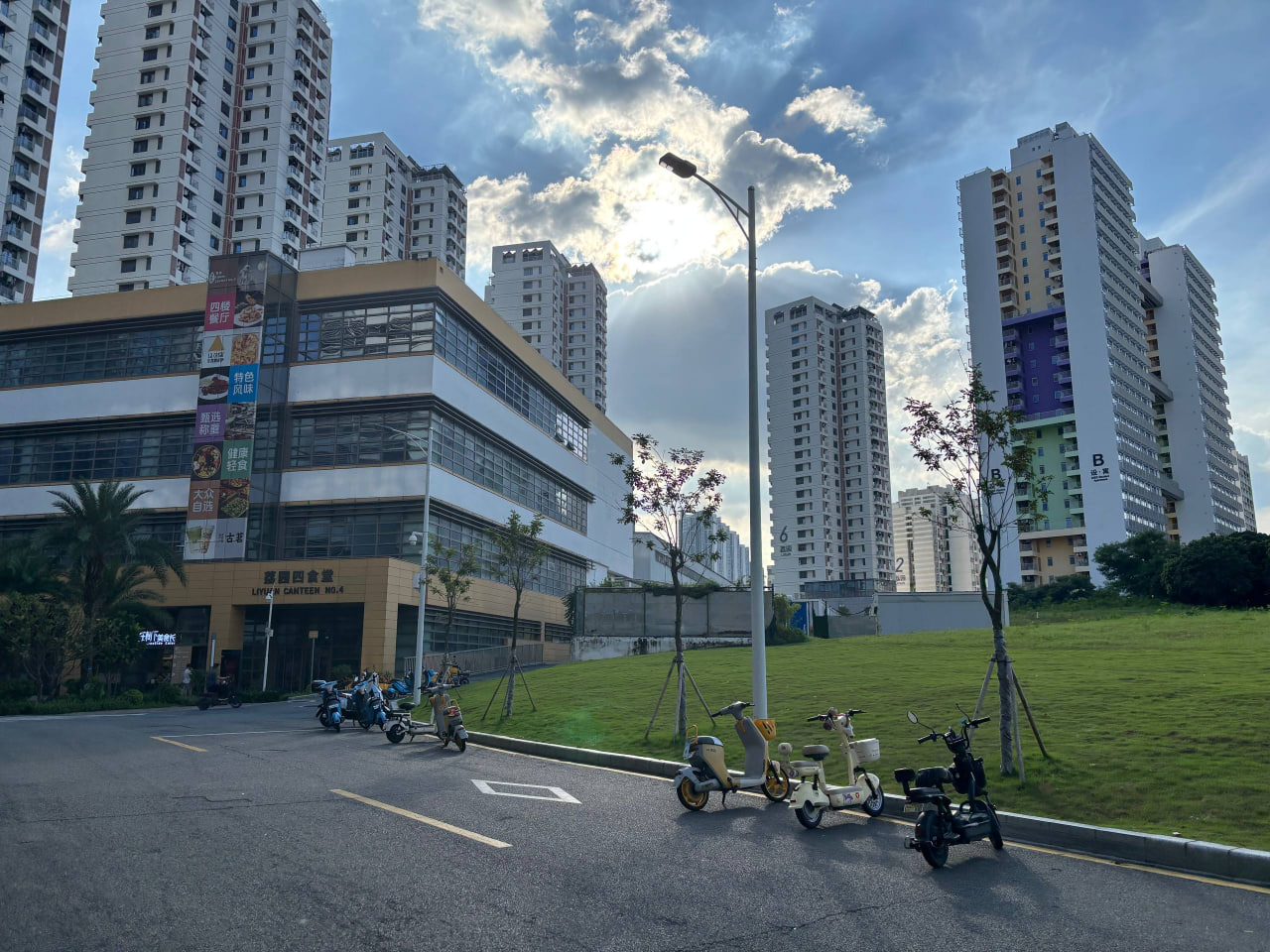
Utility bills are paid differently each time, depending on how much you use. It's not that expensive if you don't use the air conditioning. Each room has a card for hot water, which you tap on the terminal, and usage is charged by the second.
Daily life and payments
Everything in the country revolves around QR codes, from buying coffee to paying for the underground. Even small cafés don't have cash registers: there is a QR code on each table, you scan it, choose your meal, pay, and in a few minutes your order is on the table.
Cash is hardly ever used, so it is impossible to live without WeChat Pay or Alipay. You can do everything through WeChat, from calling a taxi to delivering groceries. If I am too lazy to go to the shop, I just order through the app, and the courier arrives within an hour and leaves the food in the lobby. Each delivery is photographed so that nothing gets mixed up.
There are several canteens and cafes on campus: Chinese, Uyghur and European. Cooking in the dormitory is prohibited: you cannot use hotplates or electrical appliances, so most students eat in the university cafes.

Everything is ordered online, using the same QR code and payment via phone. Chinese cuisine is diverse, but it's not easy to get used to it. I still eat food that is closer to our cuisine: lagman, pelmeni, duck with dough. Sometimes I order burgers or salads from European cafes.

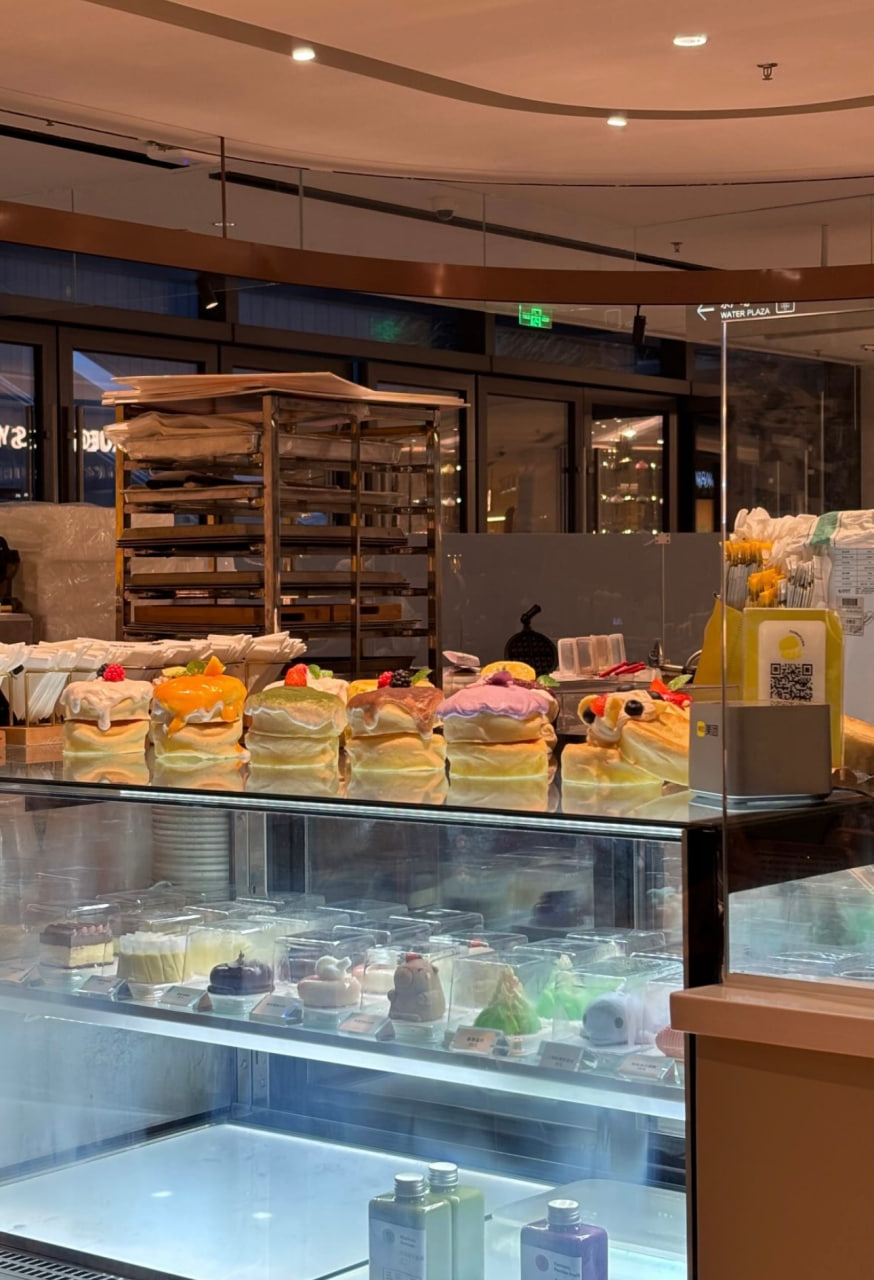
Food costs about $250–300 per month, but you can get a full meal for 10–15 yuan ($1.5–2) at the campus cafeterias. The most expensive things are delivery and cafés outside the university.
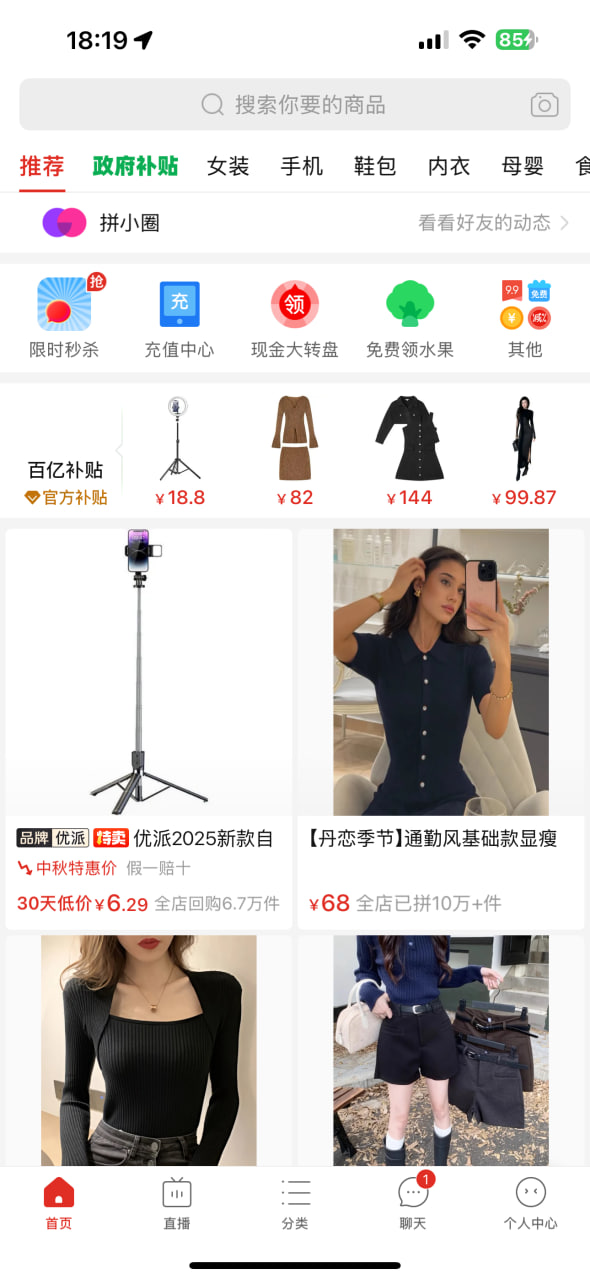
I also order almost all the little things I need, such as clothes, electronics, and stationery, through Pinduoduo. This costs me a maximum of $100–150 per month. Prices on marketplaces are lower than in offline stores, so most students buy everything online.
Health and safety
Before starting their studies, all international students must take out medical insurance, without which they cannot obtain a student card. This insurance covers basic visits to the university clinic and emergency care. Serious examinations or treatment in private centres are paid for separately, but their cost for students is low.
I have not yet visited a doctor, but I know that there is a clinic on campus for students. If necessary, you can make an appointment with a doctor online or come without queuing during office hours.
China pays great attention to safety, and this is evident from the very first days.
There are cameras everywhere on and off campus, from the entrance to the dormitory to the nearest streets. Everything in the country works according to the rules, and there are almost no violations. This is perhaps one of the safest countries I have been to. Even in the evening, you can walk down the street without worry. No one will bother you or stare at you; people just go about their business. This feeling of security helps you focus on your studies; you don't have to constantly worry about something unexpected happening. In China, order is not perceived as strictness, but as part of the culture: it is simply customary to follow the rules here.
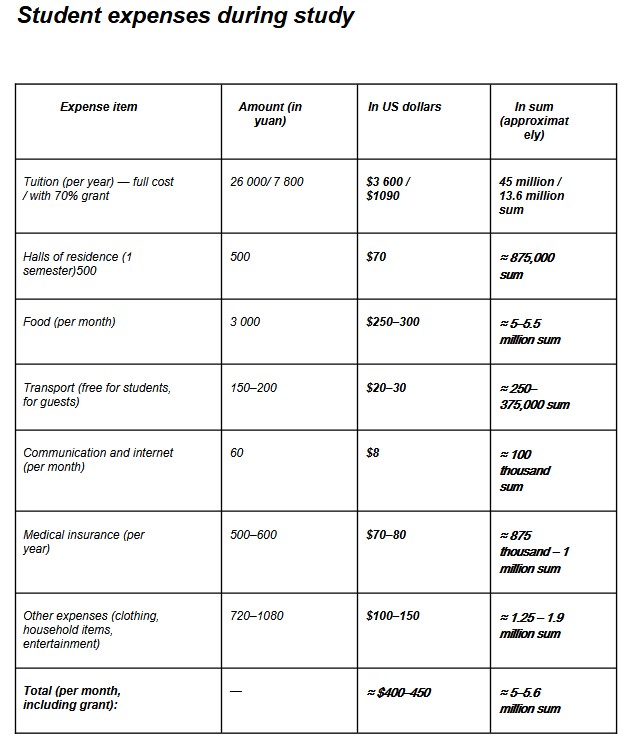
Transport is free for students with a university card.
Advice for those planning to study in China
Before travelling, it is best to learn at least basic Chinese - it really makes life easier. Many teachers and staff only speak Chinese, and knowing simple phrases helps you not to get lost in the first few days. If you know at least the basics, the adaptation process will be much smoother.
Foreign students are welcomed warmly. I have friends from different countries: Arabs, Bangladeshis, Mongolians. Everyone is friendly, no one singles anyone out. My roommate is a foreigner, a very nice one. Of course, there are minor everyday issues, but we resolve everything through conversation.
China really loves foreign students, but it demands respect for its rules.
What life in China has given me
China has taught me responsibility. I have come to understand what it means to decide everything for myself, from everyday matters to my studies. The first few days were difficult, but now I feel like I belong here.

I may stay in China after my studies to do an internship and gain experience at local IT companies. But I'm only at the beginning of my journey. I want to try new things, develop myself and not stand still.
Related News

13:14 / 06.12.2025
President Mirziyoyev discusses expansion of technology partnership with leading Chinese companies
21:18 / 04.12.2025
Uzbekistan to launch new car production plant in Syrdarya with Chinese partners
16:09 / 01.12.2025
Namangan begins construction of $141.5 million waste-to-energy plant
14:43 / 28.11.2025