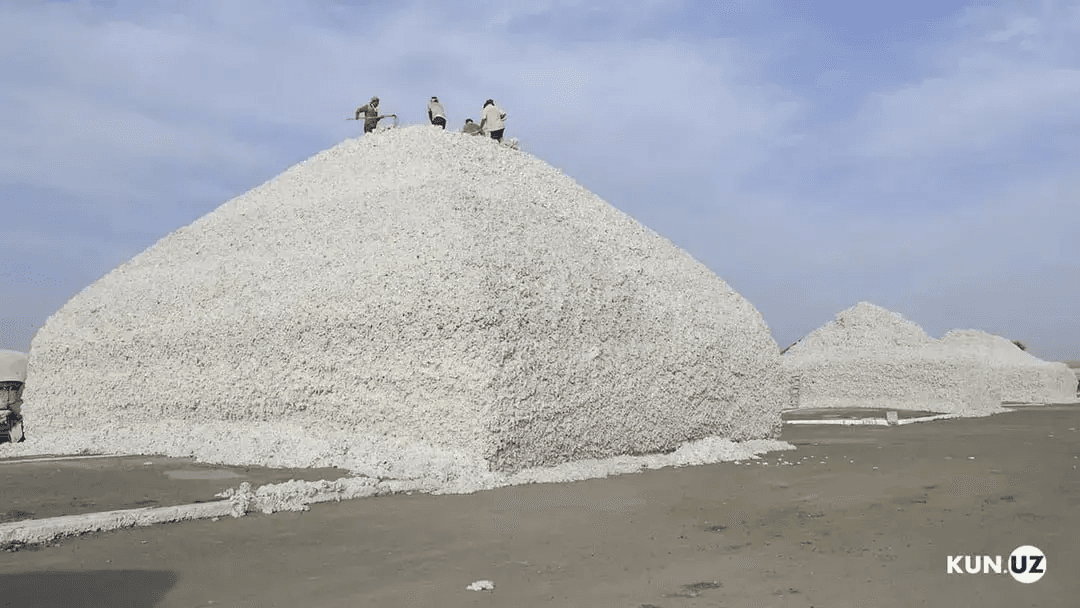
Clusters that grow cotton on their own land will receive a separate subsidy of UZS 1.5 million per hectare.
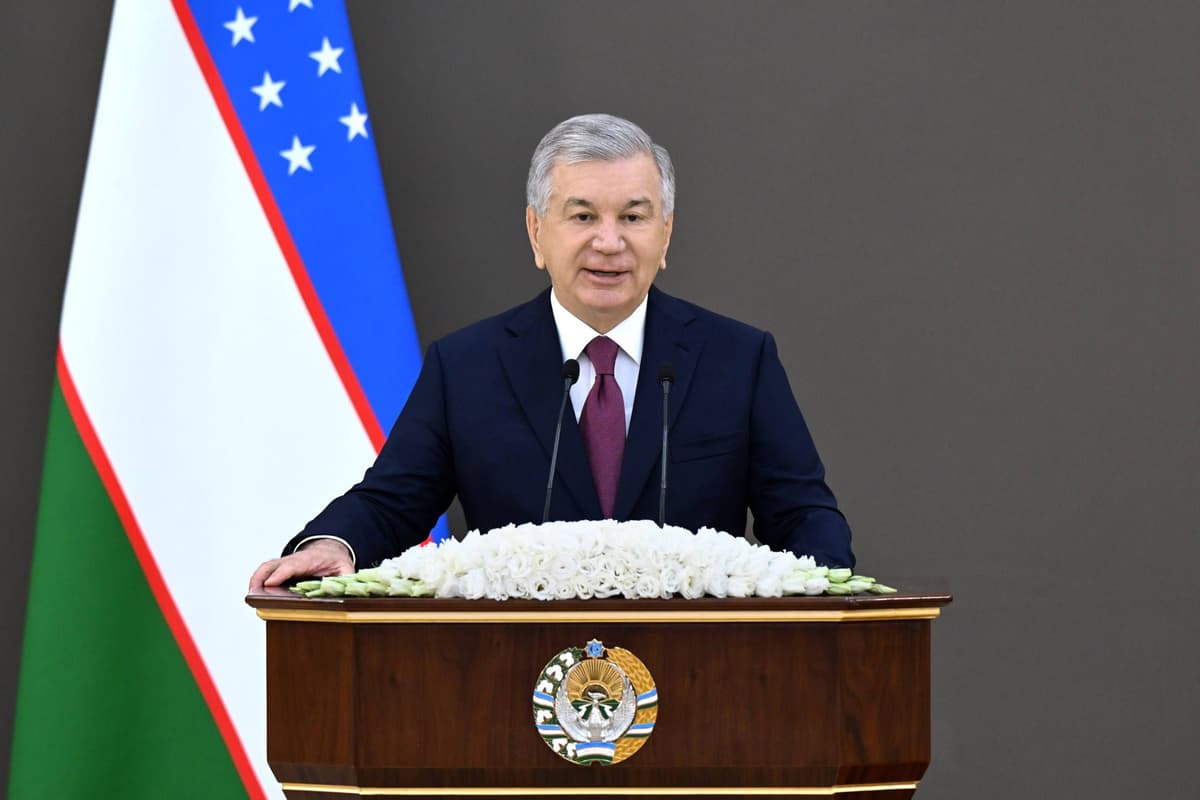
The measures were announced at a meeting on the socio-economic development of Andijan region, support for businesses and efforts to raise household incomes. The government said the new support is aimed at helping farmers, cotton clusters and producers of finished goods amid weaker global demand for cotton and rising export logistics costs.
The meeting also outlined measures to expand livestock farming using land in Ulugnor district that has been converted from cotton production to feed crops, as well as more efficient use of field edges. Projects for large livestock complexes will be developed in Ulugnor and Boston districts.
New poultry farming projects will be launched in Jalakuduk and Khojabad districts based on the experience of a chicken meat production complex in Balykchi. A fish farming cluster will also be established in Ulugnor.
A separate company, Agrostar, will be established to bring foothill lands in Jalakuduk, Marhamat, Asaka and Andijan districts into productive use. Irrigation will be provided for 4,000–5,000 hectares by spring, after which intensive orchards will be established. The orchards will be cultivated for three years before being offered to local residents in an established, productive form.
The government also plans to shift fruit and vegetable farming toward a “maximum value per hectare” model. Small processing units will be made available to residents through leasing arrangements, while the creation of district-level brands will be encouraged.
These measures could increase the share of locally grown produce that is processed to 30% and raise fruit and vegetable exports to $500 million, according to the presidential press service. The greenhouse farming model used in Balykchi will also be expanded across the country.
Additional support is planned for exporters of finished products. The government has ordered calculations for a three-year program to compensate part of the interest on their loans, covering the portion above 5% on foreign-currency loans and above 14% on loans in Uzbek soums.
Proposals will also be prepared to return 3% of the value of goods sold through online marketplaces to businesses.