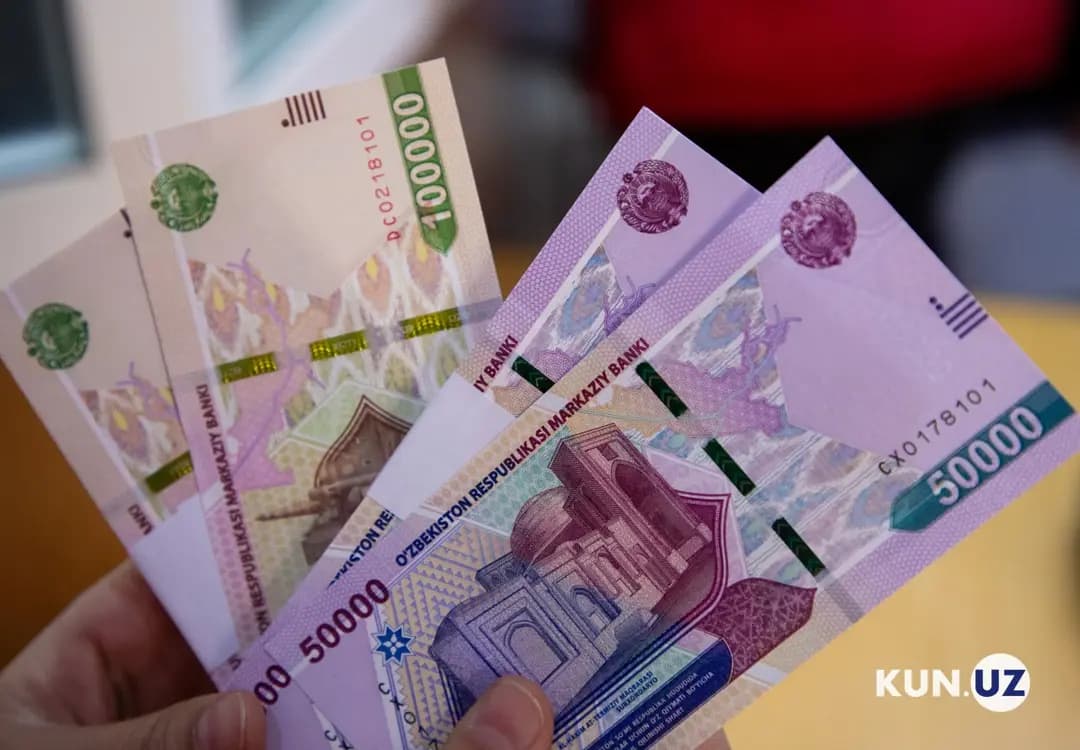
The digital soum would be a form of money issued directly by the Central Bank. Central bank digital currencies, or CBDCs, generally come in two forms: retail, which can be used by individuals and businesses for everyday payments, and wholesale, designed for transactions between financial institutions.
Uzbekistan is currently studying only the wholesale model. Central Bank officials said it would be based on distributed ledger technology and used by banks and payment organizations for settlements.
Under the current timeline, the Central Bank plans to assess the potential benefits of introducing the digital soum by the end of 2027. Pilot testing is expected to continue through 2028, followed by the integration of market participants and a full system launch by the end of 2029.
The Central Bank stressed that the launch has not yet been decided.
“Wholesale digital currencies will be developed together with international consultants. Pilot testing will then be conducted, and a decision will be made based on the results,” officials said. “It is not yet 100% certain whether a wholesale digital currency will be introduced.”
Potential uses
The Central Bank says a wholesale digital currency could reduce settlement risks, improve operational resilience and allow emergency liquidity to be provided automatically around the clock when and where it is needed.
One of the first potential uses would be government procurement. Officials say the system could allow funds allocated by the Ministry of Economy and Finance to be tracked and prevent them from being diverted from their intended purpose.
Digital soum transactions could later be used to finance infrastructure projects. Under such a system, payments to contractors could be released only after designated project milestones had been completed and the work formally accepted. This would allow government investment spending to be monitored in real time.
The currency could also be used for government payments and targeted subsidies.
Officials cautioned that these are potential outcomes being studied rather than finalized features of the proposed system. They said developing and assessing a digital currency could take at least four to five years.
The Central Bank plans to spend the next three years studying the system, developing the digital currency and testing it in practice.