Internal and external problems of “Taliban” government, its friends, relationship with Uzbekistan – interview with Uzbek Ambassador to Afghanistan
|18:00 / 12.07.20223,48815 min
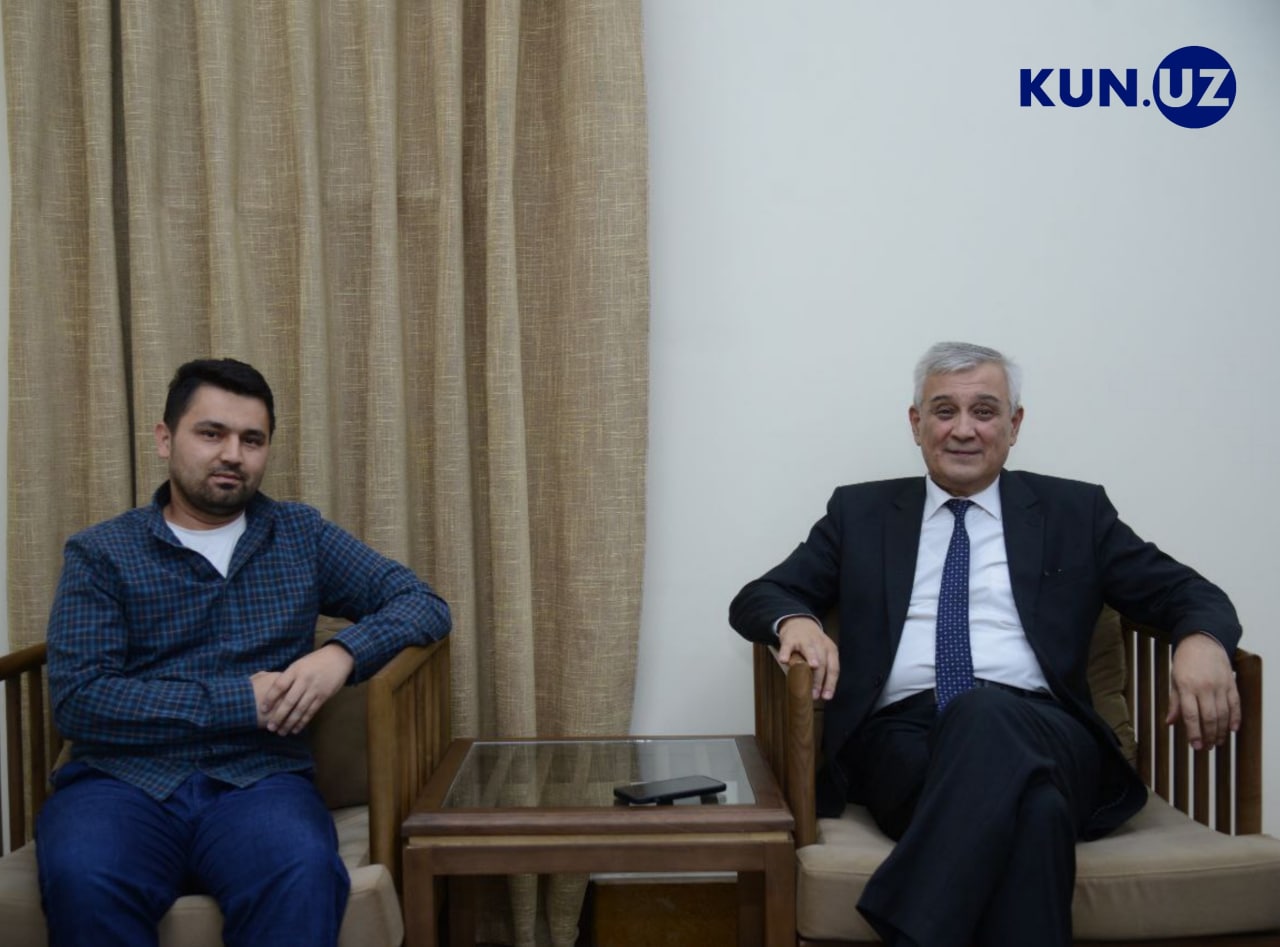
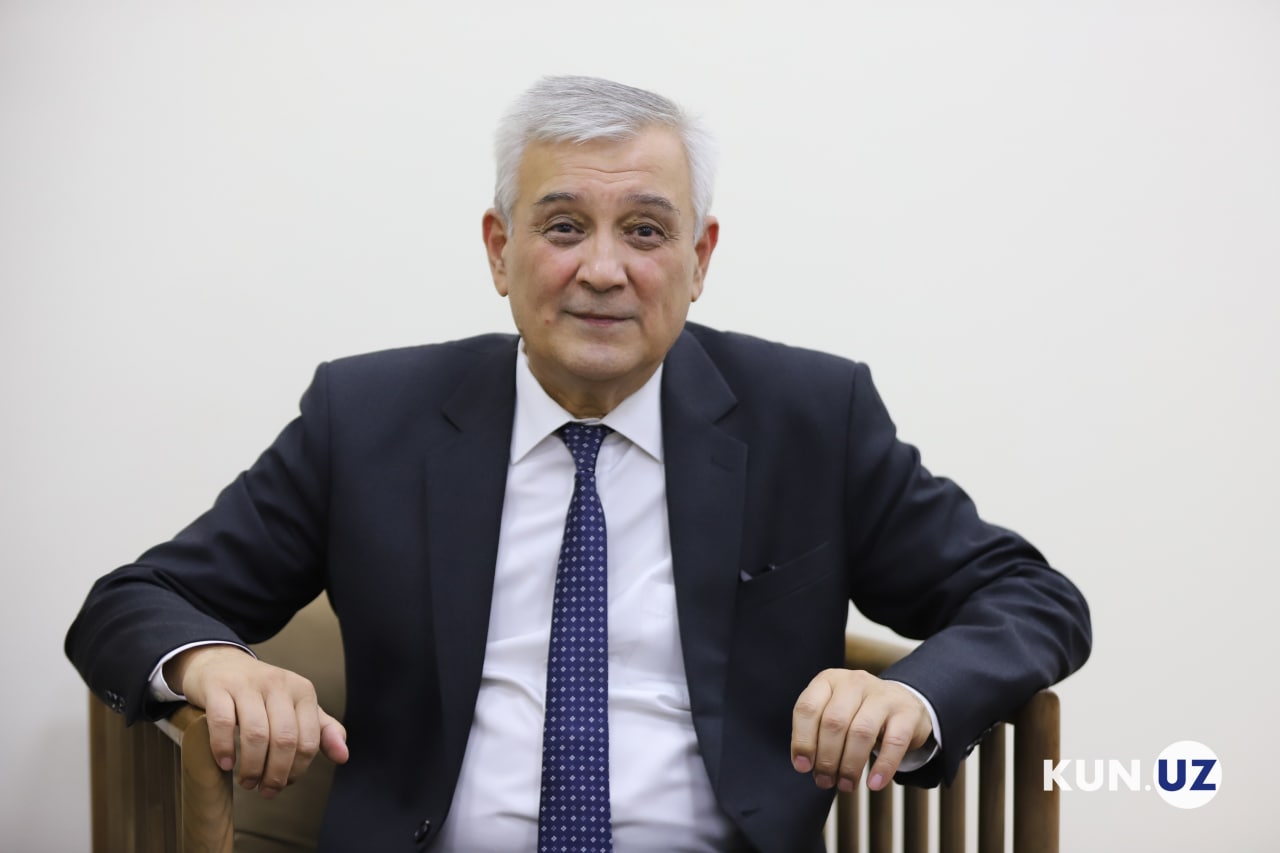
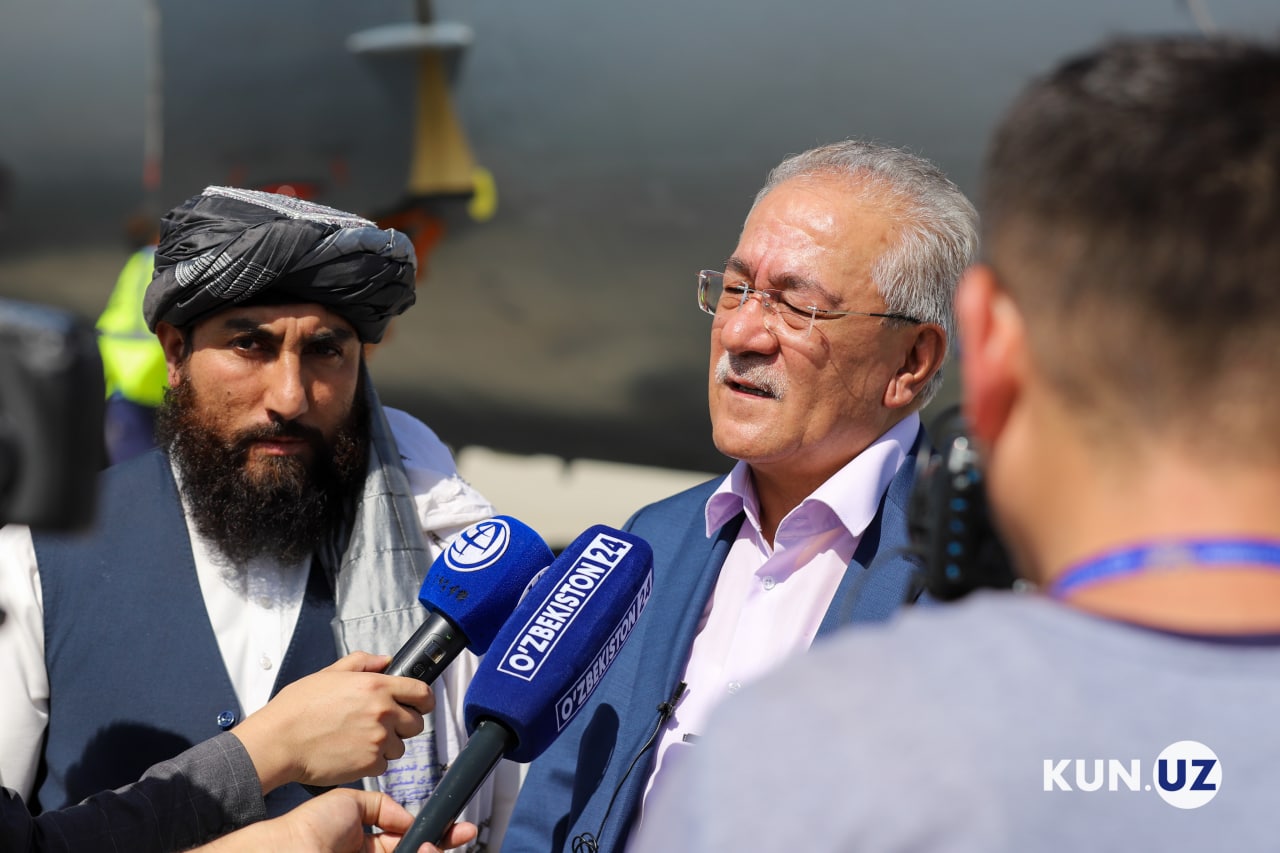
During his trip to Kabul last month, Kun.uz correspondent interviewed the Ambassador of Uzbekistan to Afghanistan, Yodgorkhodja Shodmonov. In the course of the interview, the ambassador expressed his opinion on many topics related to the internal and external problems of the “Taliban” government, frozen money, corruption and the conditions of the international community, as well as Uzbekistan’s projects in Afghanistan and relations between the two countries.
Photo: Kun.uz
- Good morning Mr. Yodgor! During your ambassadorship, the Taliban came to power in Afghanistan. As someone who has personally seen and interacted with both governments, what changes can you tell today?
- There are many factors for assessing the situation in Afghanistan now, this country has been one of the troubled countries in the South Asian region for many years. Starting from February-March 2021, the confrontation between the official government and the Taliban movement began to reach its peak. Since May, “Taliban” has taken over many villages and cities every day, and on August 15, they surrendered the capital city of Kabul and established their own government.
After that, difficulties began, there was fear in the people. We have also seen this in people trying to escape by scrambling onto airplanes. The departure of highly qualified specialists from Afghanistan was also a negative blow for the country.
In addition, after the withdrawal of US troops from Afghanistan, the country’s foreign assets worth $9.4 billion were frozen. This was the second negative blow to the country’s economic development. Employees of state organizations could not receive their salaries from the bank. There are cases where the funds of not only state organizations, but also ordinary citizens and entrepreneurs have been frozen. Due to the currency shortage, entrepreneurs are not given more than $200 per week, and organizations are not given more than $25,000. Non-return of frozen money has a negative impact on social life.
Moreover, today Afghanistan’s budget is forced to be formed at the expense of domestic revenues, while during the previous government, 60-70% of the budget was formed due to the aid provided by donor countries. Currently, due to low domestic revenues, some of the government’s expenditures are limited.
Related topics
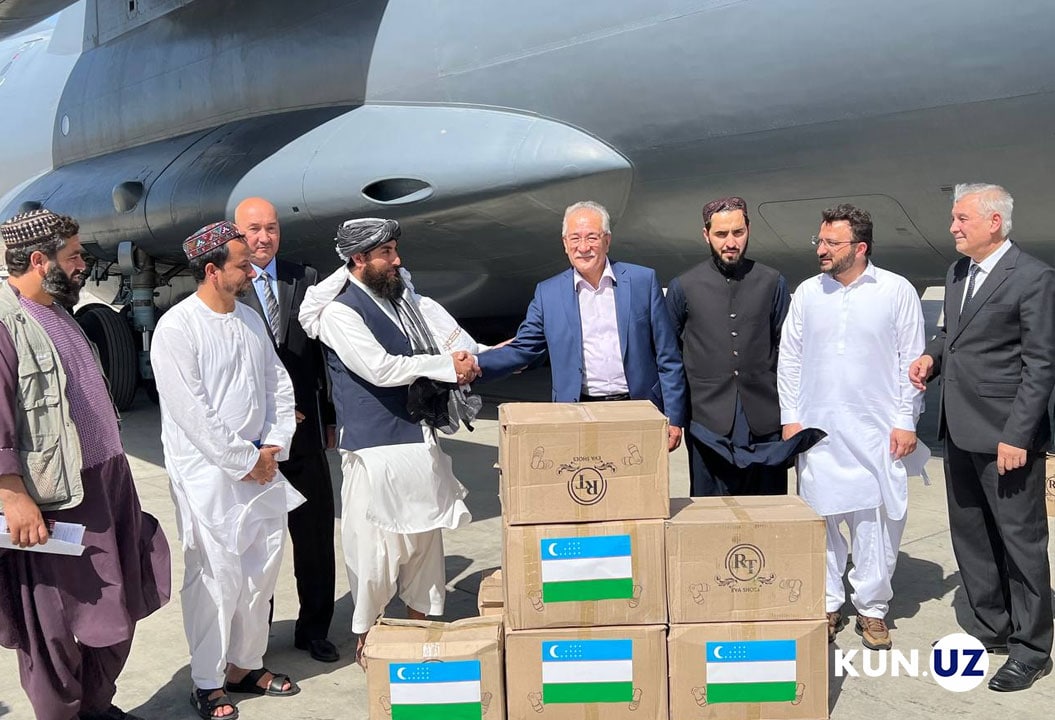
It should be noted that the countries are working to get the people of Afghanistan out of the humanitarian crisis. In particular, Uzbekistan has sent humanitarian aid 4 times.
In addition, there are problems in the social sphere in the country. Restrictions on science education, late opening of schools, education of older girls remain.
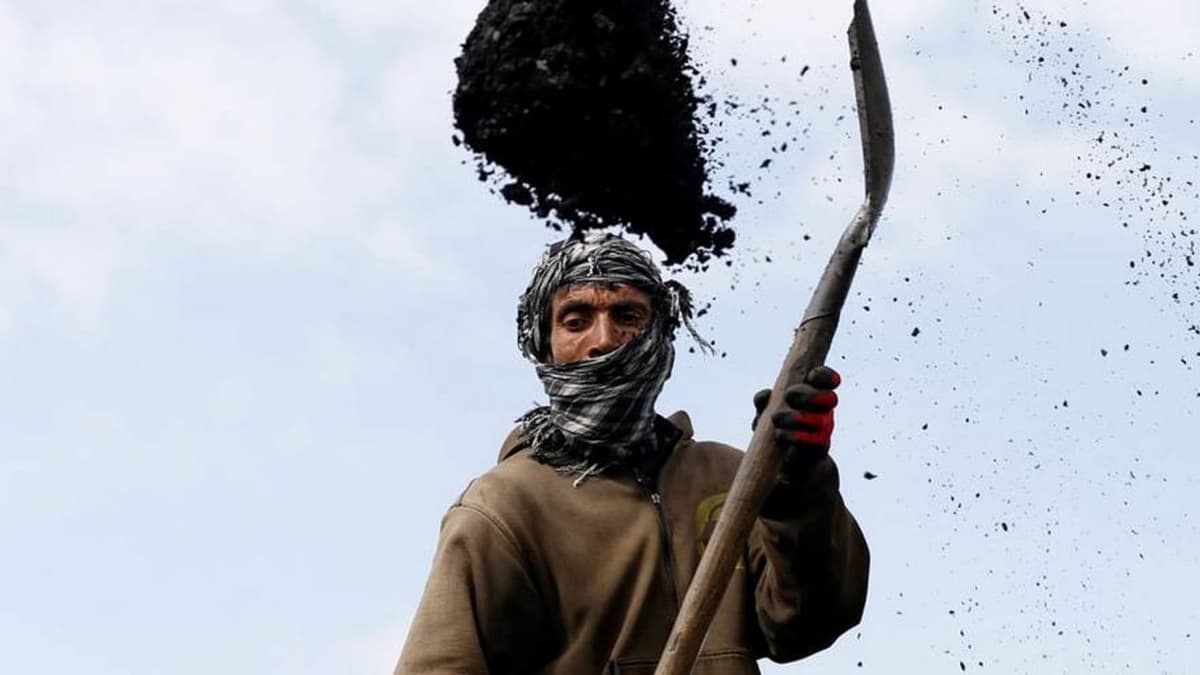
According to UN data, today 24 million people of Afghanistan have reached the level of poverty. 49% of the working population is unemployed. High unemployment is driving the growth of poverty. I cannot say with certainty that the population of Afghanistan is 35 million, because the last complete population registration was in 1975. The following numbers are based on calculations. The passport system is also very slow.
In the transition period, there are also difficulties in the state administration bodies, when the newcomers come, they have to adapt. But the main problem remains an economic-humanitarian problem.
Another thing is that there are positive changes in terms of security. There are no conflicts and explosions like before. But there are two factors that pose a threat to security. These are members of the “Islamic State of Khorasan” who are organizing terrorist attacks in mosques and public places. Another factor is the guerrilla movement led by Ahmad Massoud. “Taliban” is fighting against both of these and trying to ensure peace. The most important thing is that all Afghan officials say that there will be no threat to Uzbekistan.
- It has been written a lot about the fact that most of the aid money sent by international donors was embezzled by high-ranking officials during the previous government, and that corruption was rampant in the country. What is the “Taliban” government doing to ensure that the current aid reaches its owners?
- In fact, during the previous government, there were opinions that 10-25% of the money coming from donors would be “swallowed” and corruption was very strong in the country. This was openly reported in the Afghan mass media.
Today, “Taliban” has started to fight against it, if financial help comes from somewhere, they show it. It is also said in what order it will be distributed to the people. In turn, if an official is detained for bribery or fraud, he is punished under Sharia law and televised. It is difficult to give many examples in the short term, but I can say that the people’s opinion about the fight against corruption is positive.
- There were projects in Uzbekistan to reach the southern ocean via Iran or Pakistan passing through Afghanistan. Now, when the railway project in Afghanistan is completed, which port is expected to be selected?
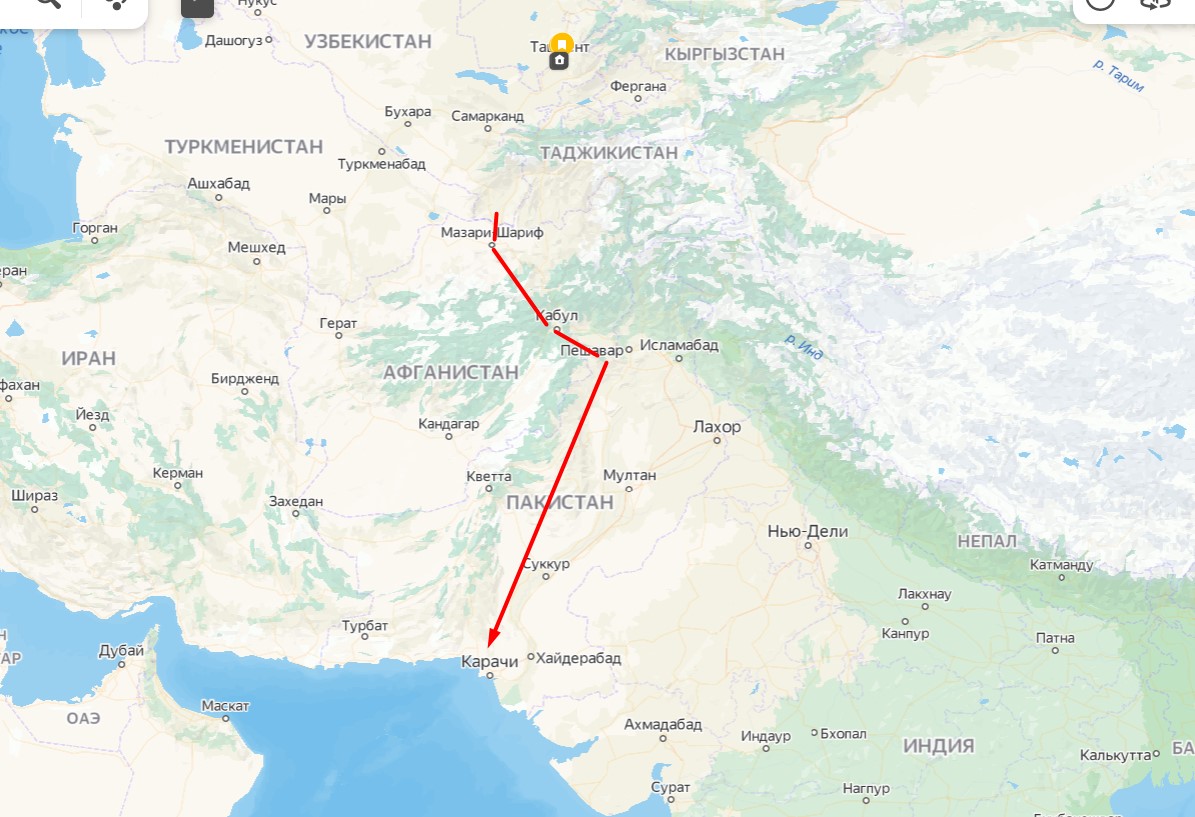
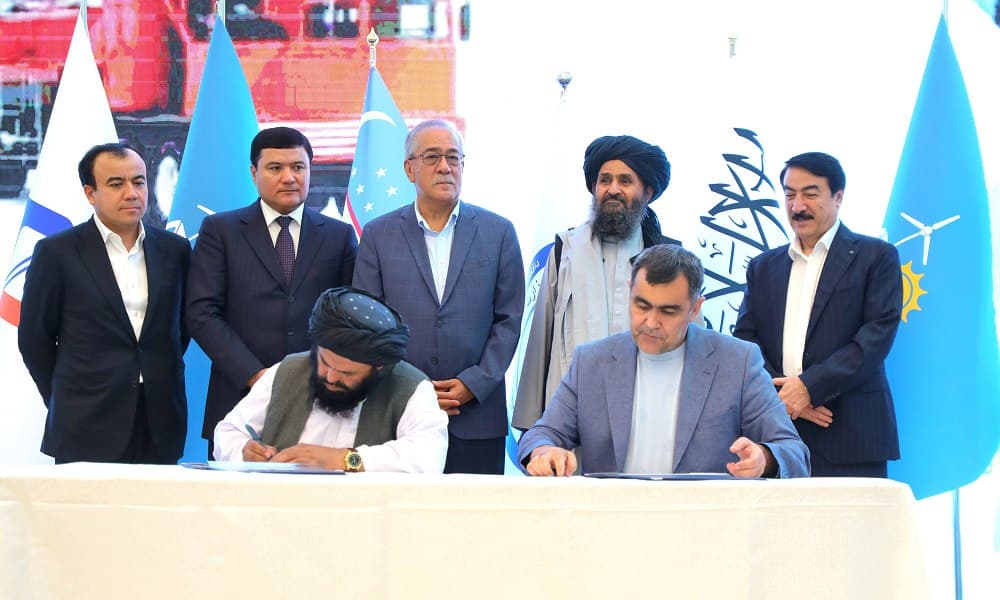
- Currently, works are ongoing within the framework of the Mazari-Sharif – Kabul – Peshawar railway construction project at the initiative of our President. Today, the necessary commissions for surveying the routes have been established. The commission should now geophysically study this route and prepare a conclusion. This is not an easy task, members of the expedition should explore the railway tracks starting from Mazari-Sharif.
Work on this has begun, security, costs and other issues are currently being discussed.
The Peshawar route will be a major project that will take us offshore. If now we are spending 15-20 days to go to the sea, the construction of the railway will reduce it by half. According to the estimated targets, we will be able to take the goods to or from Pakistan in 4-5 days. Even if we go to Karachi port or other ports, we can easily sell or transport our goods by sea there.
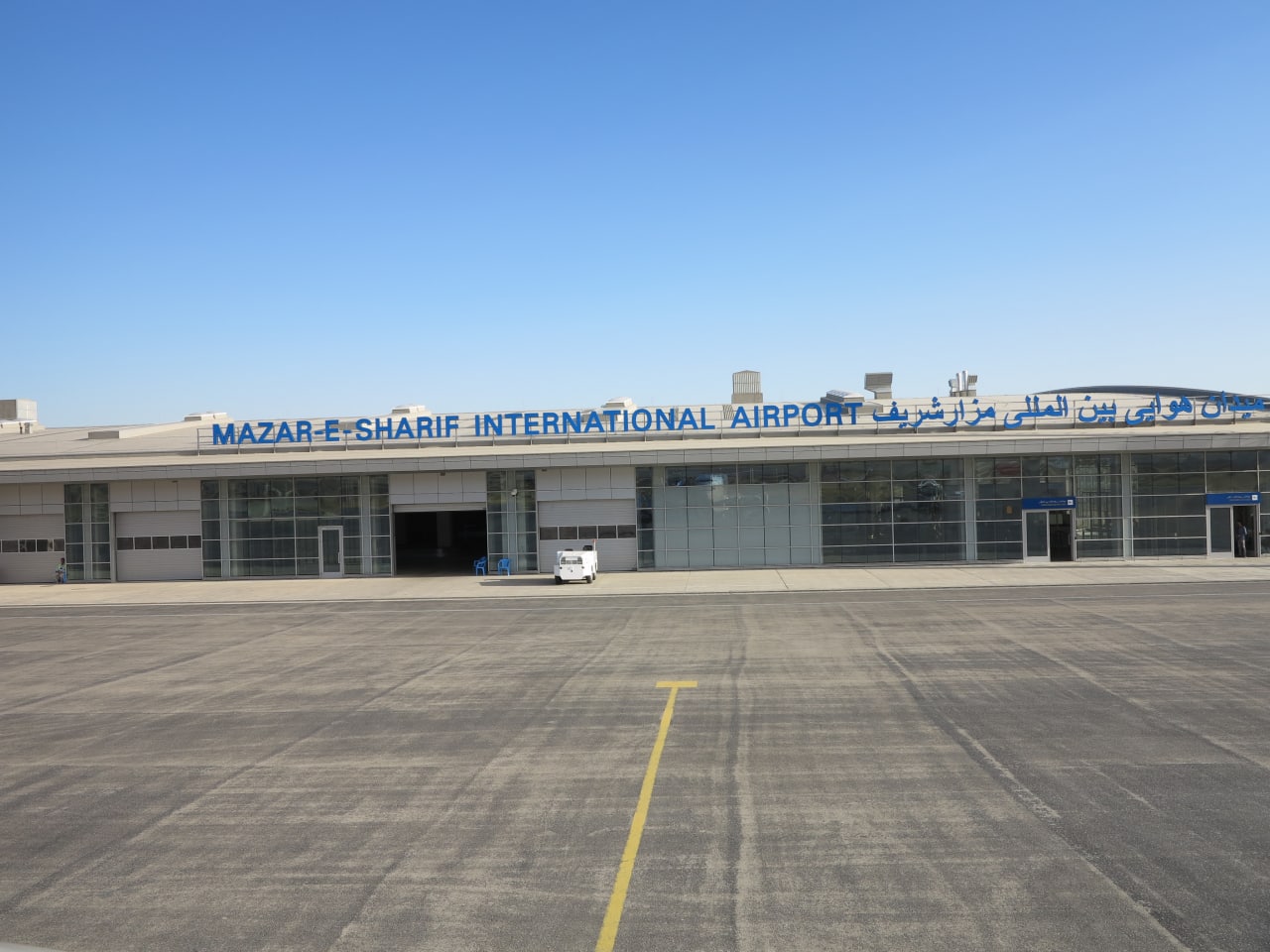
- Why is Uzbekistan reconstructing the airport in Mazar-e-Sharif to Afghanistan, and what is the benefit for us?
- This city, located on our southern borders, is the main transit area not only for us, but also for Asian and European countries. In addition, Mazar-e-Sharif is one of the major economic regions of Afghanistan and a distribution complex for almost all goods imported through Uzbekistan. That is why it is important to us. The role of Khairaton and this city in the development of economic relations is also very large.
When “Taliban” came to power, according to their gentle request, our experts reconstructed Mazar-e-Sharif International Airport. Not only the building or area, but also technical, navigation system repair and other issues were helped by our experts.
Even today, the runway is being repaired and prepared for the flight. Initially, there was a plan to launch the Mazar-Sharif – Tashkent air route, but the plan was delayed after the change of government.
I think that this service will be launched in the future. In addition, it will be possible to use this airport for cargo purposes. Therefore, this is a business that is both friendly to the Afghan people and also based on our own economic interests.
- The international community has set several conditions regarding the recognition of the “Taliban” government. How is the “Taliban” trying to fulfill these conditions?
- Two main conditions were set for the recognition of the Afghan government: an inclusive government and the provision of human rights, mainly women’s and children’s rights.
But the government announced in September 2021 was not inclusive. Although some Afghan officials call it an inclusive government, the government demanded by the United States and other countries of the world should include representatives of all ethnic denominations living in Afghanistan, including women. There are also barriers to women’s education, which is considered as a limitation of their rights. For this reason, the Western countries openly say that they will not recognize the government until the demand is fulfilled.
I think this issue will be resolved. I hope the Afghan government will do something positive in this regard. Statehood opens many doors for Afghanistan.
- How do ordinary people accept the emergence of “Taliban” government?
- Frankly speaking, there are those who accept both positively and negatively. People who support the “Taliban” spiritually and are inclined to it can be seen in state organizations today. Those interested in the republican period are protesting. A third group of women who worked or were active during the republic are still protesting.
There are different opinions. Some publications have been closed, many are still working. There is criticism of the government, but it has come to the level of the norm. People express free opinions, but there is censorship in some sense.
- Which countries does the Taliban consider as its friends?
- The Ministry of Foreign Affairs has emphasized the state of Qatar, as well as its good relations with Turkey and China. Qatar and Turkey helped to repair the Kabul airport. Today, many “Taliban” talks are being held in Doha. Including, relations with Uzbekistan are good. Today, communication between the two countries has been established at every level. In addition, good opinions are expressed about Turkmenistan and Kazakhstan.
It is impossible not to recognize the role of Pakistan, India and Iran in the region. These also play an important role in Afghanistan’s foreign policy.
- What procedures have been established for the arrival and departure of citizens of Afghanistan and Uzbekistan? Are both countries in reciprocal visa entry mode?
- Now the issue of allowing Afghan drivers to enter Uzbekistan and bring goods in trucks has been requested. This is currently under review. Our drivers recently brought meat from Pakistan through Afghanistan by an agreement. The first step has been taken, now such transit issues must be resolved and improved.
During the period of the previous republic, 30-40 thousand Afghan tourists annually visited Uzbekistan. Later, due to the pandemic, visa restrictions were imposed. Once government’s quarantine restrictions are lifted, we will begin issuing business or other visas to Afghan nationals. I think this is a temporary measure.
But now Kabul-Tashkent-Kabul flights are full. Those who want to fly to a third country can easily show their ticket and fly through Tashkent.
Afghanistan has no visa restrictions, but I see a low trend of Uzbeks flying here. Only officials or business delegations are coming and going.