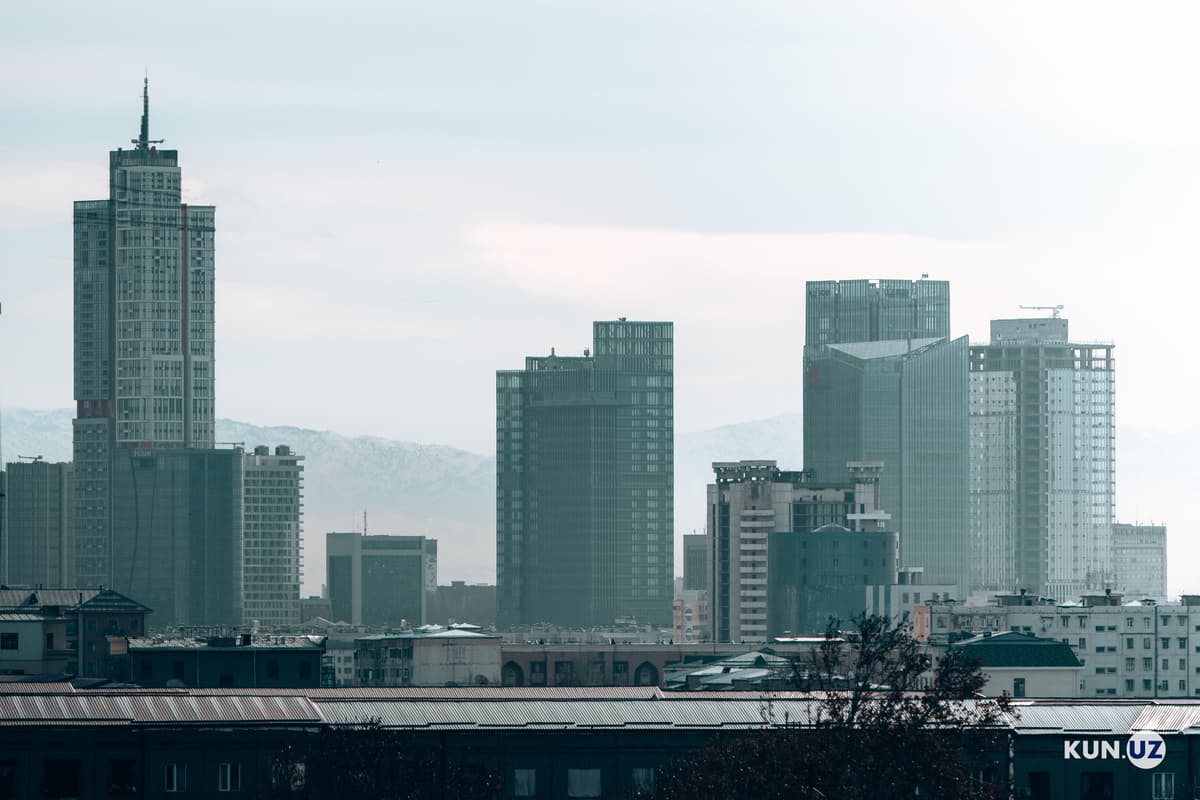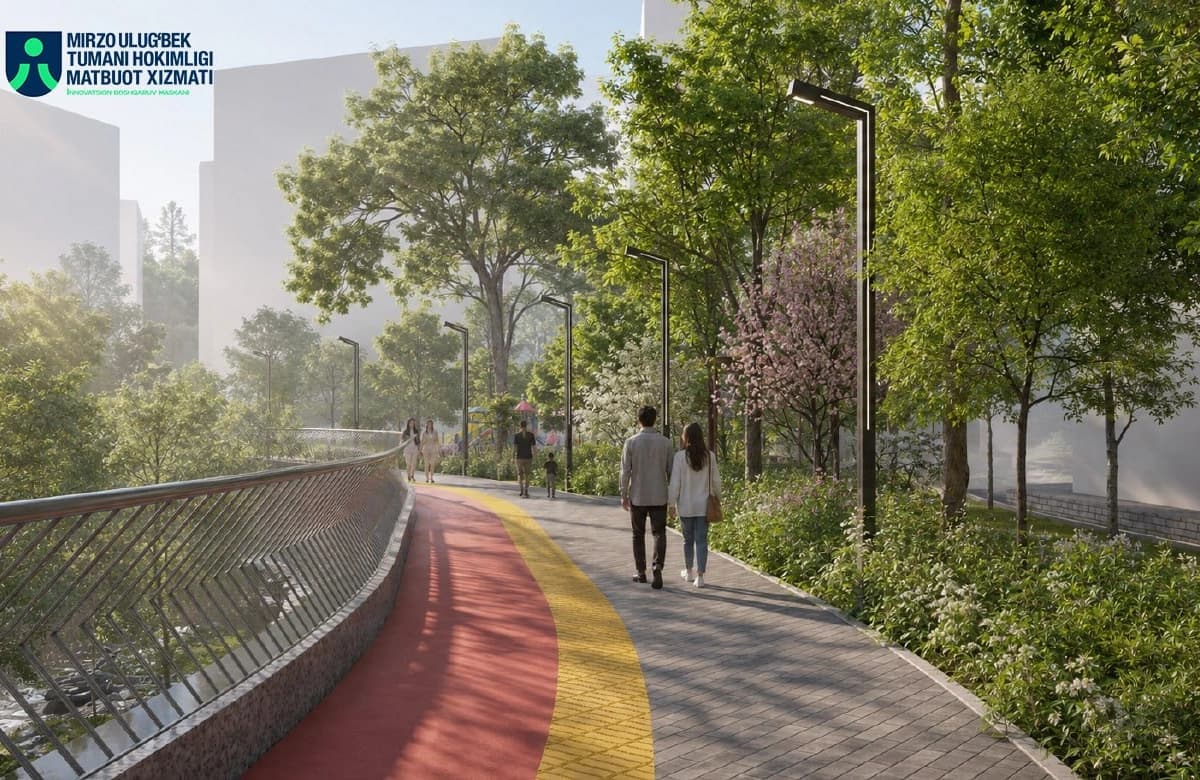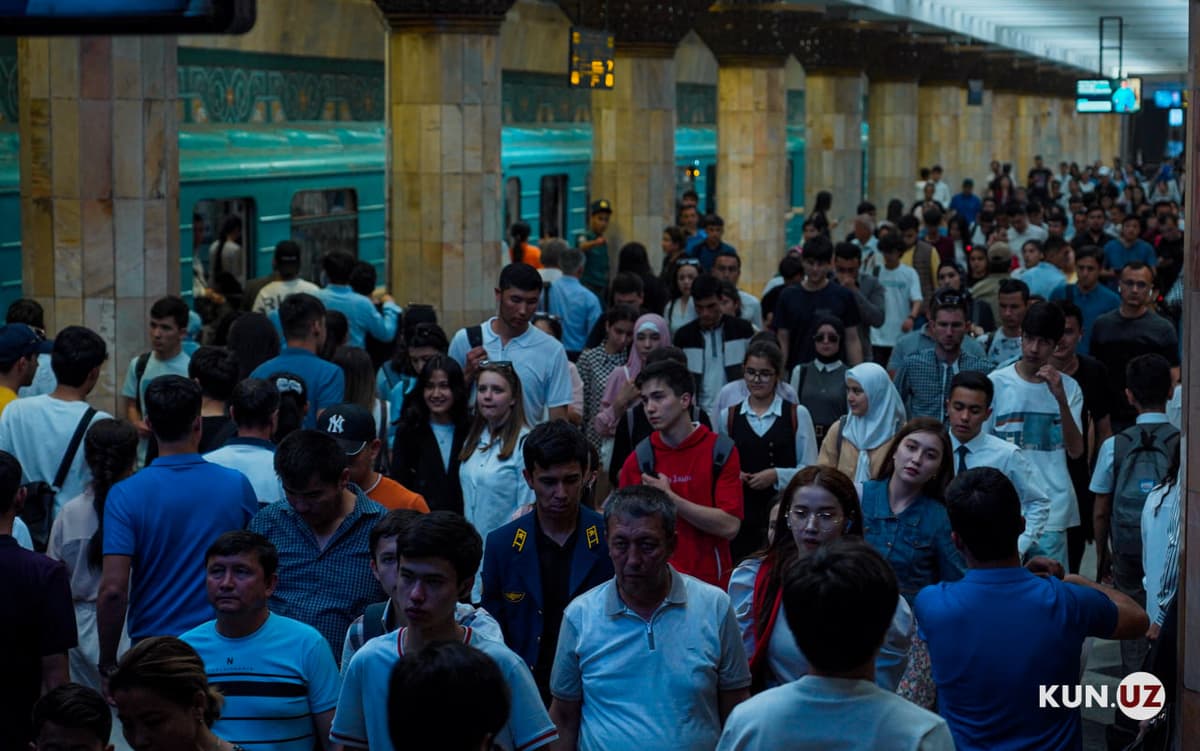
According to the studies of the Institute of Macroeconomic and Territorial Studies, cities in the world develop in two main ways, that is, outward expansion - horizontal or upward growth - vertical.
There are 3 main scenarios of urban expansion. This can happen with population density decreasing, not changing or increasing. The first and second scenarios usually represent the outward expansion of the urban area. According to the 3rd scenario, the city will grow vertically and the population density will increase.
Vertical growth of cities has the following advantages:
• optimization of land use;
• reducing investments in infrastructures;
• reducing travel time within cities;
• accelerating the exchange of information and knowledge among people in one place;
• supporting more sustainable urban development.
At the same time, vertical growth requires the application of knowledge-based management models.
In Uzbekistan, the number of households (houses) increased by 6.6% in 2012-2016, and in 2017-2021, the increase was 3 times more than in the previous 5 years - 20.3%. During this period, most houses were built in Samarkand, Kashkadarya, Bukhara regions and Tashkent city.
According to the results of the analysis, in 2021-2022 the districts of Sardoba, Jondor, Peshku, Khodjaabad, Sokh and Bagdad; Vertical growth was the highest in the cities of Navoi, Jizzakh, Zarafshan, Bukhara and Andijan.
In 77 districts and cities, the share of multi-family dwellings in the total area of houses accepted for use was less than 30 percent. In Bozatov, Kegeyli, Karauzak, Buston, Yangiabad, Tomdi, Altinsoy, Mirzaabad, Saykhunabad districts and the cities of Ghazgon, Shirin and Angren, multi-family houses were not commissioned.
IMTS also analyzed the disadvantages of vertical cities. Vertical cities can present a challenge in terms of infrastructure requirements, environmental impact and liveability. For example, in most of such cities in Uzbekistan, the master plan has not been developed or completed. Unplanned allocation of land even in areas with a master plan has led to irregular constructions and this continues. In 2021, it was found that the master plan was not followed in 814 cases in the republic.