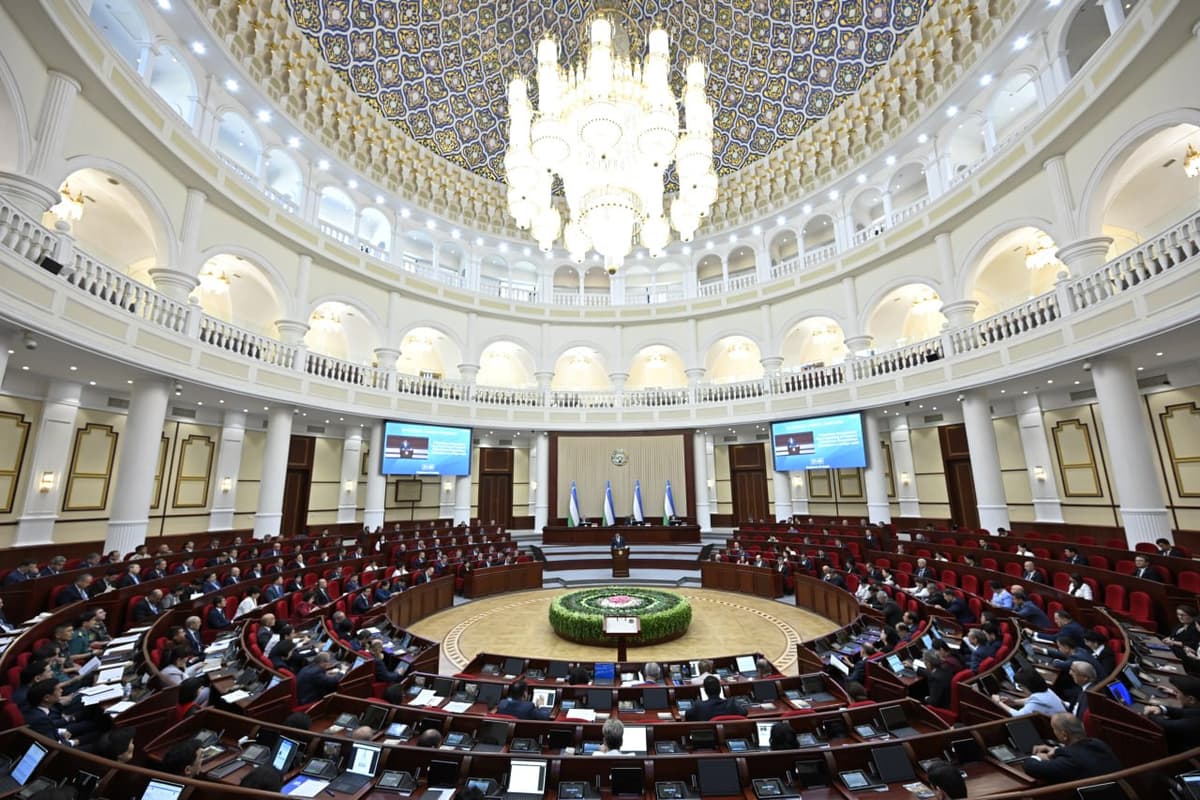
The “Uzbekistan-2030” strategy was approved by the presidential decree.
The following plans are included in the “Ensuring the welfare of the population through sustainable economic growth” strategy:
• increasing the volume of GDP to $160 billion and per capita income to $4 thousand;
• ensuring that the consolidated budget deficit will be less than 4% of GDP in 2024 and less than 3% in the following years;
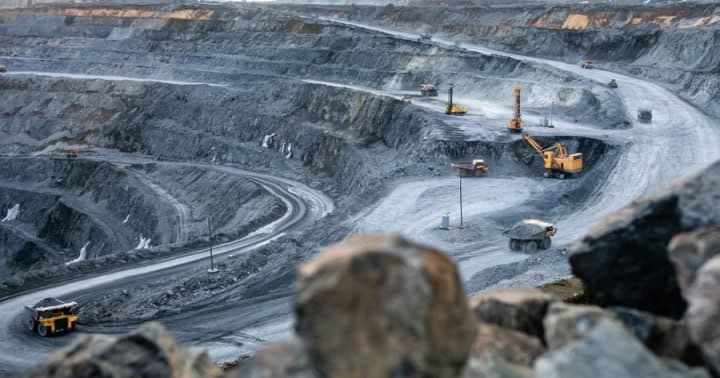
• increasing the production of copper necessary for high-income products by 3.5 times, gold – 1.5 times, silver – 3 times, uranium – 3 times;
• creating a competitive environment in the automotive industry and increasing the production volume to 1 million units;
• introduction of the industrial mortgage system, which provides for the mechanisms of providing buildings in the form of “ready-made business” to entrepreneurs;
• 70% coverage of the need for drugs in the pharmaceutical sector at the expense of domestic producers;
• increasing the added value by 5 times due to attracting more than 30 prestigious foreign brands to the leather-shoe industry;
• $250 billion of investments, including $110 billion of foreign investments and $30 billion of public-private partnerships;
• privatization of banks and keeping 3-4 banks under state ownership, attracting at least 4 large and prestigious foreign banks to the banking market;
• introduction of criteria and procedures of Islamic finance in at least 3 commercial banks, formation of legal basis of Islamic finance;
• increasing renewable energy sources to 25,000 MW and their share in total consumption to 40%;
• introduction of energy efficiency assessment system (energy-audit) of apartments in high-rise buildings;
• transition of public transport in cities to environmentally friendly fuel;
• increasing the amount of electricity supplied for economic sectors and population to 120 billion kWh;
• increasing the volume of natural gas production to 62 billion cubic meters;
• increasing the number of flights by 4 times;
• construction and repair of 56 thousand kilometers of roads;
• construction of highways on the Tashkent-Samarkand and Tashkent-Fergana Valley routes on the basis of public-private partnership;