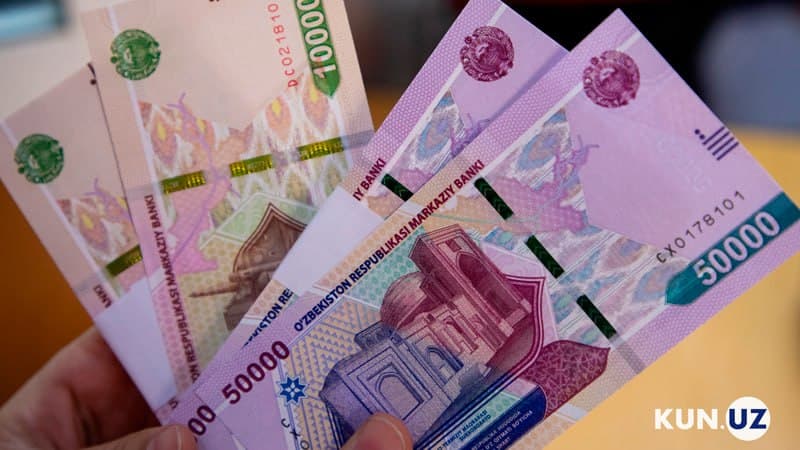
Today, approximately 2.5 million Uzbeks work abroad. The amount of money they send back to Uzbekistan surpasses the revenue from gold exports, constituting over 14% of the country’s GDP.
In 2000, the United Nations General Assembly declared December 18 as International Migrants Day. On the same date in 1990, the International Convention on the Protection of the Rights of All Migrant Workers and Members of Their Families was adopted.
How many migrants are there worldwide?
According to the International Organization for Migration (IOM), the number of migrants globally exceeds 281 million. This represents a threefold increase in the past 50 years. The majority of migrants leave their countries due to unemployment, socio-economic challenges, and the search for better education.
Over the years, the volume of remittances sent by migrants to their home countries has also steadily increased. Between 2000 and 2022, these remittances grew by 650%, from $128 billion to $831 billion.
In the past decade, the United States, Germany, and Canada have been the most attractive destinations for migrants. The growing number of migrants in these countries underscores their appeal. For instance, while the U.S. hosted 12 million international migrants in 1970, that number has now exceeded 50 million. Migrants also account for over 18% of Germany’s population. Meanwhile, wealthy Arab nations such as Saudi Arabia and the UAE remain popular destinations for migrant workers.
The highest remittance volumes come from the U.S., amounting to over $79 billion in 2022. Saudi Arabia ($39 billion), Switzerland ($31.9 billion), and Germany ($25.6 billion) follow as significant contributors.
On the receiving end, the countries that benefit the most from remittances are India, Mexico, China, the Philippines, and Egypt. In 2022, India alone received over $111 billion in remittances.
The role of migrants in Uzbekistan’s economy
Uzbekistan is one of the leading countries in sending labor migrants abroad. According to the latest official data from the Agency for External Labor Migration, over 2.3 million Uzbeks have gone to work in foreign countries.
Historically, Uzbek migrants have primarily headed to four countries: Russia, Kazakhstan, Turkey, and South Korea. However, recent years have brought significant changes.