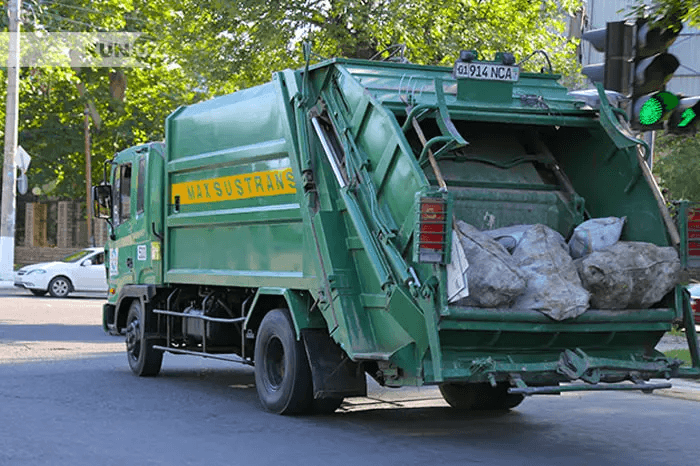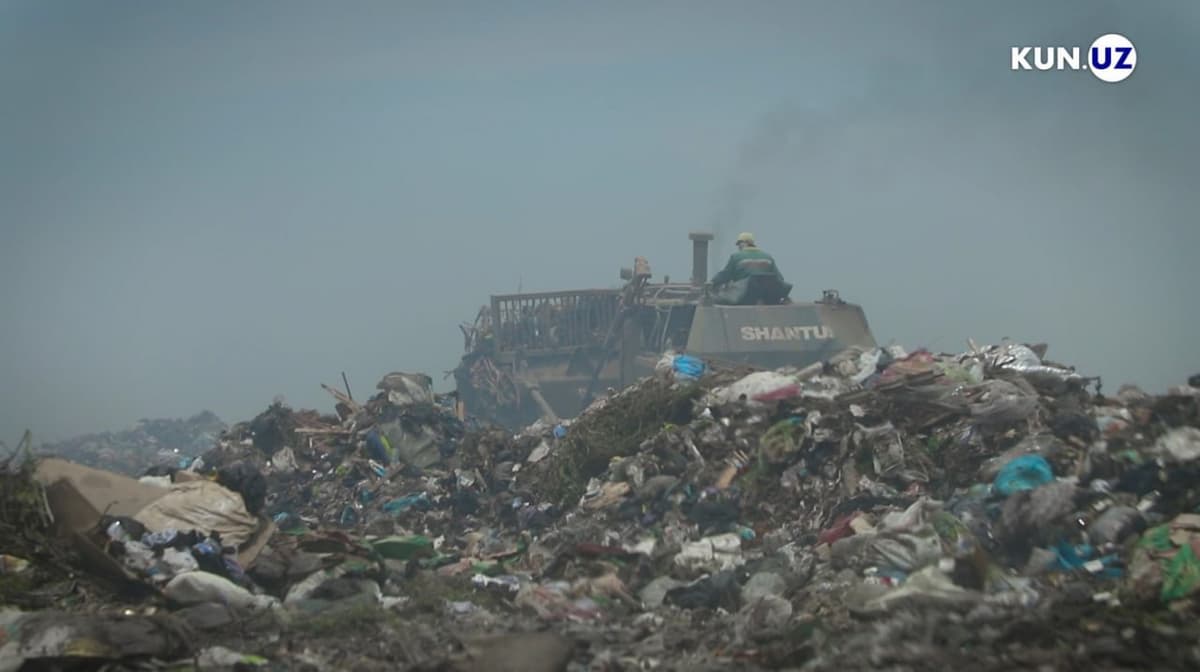
The Ministry of Ecology, Environmental Protection, and Climate Change of Uzbekistan, together with the Center for Sustainable Development, conducted an inventory of plastic waste in the country as part of the "Plastic Waste in Remote and Mountainous Areas" project, the ministry's press service reported.
The project is being implemented with the support of the secretariat of the Basel, Rotterdam, and Stockholm (BRS) Conventions — international agreements aimed at protecting the environment and human health from hazardous chemicals and waste.
Plastic is popular due to its durability and low cost, and it is widely used in various industries, including packaging, textiles, construction, and medicine. However, its longevity and resistance to decomposition have led to an escalating environmental crisis, the report states.
In Uzbekistan, the problem of plastic waste is exacerbated by rapid economic growth, urbanization, and the development of industries that heavily rely on plastic.
Conducting an inventory of plastic waste is one of the key tools for assessing the current situation and developing waste management strategies. "The inventory allowed us to evaluate the volumes of plastic entering the market, its usage and recycling pathways, as well as the scale of waste generation. This process has become an essential tool for analyzing the situation and formulating long-term waste management strategies," the Ministry of Ecology stated.
Increasing plastic consumption and waste
The results of the study revealed a significant increase in the volume of plastic used in Uzbekistan’s economy. The packaging sector remains the largest consumer of plastic, accounting for 22.1% of all plastic entering the market in 2022. The transport sector ranks second with a share of 24.9%, followed by the construction sector at 22.2%. Together, these three industries consume over 69% of all plastic in the country. This distribution is largely due to plastic’s broad range of applications, from single-use packaging and transport components to durable construction materials.
As plastic consumption grows, so does the volume of plastic waste. In 2022, the amount of plastic waste reached 249,200 tons — 147% more than in 2013. Packaging remains the primary source of waste, accounting for 192,100 tons. This is due to the short lifespan of packaging materials, which are typically discarded immediately after use. In contrast, waste from the transport and construction sectors grows more slowly, as plastic products in these industries have longer lifespans.