The U.S. Environmental Protection Agency will stop disseminating data collected through its air quality monitoring program via the AirNow app and other platforms, the State Department confirmed in response to an Associated Press inquiry on Wednesday.
This program has allowed local populations and researchers worldwide to analyze and compare air quality in different cities.
Budget cuts behind program termination
According to an official statement, the termination of the global air quality monitoring program is due to financial constraints. The State Department has been forced to shut down the monitoring network. However, embassies and consulates have been instructed to continue internal monitoring, and data sharing may resume if funding is restored in the future.
This budget cut is part of the Trump administration’s broader efforts to scale back environmental and climate change initiatives.
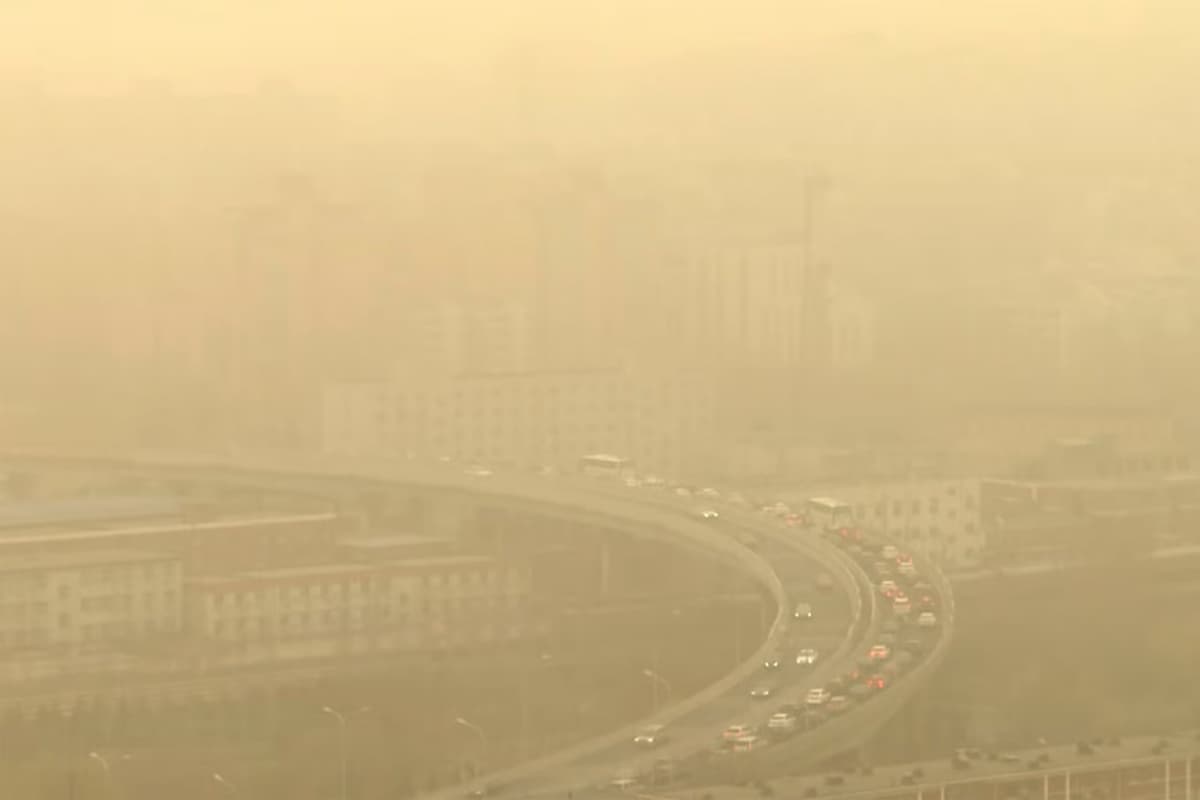
U.S. embassy-installed monitoring devices worldwide track PM2.5 particulate matter — tiny particles that penetrate deep into the respiratory system and can cause respiratory diseases, heart conditions, and premature death. According to the World Health Organization (WHO), air pollution is responsible for approximately seven million deaths annually.
A major blow to global air quality research
Bhargav Krishna, an air pollution expert at the Sustainable Futures Collaborative in New Delhi, called the data loss a “significant setback.”
“These sensors have been a crucial source of understanding air quality in many developing countries. They are well-calibrated and have been regarded as a reliable benchmark for comparing local data in terms of quality,” Krishna stated.
Independent air quality consultant Alejandro Piracoca Mayorga in Bogotá also described the decision as a “major loss.” He noted that U.S. embassies in cities such as Lima (Peru), São Paulo (Brazil), and Bogotá (Colombia) have provided publicly accessible air monitoring data.
“This program offered an independent source of air quality data, separate from local monitoring networks, serving as a crucial reference point,” he said.
Pakistani environmental expert Khalid Khan also condemned the decision, warning of “serious consequences.”
He emphasized that U.S. monitoring in Peshawar, one of the most polluted cities in the world, has provided “critical real-time data,” aiding researchers, policymakers, and citizens in making informed health decisions.