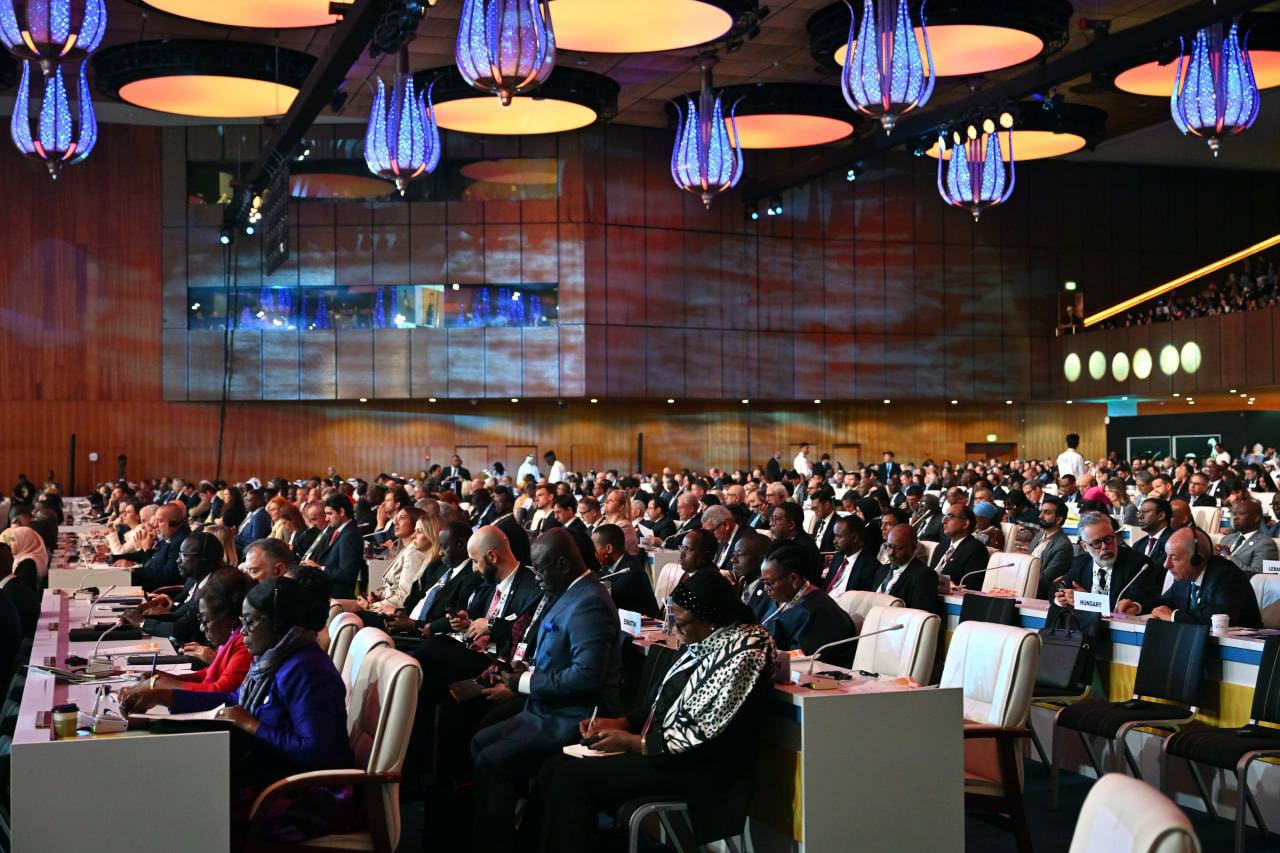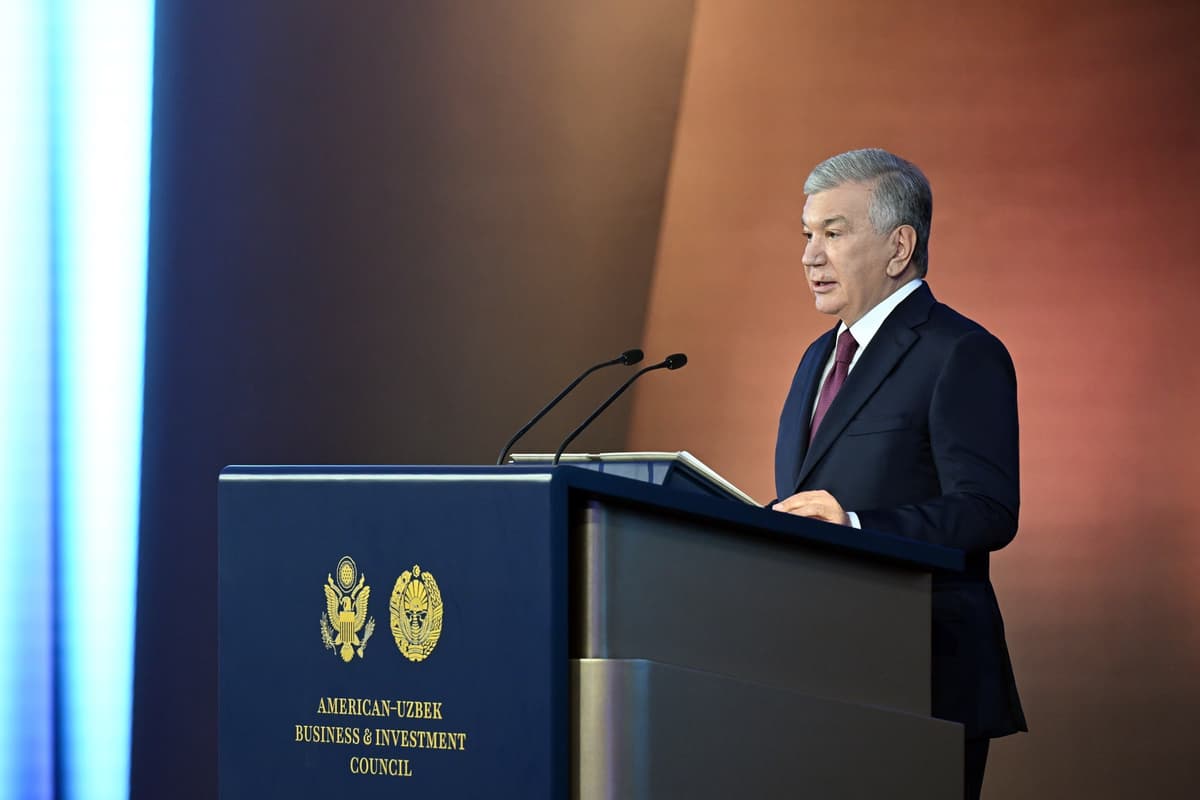
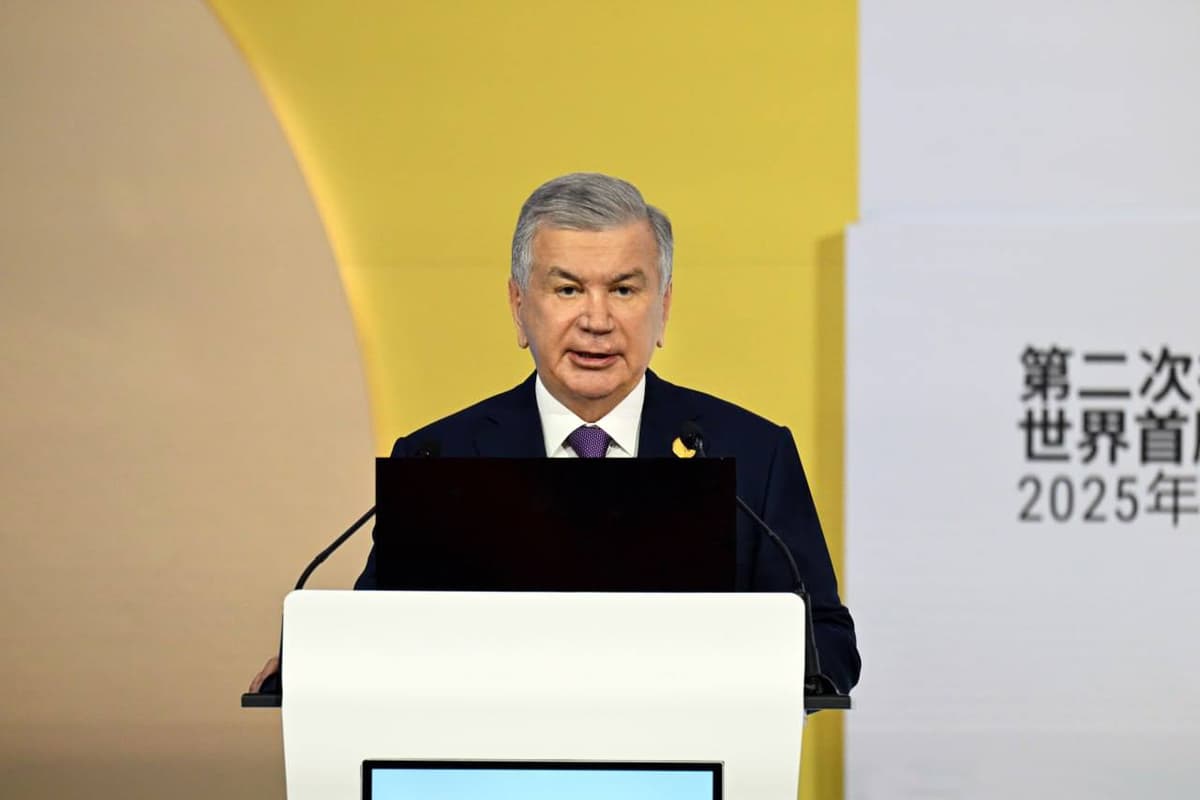
The event brought together UN Secretary-General António Guterres, Emir of Qatar Sheikh Tamim bin Hamad Al Thani, President of the UN General Assembly Annalena Baerbock, President of the UN Economic and Social Council Lachezara Stoeva, heads of state and government, as well as representatives of international and regional organizations.
In his remarks, President Mirziyoyev highlighted that the global community and national governments are joining efforts to promote social welfare and improve living standards. Uzbekistan, he said, fully supports all forms and initiatives of international cooperation aimed at achieving sustainable development.
“In recent years, we have managed to reduce the poverty rate from 35 percent to 6.6 percent. We will continue our reforms along this path,” the president noted.
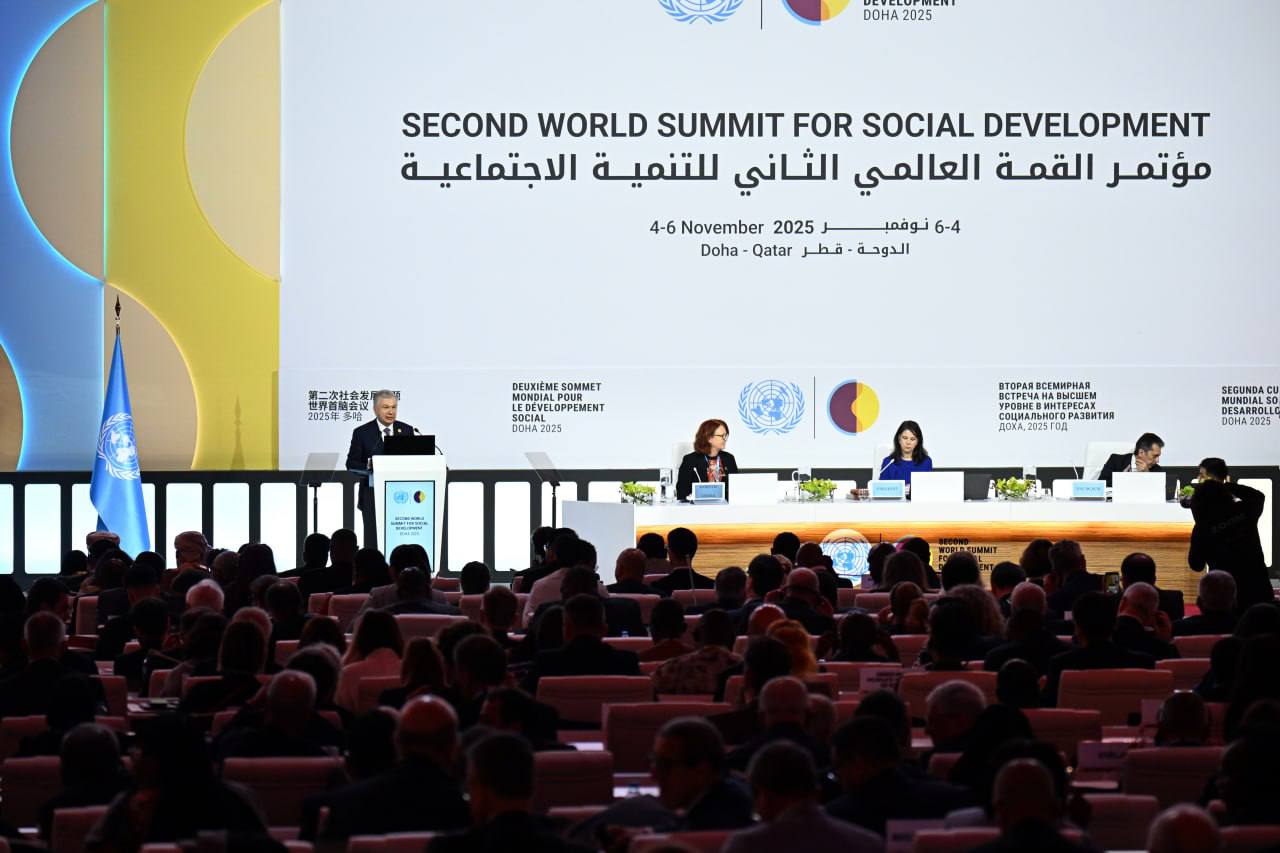
He put forward several proposals to strengthen global social justice and sustainable development, emphasizing the need to elevate international cooperation in poverty reduction to a new level.
“We believe the time has come to create a new financial architecture for combating poverty that would help channel more resources into social programs in developing countries,” he said.
In this context, President Mirziyoyev proposed the establishment of a Global Fund for Social Justice to provide practical support in reducing poverty and social inequality.
Addressing labor and technology challenges
The head of state also underlined the importance of introducing modern mechanisms to effectively address employment issues.
He noted that rapid advances in high technology and artificial intelligence are leading to job cuts worldwide. In such conditions, close cooperation between governments, businesses, and civil society is crucial to support workers and strengthen the principles of social partnership.
The president expressed hope that his proposal to develop a Global Initiative on Social Responsibility and Decent Work would gain broad support.
President Mirziyoyev also pointed to education as one of the most effective ways to tackle social challenges. Experts estimate that global illiteracy causes annual economic losses of around $1.4 trillion. This, he said, makes it harder for young people to find their place in society and the labor market, thereby worsening social inequality.