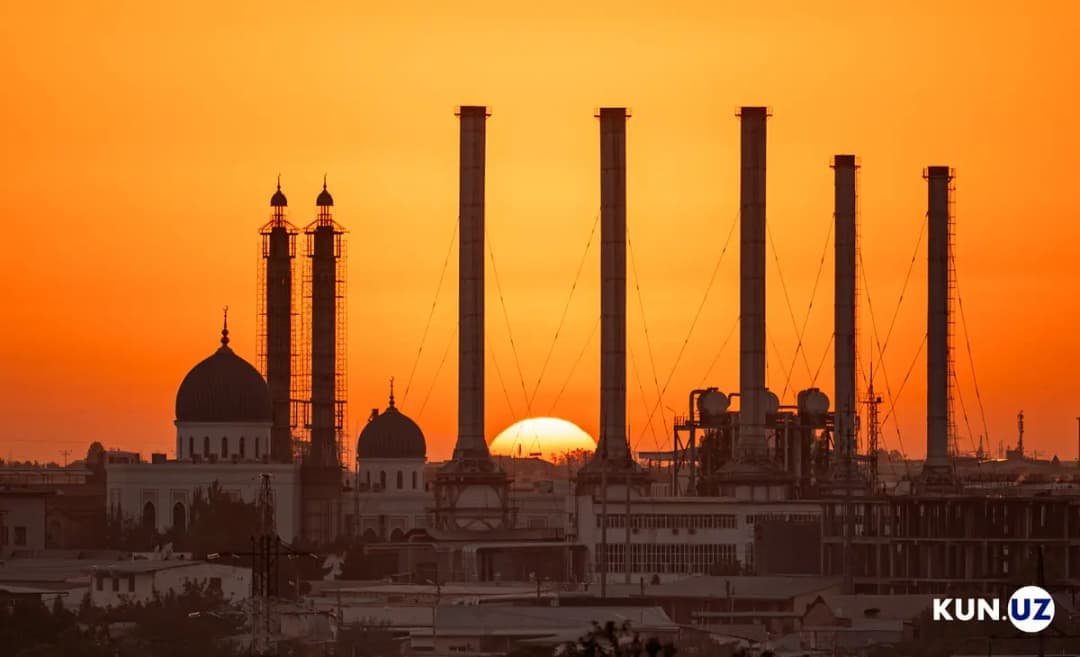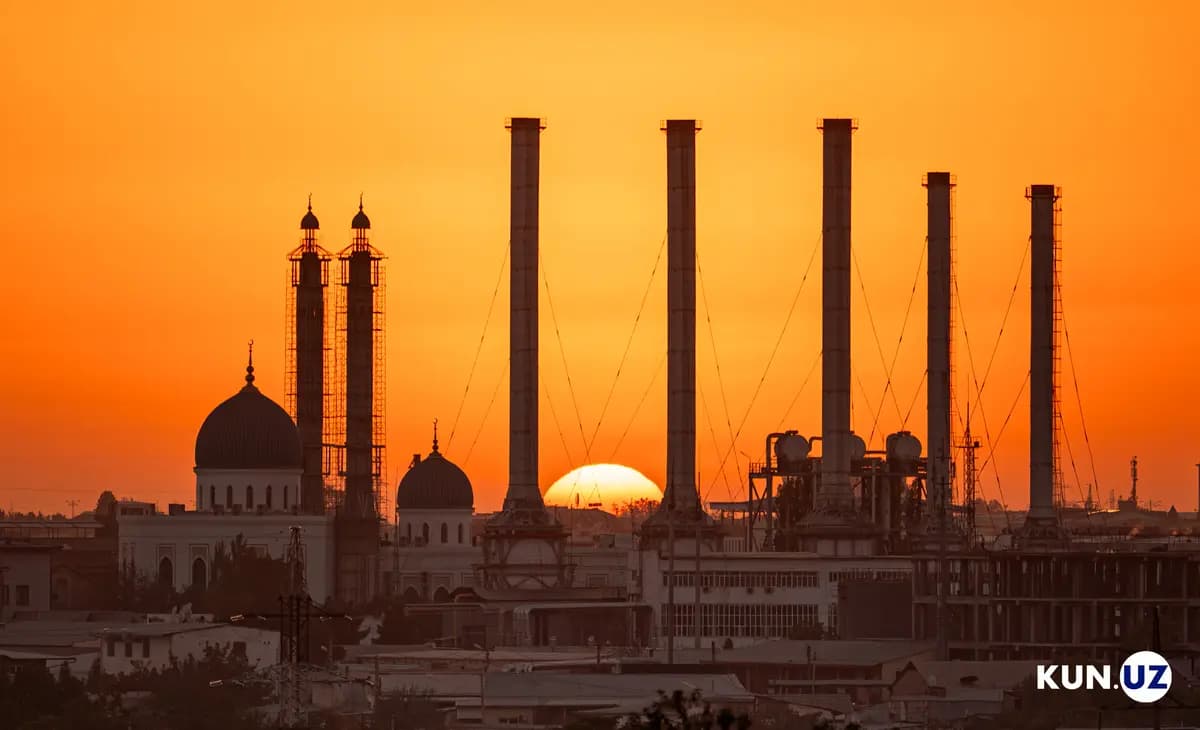
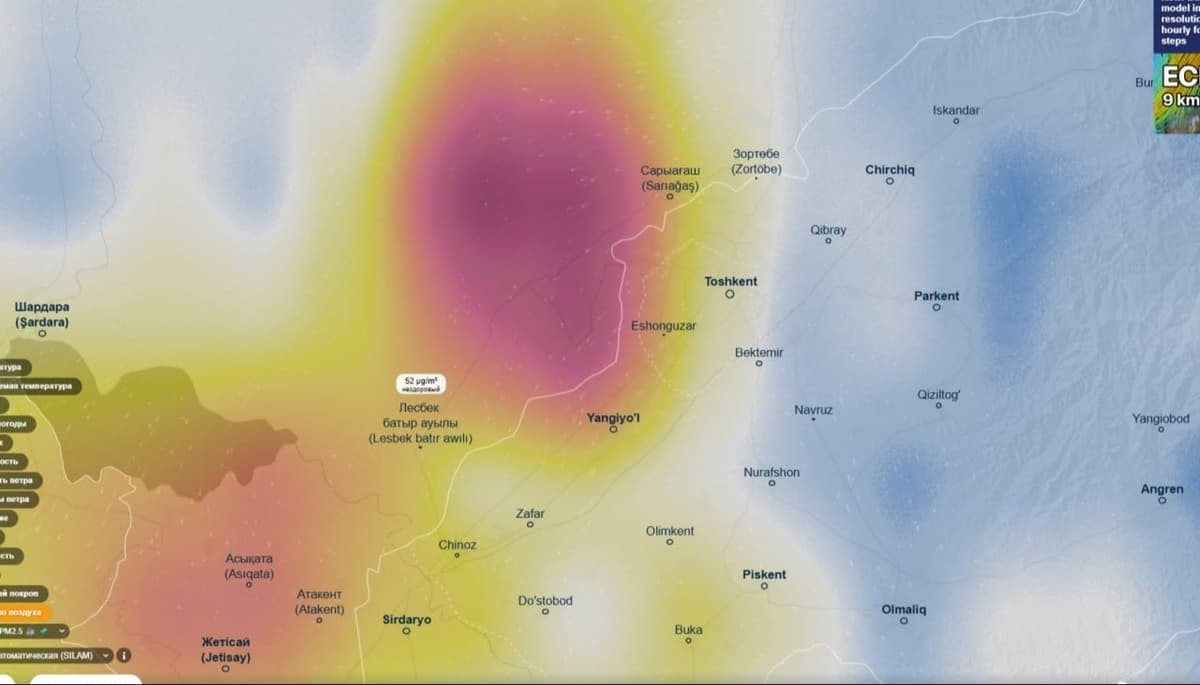
The phenomenon is reported to be especially pronounced in several regions of the country, including Tashkent city, as well as Samarkand and Jizzakh regions. As a result, the dispersion of harmful pollutants is slowing, creating unfavorable meteorological conditions.
What is inversion and why does it increase the risk of polluted air?
Under normal conditions, air temperature decreases with altitude. During an inversion, however, warmer air settles above cooler air near the surface. This creates a “lid-like” layer that prevents lower air masses from rising freely. As a consequence:
- emissions from vehicles, heating systems, industrial sources, and other factors can accumulate in the lower atmospheric layer;
- when winds are weak and air exchange is limited, air quality becomes highly variable and may deteriorate during certain hours.
When is the situation likely to be most noticeable?
Uzhydromet notes that inversion conditions tend to intensify mainly in the morning, evening, and nighttime hours. During these periods, restricted air circulation hampers the dispersion of pollutants.
In addition, weather forecasts indicate that fog and calm conditions may be observed in some areas, further increasing atmospheric stagnation near the ground.
Which pollutants may accumulate in the air?
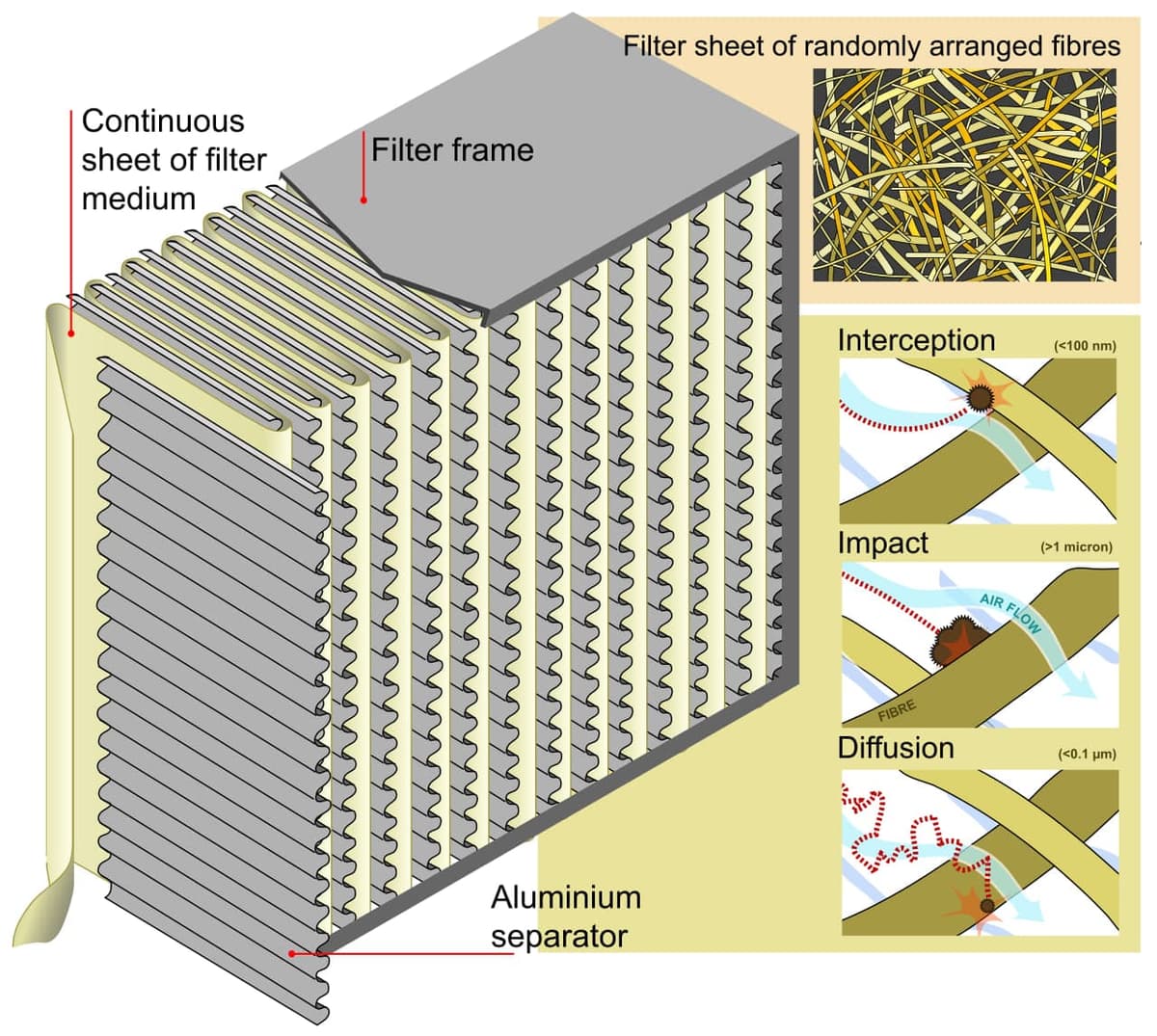
The report highlights that fine particulate matter, PM2.5 and PM10, may build up in the lower layers of the atmosphere, with concentrations potentially rising in certain areas.
For example, data from Uzhydromet’s automatic monitoring stations in Tashkent city show that PM2.5 levels have at times exceeded established standards.
How long is this expected to last?
Preliminary forecasts suggest that warmer temperatures and inversion processes may persist across the country through the end of the week.
Recommendations for the public
During inversion periods, air quality can change rapidly. The following basic precautions are advised: