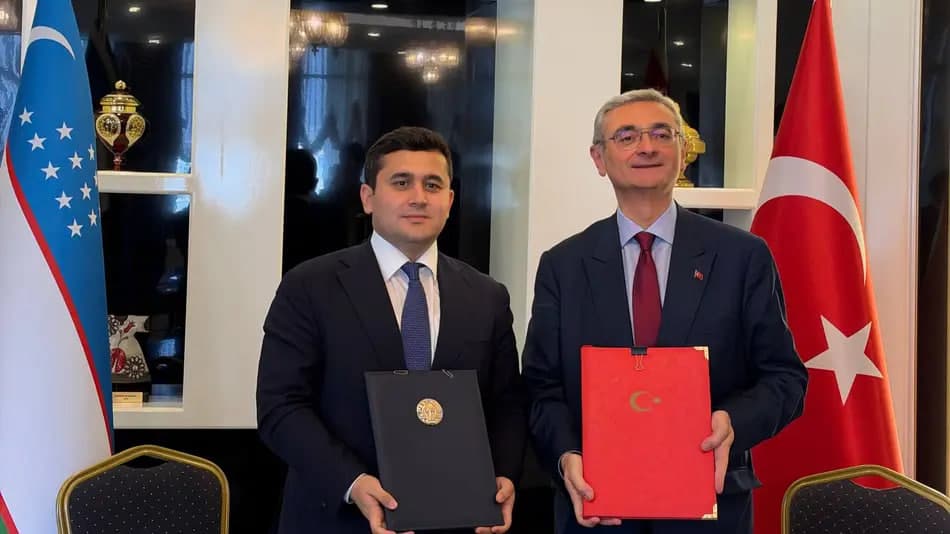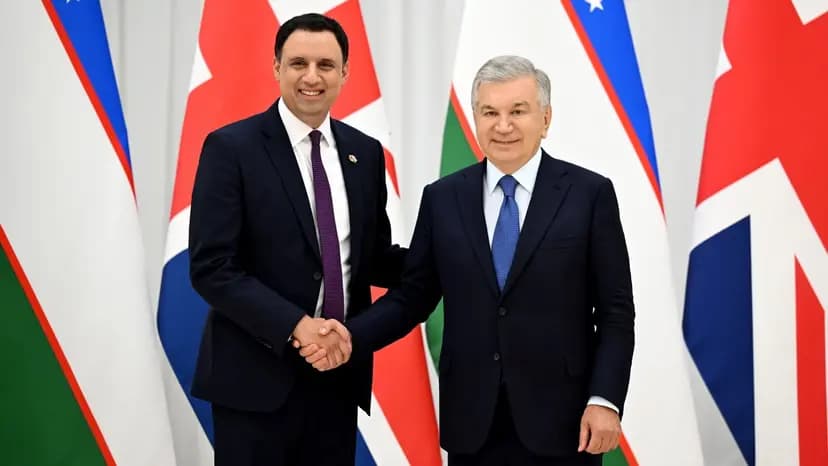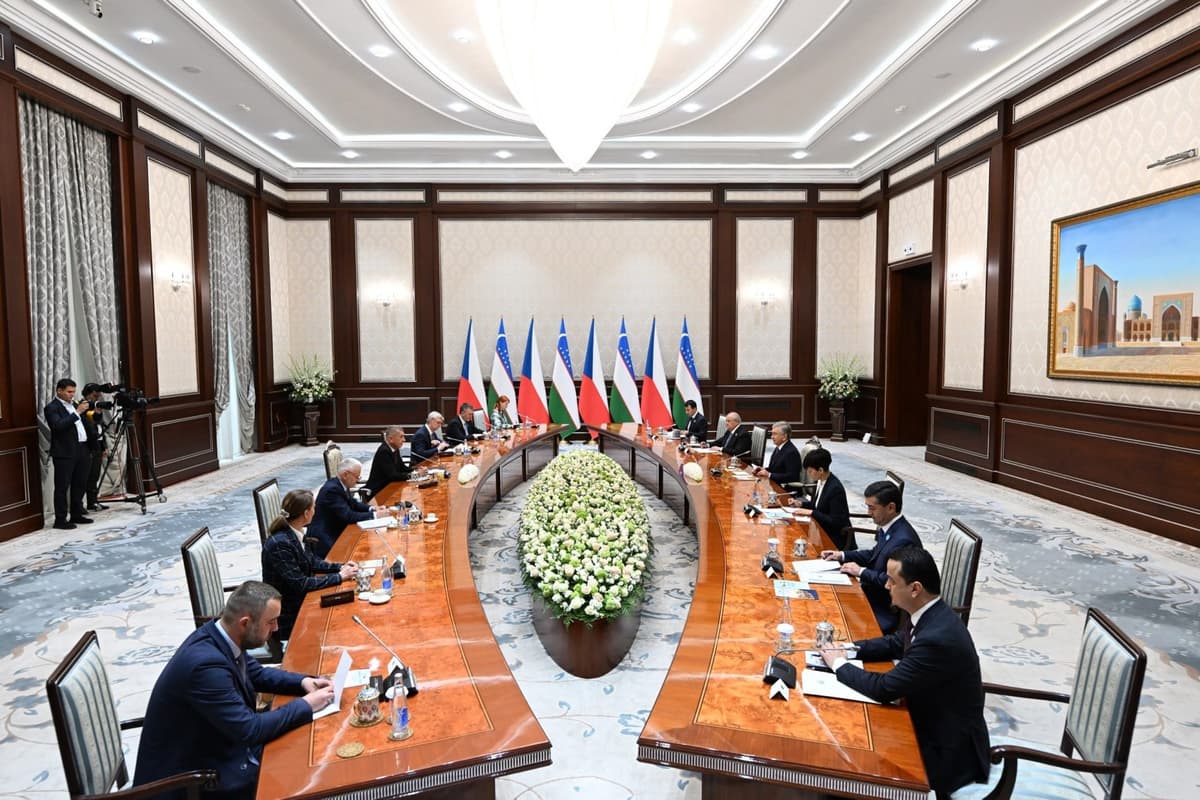
President Mirziyoyev described the visit as a breakthrough moment that would usher in a qualitatively new stage in the history of Uzbek-Czech cooperation. He noted that bilateral interaction has developed dynamically across all sectors, bolstered by close contacts between governments and ministries, active parliamentary friendship groups, and the effective work of the Intergovernmental Commission.
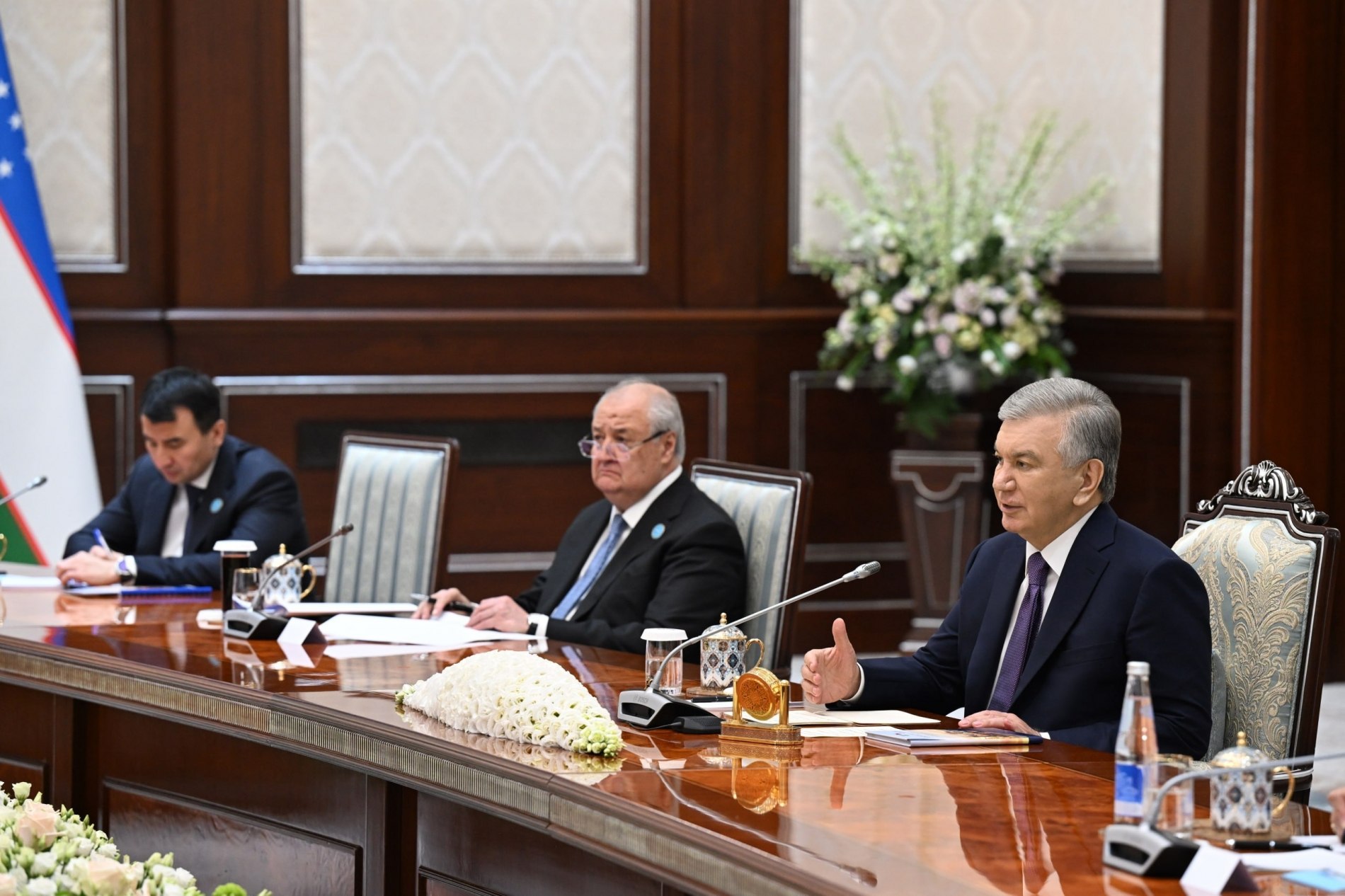
Economic cooperation remained a primary focus of the summit. Trade turnover between Uzbekistan and the Czech Republic has nearly doubled in recent years, with 37 joint ventures currently operating in Uzbekistan with Czech capital. To build on this momentum, the sides set an ambitious target to increase mutual trade to $1 billion by expanding the range of goods supplied.
Several strategic initiatives were announced to stimulate industrial and technological integration. Uzbekistan is set to open its first certification branch in the Czech Republic, while joint work is underway to construct a modern laboratory for the certification of Euro-6 standard vehicles. Furthermore, both sides agreed to develop a Program of Technological Cooperation involving leading Czech companies. This program will target projects in mechanical engineering, green energy, geology, chemistry, and the pharmaceutical industry.
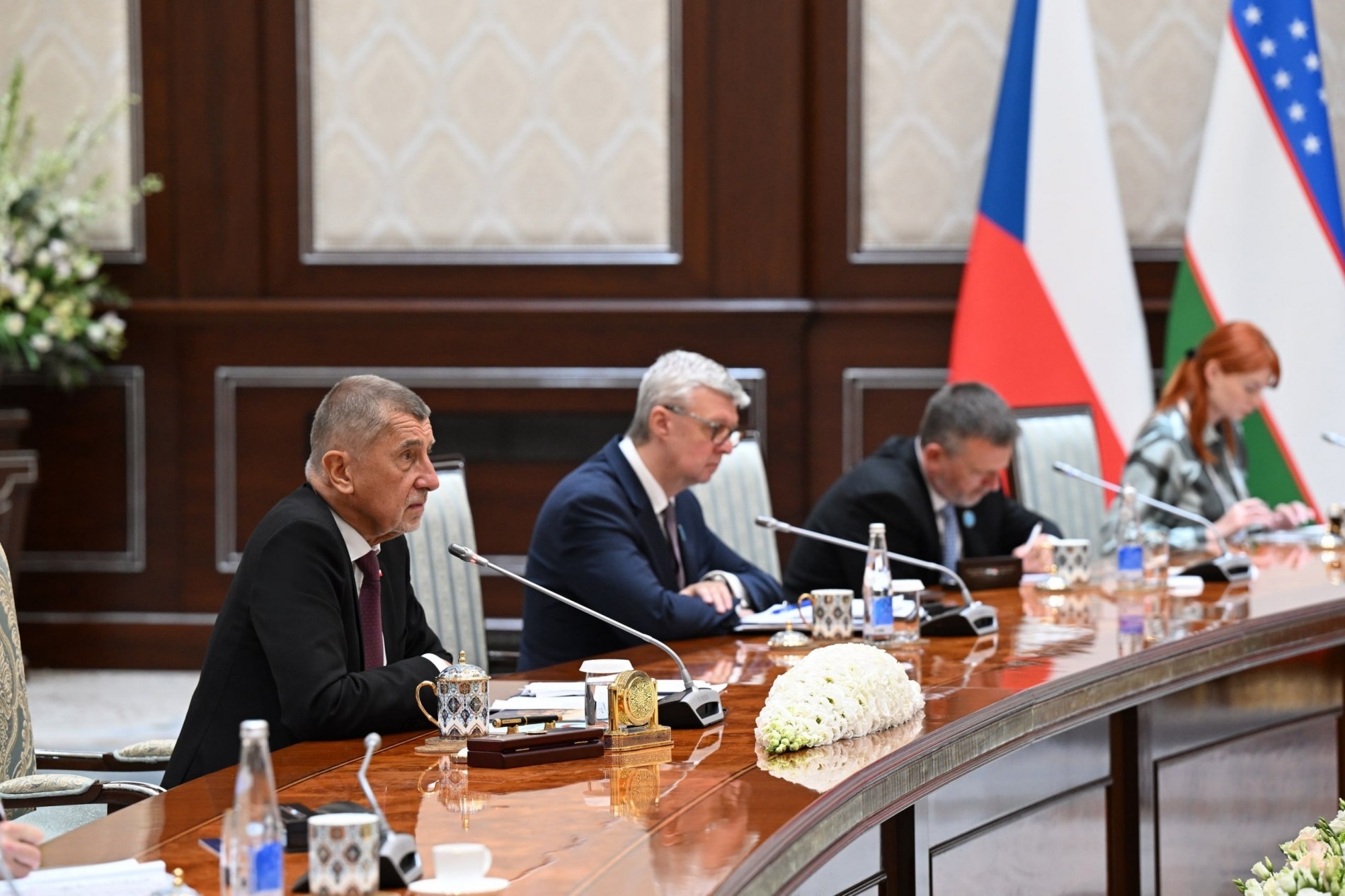
In a move to support these economic goals, the parties proposed the establishment of a Business Council and scheduled the next meeting of the Intergovernmental Commission for August in Tashkent. The Czech Export Bank and the Export Guarantee and Insurance Corporation (EGAP) also expressed their readiness to provide financial backing for projects within Uzbekistan.
The talks extended to the cultural and humanitarian spheres, where both parties confirmed an interest in expanding academic exchanges and dual-degree programs. To facilitate increased tourism and business travel, officials were tasked with finalizing the resumption of direct flights between Tashkent and Prague.
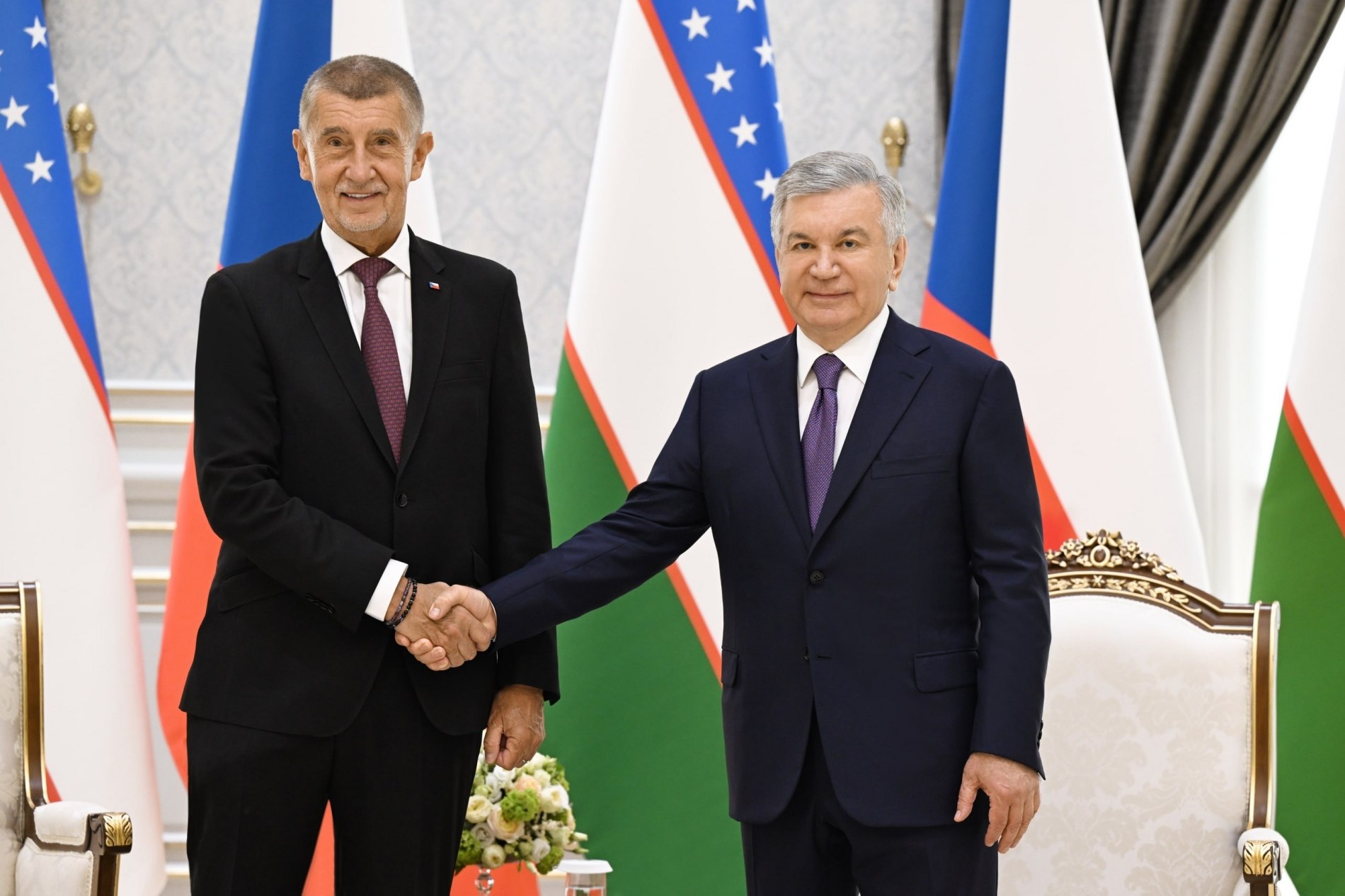
The parties also discussed cooperation in organized labor migration and exchanged views on pressing international issues. The meeting concluded with an agreement to prepare a comprehensive "road map" to ensure the timely implementation of all decisions reached during the visit.