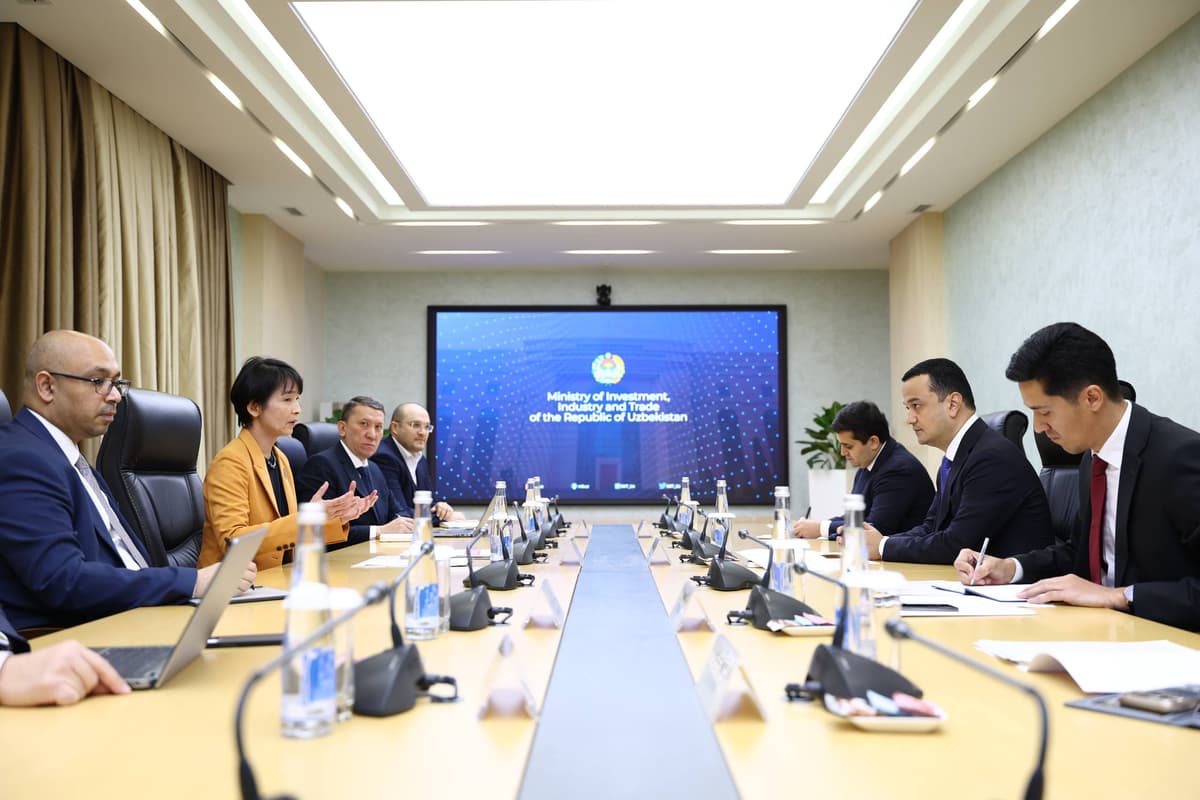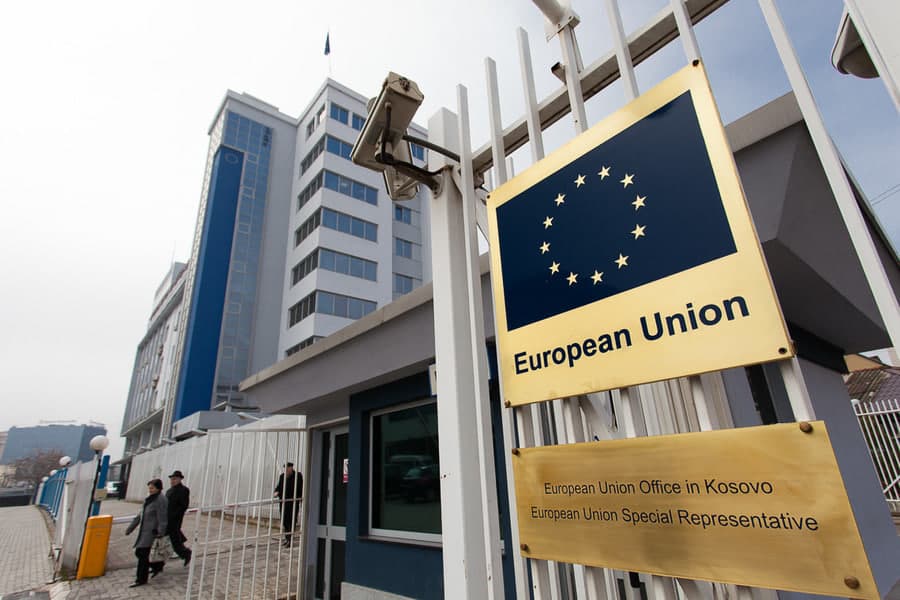
The meeting was held in Tashkent on November 4, bringing together government officials, business associations, international organizations and diplomatic missions. It was organized by the EU Delegation to Uzbekistan and the International Trade Centre (ITC).
One of the main topics was the EU’s new Generalized Scheme of Preferences (GSP) regulation, which will take effect on January 1, 2027. Participants also reviewed Uzbekistan’s use of existing trade preferences and discussed opportunities to further increase exports to the EU.
According to the EU Delegation, Uzbekistan has significantly increased its use of GSP+ preferences since becoming a beneficiary in 2021. In 2025, the utilization rate reached 90%, compared with the global average of 74%.
Renata Vrobel, Chargée d’Affaires of the EU Delegation to Uzbekistan, said that Uzbek exports benefiting from GSP+ preferences had grown nearly fivefold since 2021, reaching €448 million in 2024.
Five sectors identified for export growth
The discussions were based on findings from the EU-funded project Uzbekistan: Strengthening Trade Integration and Partnerships through GSP+ and the Country Platform, implemented by the International Trade Centre since January 2026.
As part of the project, a study titled Expanding Uzbekistan’s Opportunities to Benefit from the European Union’s GSP+ Scheme was prepared. It examines how businesses currently use trade preferences, identifies barriers to exports and offers recommendations for local companies.
The study covers five sectors with export potential: fertilizers, mineral products, electrical and mechanical equipment, textiles, and fruit and vegetables. Initial findings were presented at the meeting to discuss measures for improving the competitiveness of Uzbek products in the EU market.
Businesses were also introduced to a practical guide to exporting from Uzbekistan to the European Union under GSP+. It outlines the conditions for accessing trade preferences and the product requirements applicable in Uzbekistan and the EU.
New GSP rules to take effect in 2027