The proposals are outlined in a recent analytical report by the Institute of Fiscal Analysis and Reduction of the Hidden Economy under the Ministry of Economy and Finance. The document suggests gradually increasing the minimum wage to 40% of the median salary by 2030 and abandoning its use as the baseline for the state budget payroll.
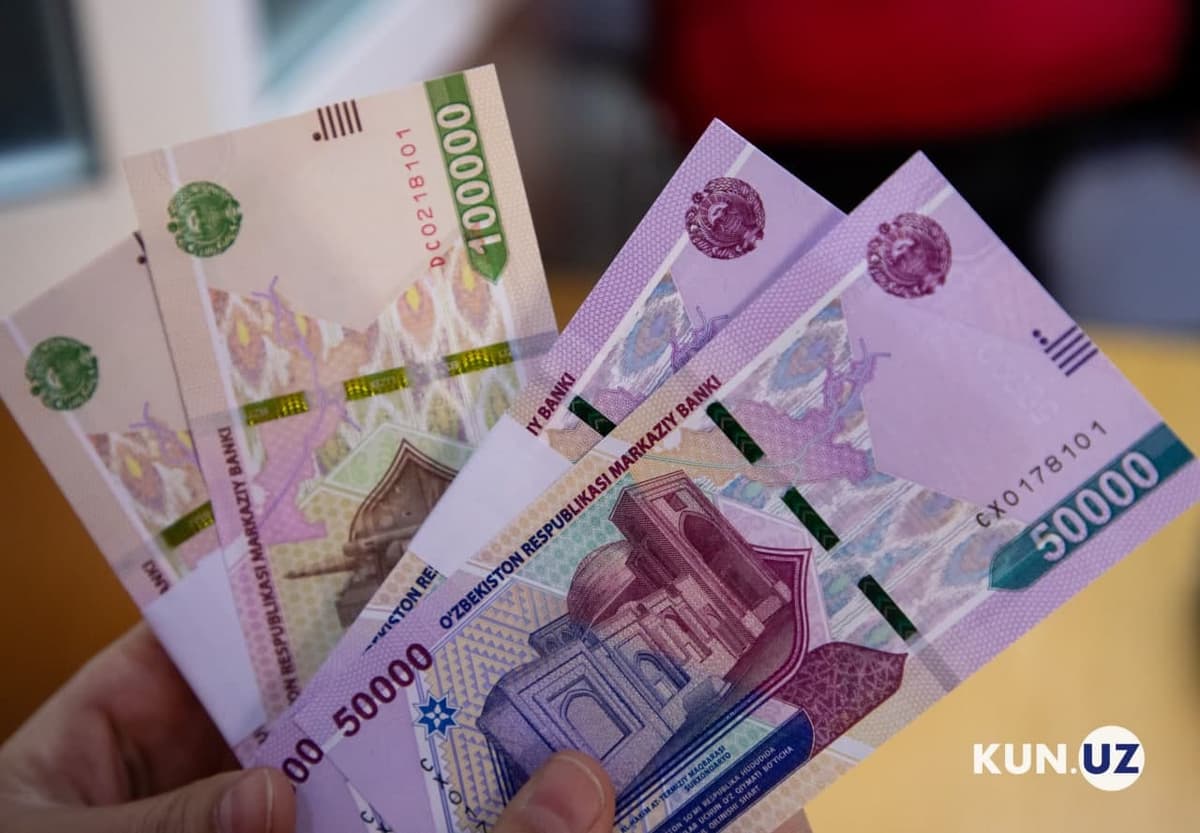
Currently, the minimum wage in Uzbekistan stands at UZS 1.271 million per month, or roughly $104. According to international databases, including WageIndicator, this figure remains low compared to other CIS countries. Kazakhstan’s minimum wage is around $180, while Russia and Belarus stand at approximately $295 and $265, respectively.
Furthermore, the ratio of the minimum wage to the median wage in Uzbekistan is about 24%. In international analytical practice, particularly within the European Union and the OECD, a range of 40–60% is widely used to evaluate the adequacy of minimum pay. The report authors propose a gradual increase to reach the 40% threshold by 2030. Reaching this target based on the current median wage of roughly UZS 5.3 million would require raising the minimum wage to nearly UZS 2.1 million – 1.7 times higher than the current level. However, experts emphasize that this must be done carefully to account for income dynamics and labor market conditions.
Under the current model, the minimum wage acts as both a social guarantee and the foundational calculation base for public sector salaries, which are tied to the Unified Tariff Scale. Consequently, any increase in the minimum wage directly expands the public sector payroll, causing an automatic surge in state budget expenditures. Since public sector wages account for 42–45% of total budget spending, the minimum wage level is heavily restricted by fiscal constraints rather than purely social criteria.
To resolve this, the institute suggests an institutional separation of these functions. The proposal advises abandoning the minimum wage as an indicator for calculating the public sector payroll and introducing an independent basic tariff rate instead. This would allow the government to raise minimum social guarantees for workers without automatically triggering a proportional increase in all budget-related expenditures.
Another key recommendation is the introduction of regional and sectoral differentiation. The labor market in Uzbekistan shows stark regional disparities in income and living costs, with the average salary in Tashkent often 1.5–2 times higher than in other regions. A uniform minimum wage may not accurately reflect real expenses in the capital, while potentially imposing an excessive burden on employers in economically slower regions. To adapt to local conditions, researchers suggest tailoring the minimum wage geographically. Additionally, an experimental 30% increase to the minimum wage is proposed for the construction, retail, and catering sectors, where working conditions, hours, and income levels differ significantly from other industries.