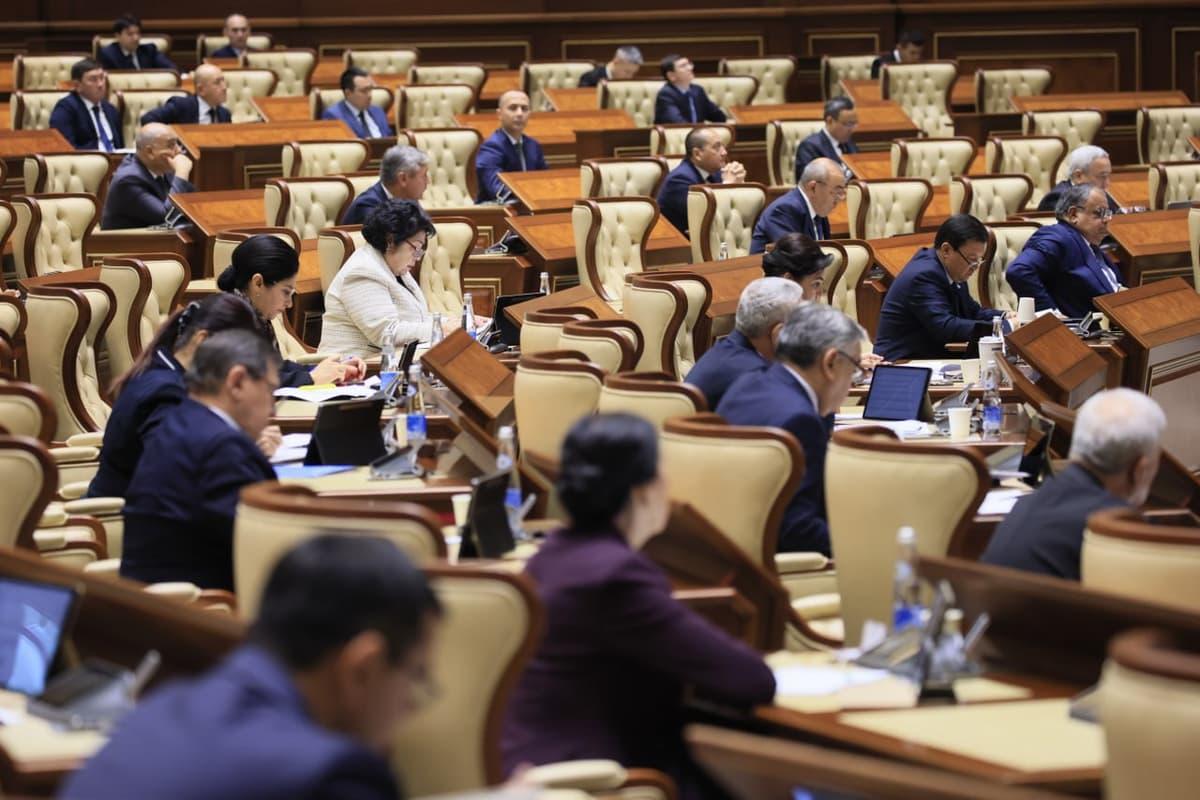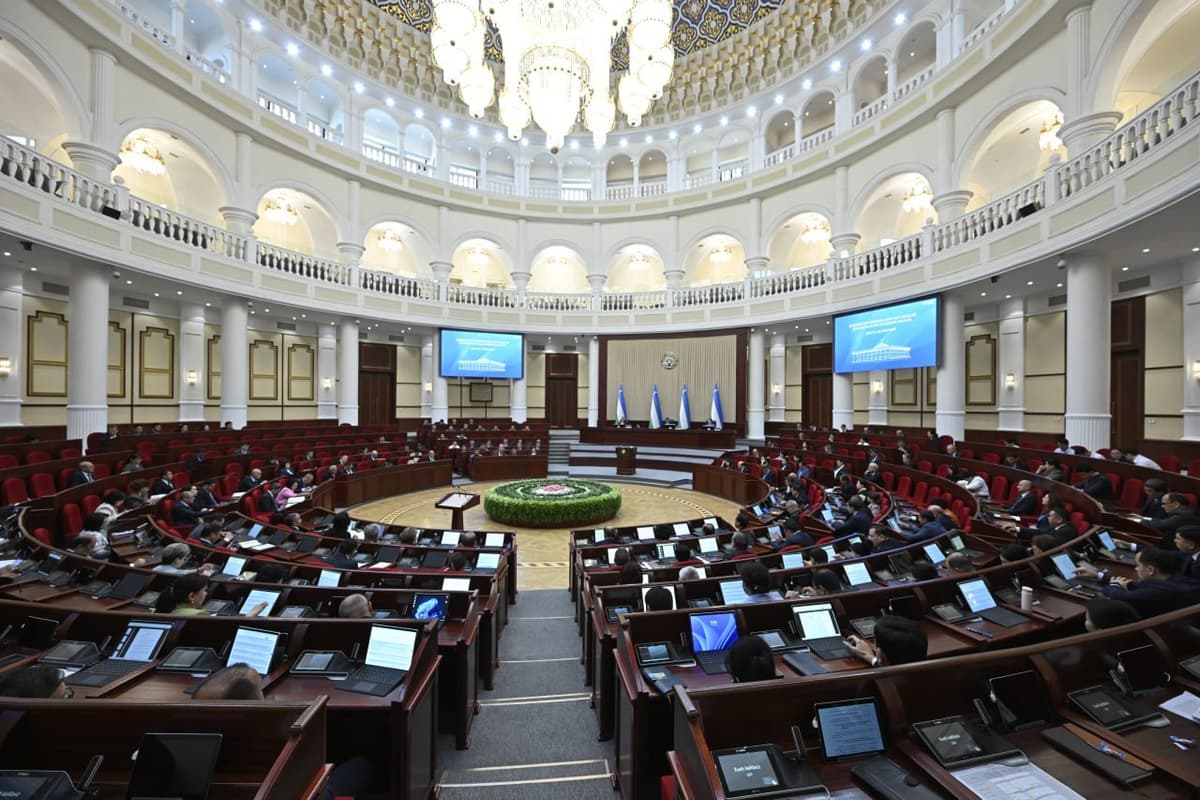
The proposal was announced during a public hearing on July 28, where the agency presented the results of its review of decisions marked as "hidden" in the government's E-qaror electronic decision-making system during the first half of 2026.
According to the agency, it reviewed 19,495 decisions and executive orders classified as "hidden" between January and June. Inspectors found that 775 had been withheld from public disclosure without legal grounds. In response, the agency issued 42 formal recommendations requiring local authorities to publish the documents.
Jurabek Beshimov, an official at the Anti-Corruption Agency, said the number of non-public decisions had declined since the agency introduced a monitoring system.
The sharpest decline was recorded in Tashkent city, where the number of classified decisions fell by 13%. The figure dropped by 6% in Fergana region; by 5% in Surkhandarya and Andijan regions; and by 4% in Bukhara and Namangan regions, as well as the Republic of Karakalpakstan.
Beshimov said the agency had also issued repeated recommendations to organizations that failed to comply with transparency requirements, resulting in the publication of 648 previously concealed documents.
Fewer decisions concealed from public disclosure
Anti-Corruption Agency Director Akmal Burkhanov dismissed criticism on social media that the agency's recommendations lacked legal force, saying they impose specific obligations on government bodies.
"A recommendation is not merely a notification that we have identified a hidden decision. It requires the organization to explain why the decision was classified, publish it within the prescribed timeframe and take disciplinary action against the responsible employee. The organization must also report back to the agency within 10 days on the measures taken," he said.
According to Burkhanov, every recommendation issued by the agency has been implemented.
"First, the classified documents were made public. Second, appropriate measures were taken against those responsible for each improperly classified document. Under current legislation, such cases are generally addressed through disciplinary action or other measures imposed by supervisors," he said.
Burkhanov added that the overall number of decisions withheld from public disclosure had fallen significantly since the agency was granted oversight powers in this area earlier this year.