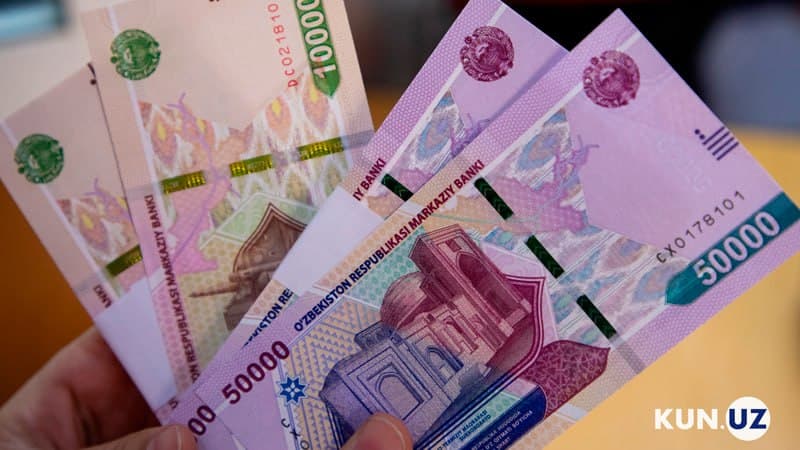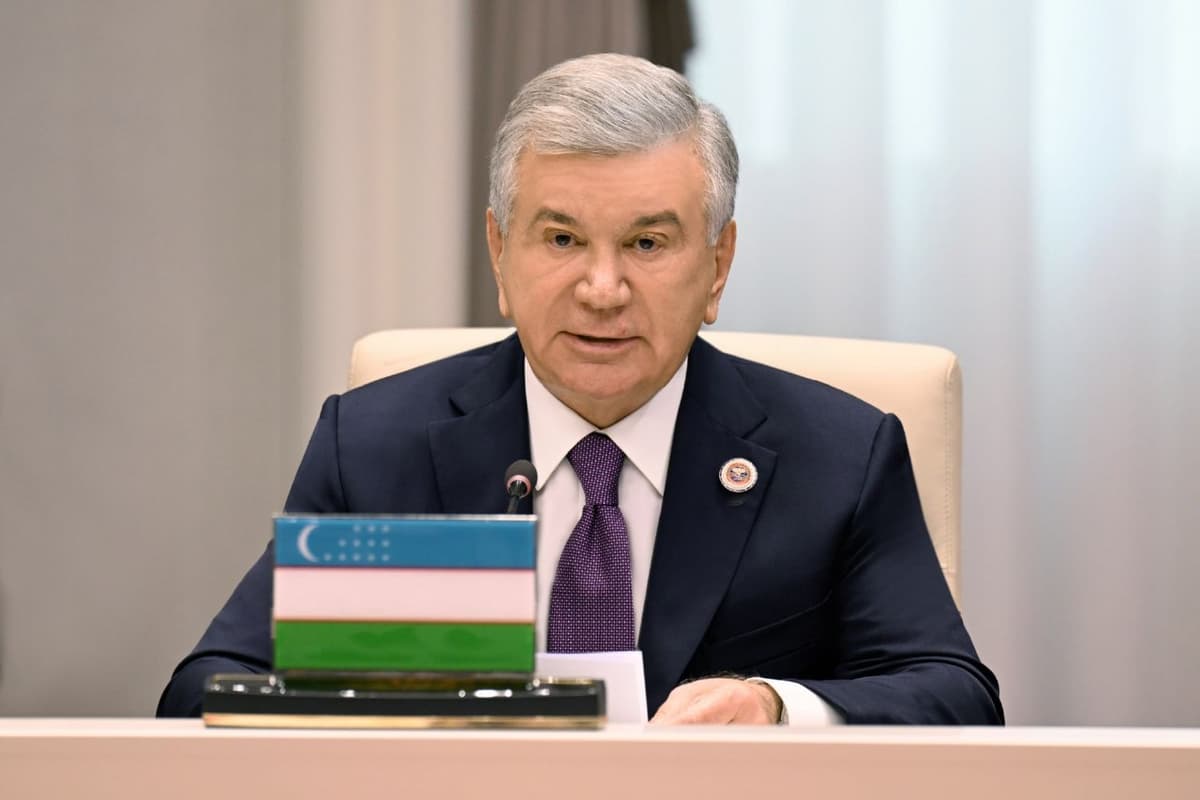

The regulator said the pace of disinflation has slowed in recent months. It attributed persistent price pressures to supply-side factors and external economic conditions, while noting that domestic demand continues to grow at a robust pace.
"The Board of the Central Bank considered it necessary to maintain tight monetary conditions to achieve the 5% inflation target amid strong domestic demand, the secondary effects of energy tariff adjustments, and uncertainty in the external economic environment," the bank said.
Annual inflation accelerated to 6.4% in June, driven primarily by higher regulated energy tariffs and the liberalization of coal prices, according to the Central Bank. Core inflation stood at 5.7% and has remained broadly stable in recent months, although the regulator warned that the secondary effects of regulated price increases could spread to more persistent components of inflation during the second half of the year.
At the same time, inflation expectations continued to decline. In June, households expected inflation of 10.1%, while businesses projected it at 9.9%.
The Central Bank also left its year-end inflation forecast unchanged at 6.5%.
Economic activity remains strong, the regulator said. Uzbekistan's real GDP expanded by 8.5% in the first half of the year, supported by continued growth in retail trade, services and investment, reflecting resilient domestic demand.
The Central Bank expects the economy to grow by 7.5–8% this year, supported by continued investment inflows, including foreign direct investment, as well as higher government spending in the second half of the year.
Among the key external risks, the regulator highlighted geopolitical tensions, the possibility of higher global food and commodity prices, fuel supply disruptions in trading partner countries, and rising logistics and transportation costs. These factors, it said, could add to inflationary pressures through higher import prices.
The Central Bank stressed that current monetary conditions remain sufficiently tight to contain inflationary pressures stemming from strong domestic demand and to limit the secondary effects of tariff increases. It also noted that positive real interest rates continue to encourage household savings and contribute to more moderate lending growth.