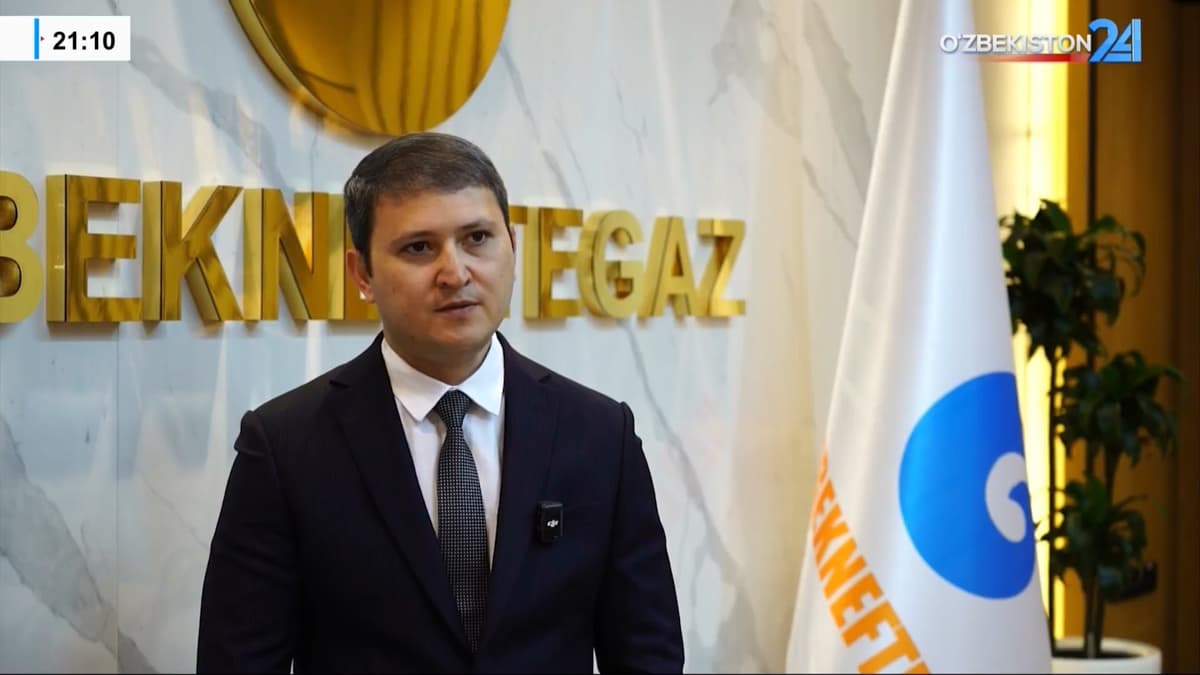
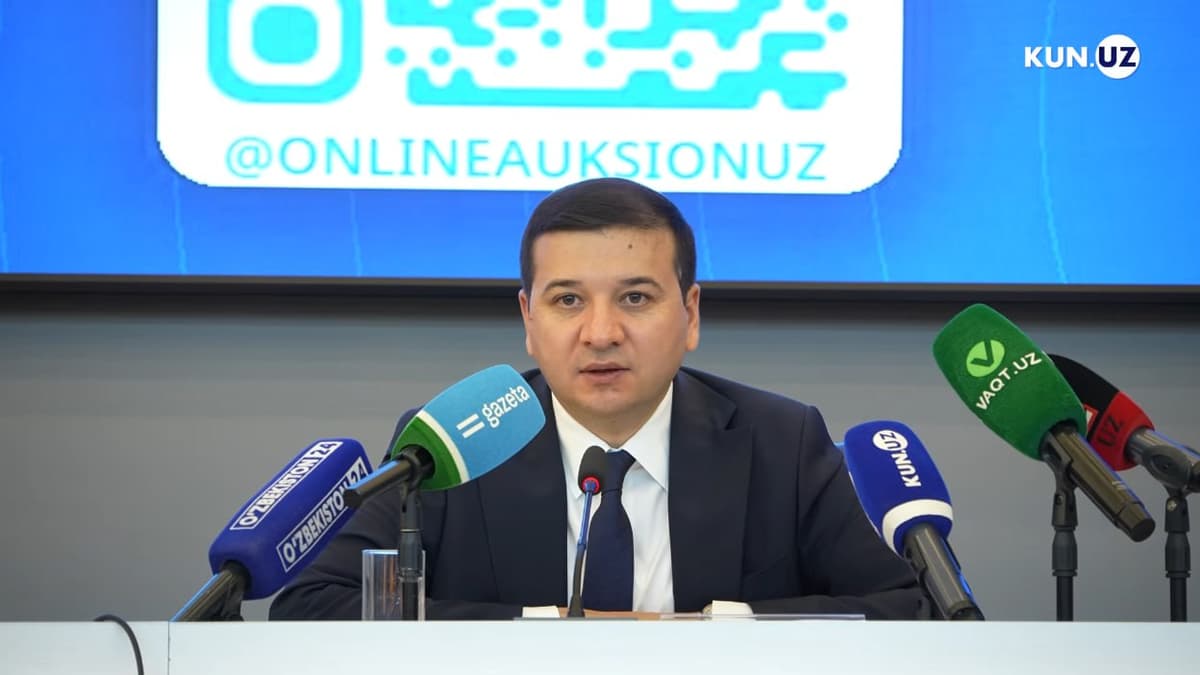
Speaking at a press conference on October 8, Murodov was asked why the fields had been granted to the private company without open auctions or tenders. He stressed that the fields themselves had not been privatized – Saneg had received only licenses granting the right to use the subsoil.
“Oil fields remain natural resources and are not privatized or transferred to private individuals. What is granted is the right to use the subsoil, in the form of a license. Such licenses have also been issued to other companies,” Murodov said.
He cited Cabinet of Ministers Resolution No. 133, dated March 25, 2022, which established procedures for granting subsoil-use rights. Under the earlier system, a license could be issued to the first applicant to pay the prescribed fee, calculated according to the characteristics of the subsoil area.
The licensing system subsequently changed, with licenses for hydrocarbon resources gradually being transferred to an auction-based mechanism in 2023–2024, Murodov said.
The agency director did not specify how many licenses had been revoked, which fields were affected, when the decisions were made or how many subsoil areas remain under Saneg’s control.
According to Murodov, the Ministry of Geology is developing measures to ensure the fields are used more effectively. Saneg’s website has listed 103 oil and gas fields for which the company holds licenses for geological exploration and extraction, although the current status of those licenses following the announcement remains unclear.