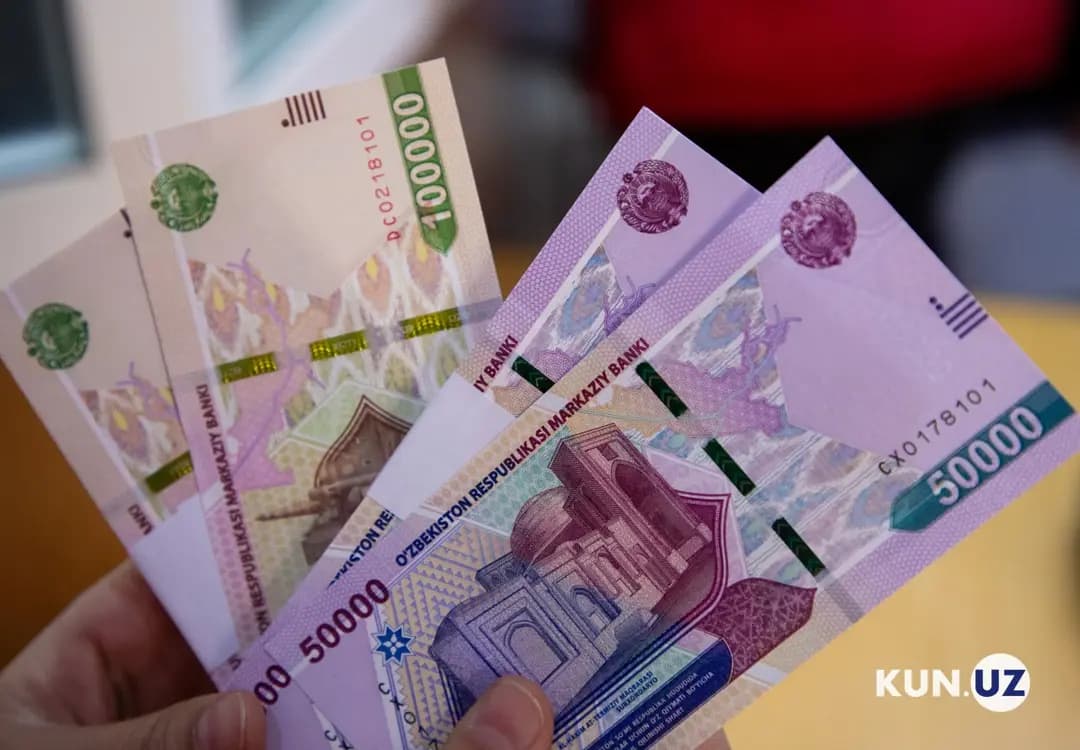
The dollar’s official exchange rate has also risen to its highest level since July 31.
Global dollar strength adds to pressure on the soum
The dollar has strengthened against most major currencies in October. Of the 39 currencies analyzed by Kholboev, 26 have weakened against the dollar, while only eight have appreciated. The Uzbek soum is among those that have lost ground.
Kholboev linked the dollar’s global strength to expectations of higher US interest rates, including the possibility of another increase by the Federal Reserve at its October meeting. Rising inflation in the United States could reinforce expectations of tighter monetary policy, adding further support to the dollar.
However, he cautioned that the dollar’s broader rally may not fully account for the soum’s recent decline, suggesting that domestic factors could also be at play.
Debt repayments and seasonal remittances may be contributing
One possible explanation is a temporary surge in demand for foreign currency due to one-off debt repayments or other obligations by the government or private sector at the end of the third quarter. Kholboev said such payments could have boosted short-term demand for dollars, although no data are currently available to confirm this hypothesis.
Exchange rate dynamics may also be a factor. The soum’s real exchange rate began appreciating in May. Kholboev suggested that the Central Bank may have delayed foreign exchange interventions intended to absorb excess liquidity to avoid weakening the competitiveness of domestic producers in international markets.
He also pointed to a decline in gold exports compared with last year. Lower gold export volumes may have reduced the Central Bank’s ability to sterilize liquidity through foreign exchange operations.
Seasonal changes in remittances could add to the pressure. Money transfers from abroad typically begin to slow after the summer, potentially reducing foreign currency inflows and contributing to the soum’s depreciation.
Economist sees no clear signs of prolonged depreciation
Kholboev said a flexible exchange rate allows the soum to adjust to domestic and external shocks, including stronger import demand and slower remittance inflows. He argued that such adjustments can be beneficial, as the Central Bank does not target a specific nominal exchange rate.