Another serious problem has appeared in front of Uzbekistan, which is already struggling with problems such as water shortage, drought and desertification.
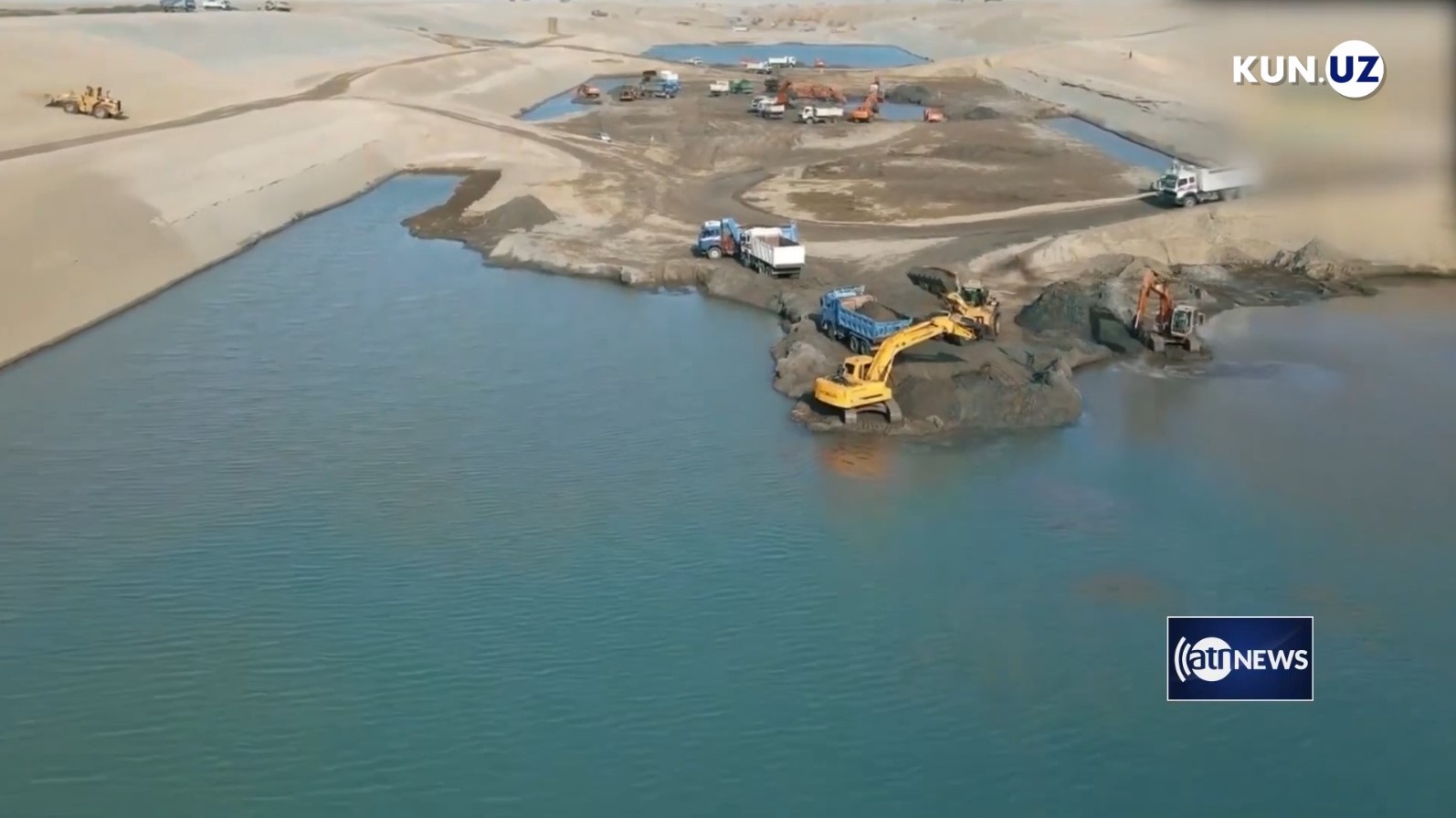
On March 31, 2022, the Taliban government presented a project for the construction of a large canal in the north of the country. According to it, the Kushtepa canal, which starts from the Amudarya, is being built in the territory of Balkh province.
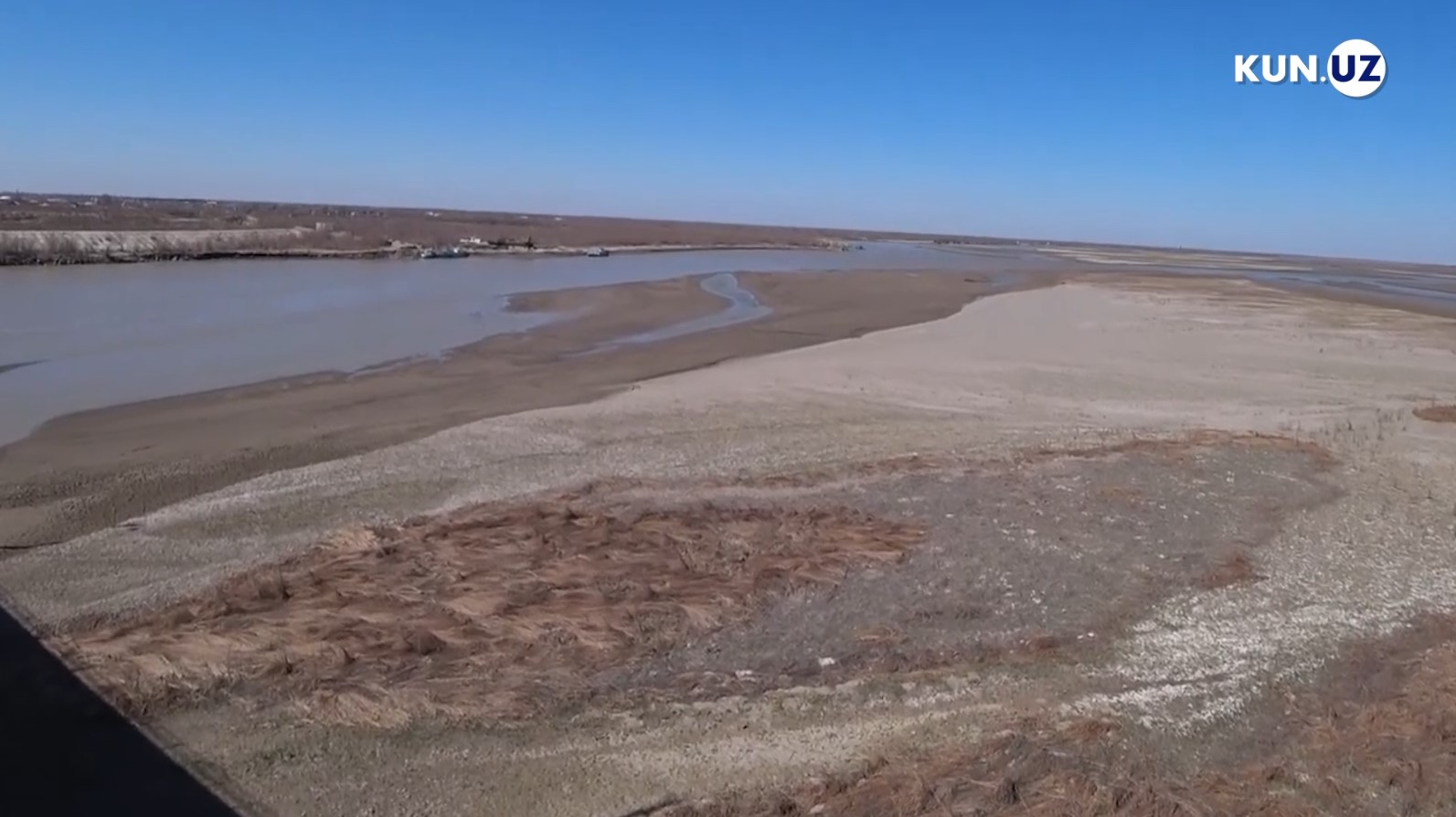
In less water years, Amudarya water drops to 34 cubic kilometers. If this canal is completed, almost 10 cubic kilometers, that is, a third of the river’s water, will flow into the interior of Afghanistan. This can create serious consequences for Khorezm, Bukhara, Surkhandarya and Navoi regions, as well as the Republic of Karakalpakstan and Turkmenistan.
Kun.uz spoke to Doctor of Agricultural Sciences, Professor Usman Norkulov, political scientists Kamoliddin Rabbimov and Sukhrob Buronov about this major problem faced by Uzbekistan and the situation in Afghanistan in general, the complications that have arisen in the relations between the interim government there and the government of Uzbekistan. One can watch the full interview at this link.
In this material, we would like to draw your attention to the information given in the analytical article published some time ago by journalist Natalya Shulepina about how the construction of the Kushtepa canal will affect Amudarya and neighboring countries.
First of all, it should be noted that Afghans aim to develop agriculture in the three northern provinces through the canal under construction.

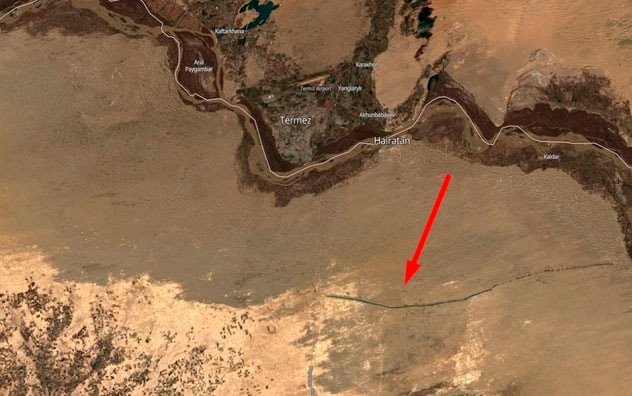
The canal starts from the part of Amudarya that passes through Kaldar district of Balkh province. The project is implemented by the National Development Company of Afghanistan at the expense of state funds.
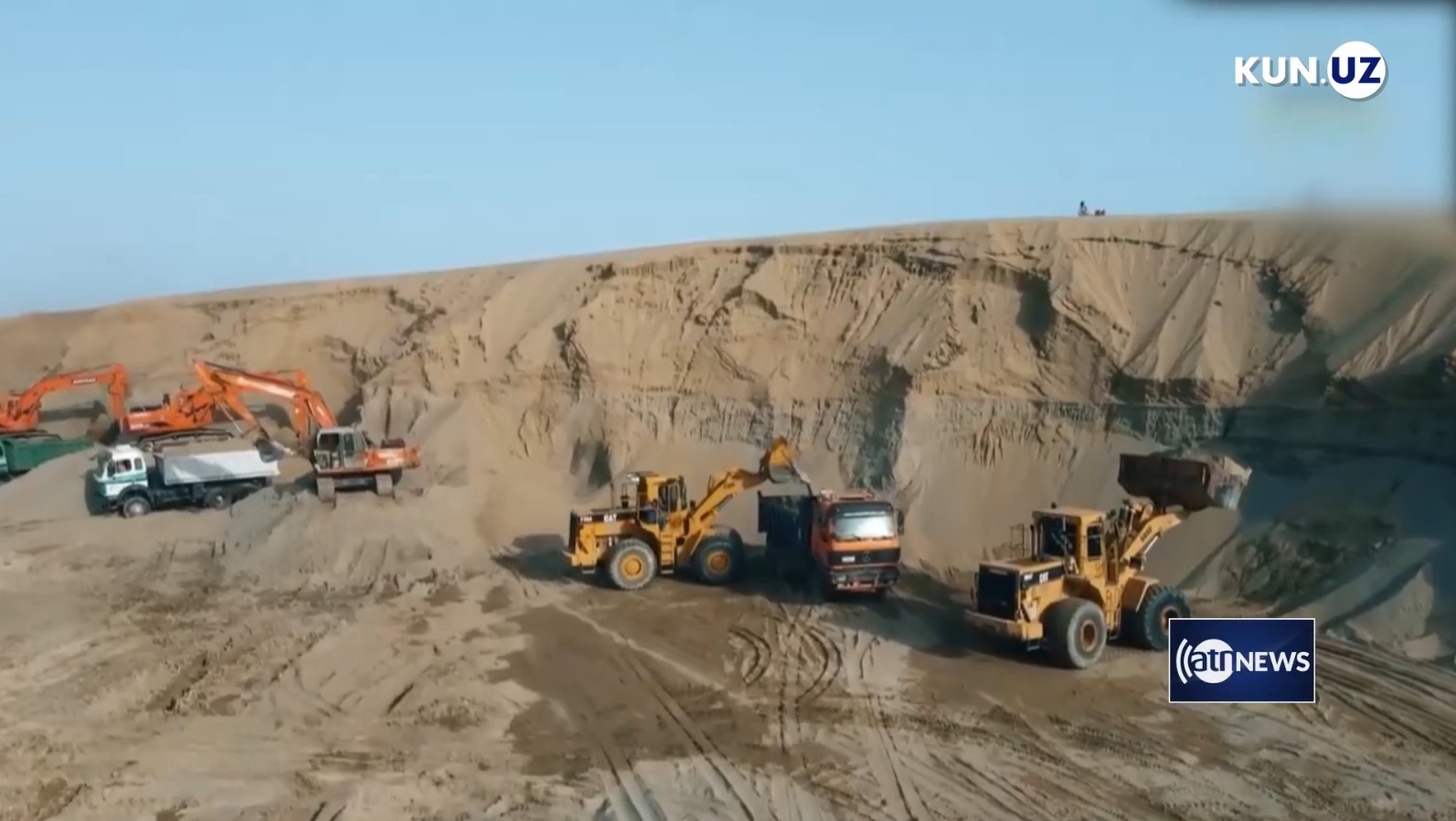
It is known that the length of the channel is 285 kilometers. The cost of the project is estimated at $684 million. The canal is 100 meters wide and 8.5 meters deep. From March 2022, active construction works are being carried out with the participation of up to 4 thousand people.
As the article notes, the section completed by November of last year was about 40 kilometers long.