Uzbekistan Becomes a Solid Foundation for the Development of World Science, Culture and Art
|04:31 / 18.05.20178,28412 min
The Congress has adopted a resolution on the need to establish the World Scientific Society for Study, Preservation and Popularization of Cultural Legacy of Uzbekistan
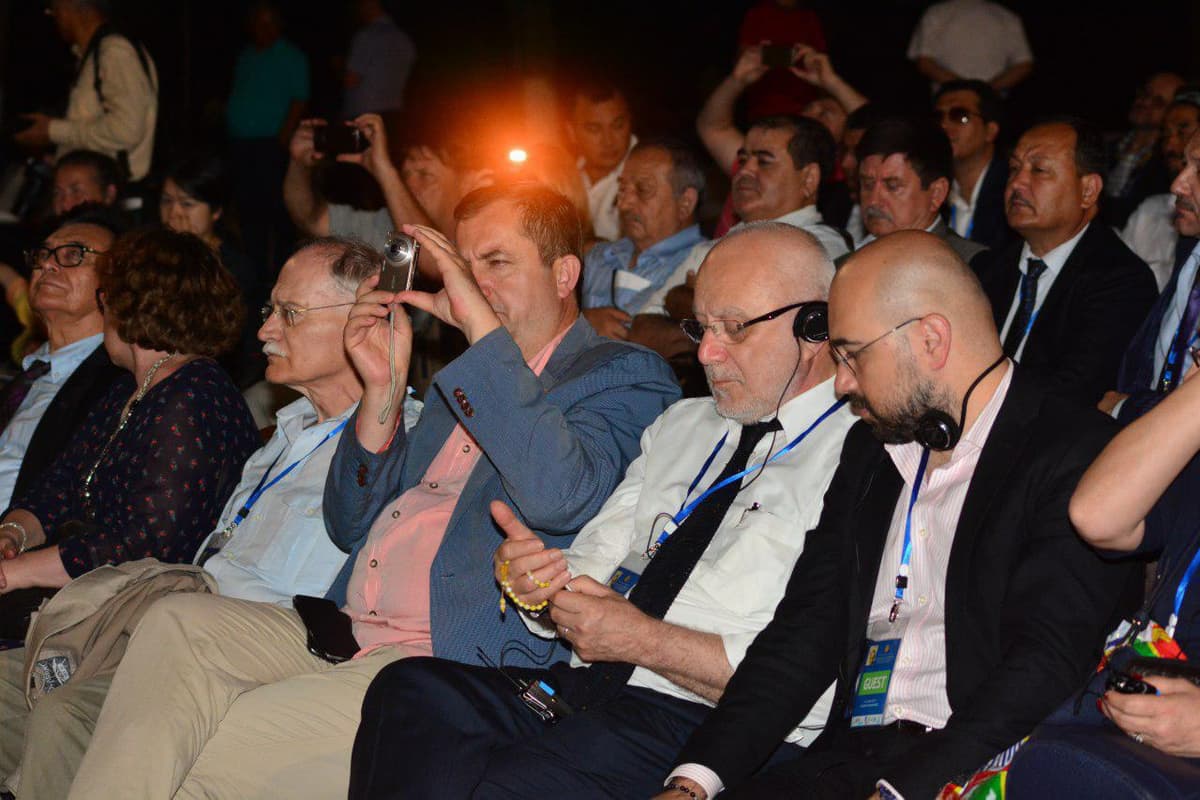
The international congress ‘The Cultural Legacy of Uzbekistan as the Path to Dialogue between Peoples and Countries’ has finished its work. Within two days, May 15-16, Tashkent and Samarqand became a major dialogue platform for 370 participants from 40 countries, where scientists shared the latest achievements and discoveries in archeology, numismatics, history, applied arts, and others.
During the forum, participants repeatedly noted the importance of preserving and popularizing the cultural legacy and expressed special gratitude to the President of the Republic of Uzbekistan Shavkat Mirziyoyev for attention and care to one of the most important aspects of modern life - the historical past and the cultural legacy of the country.
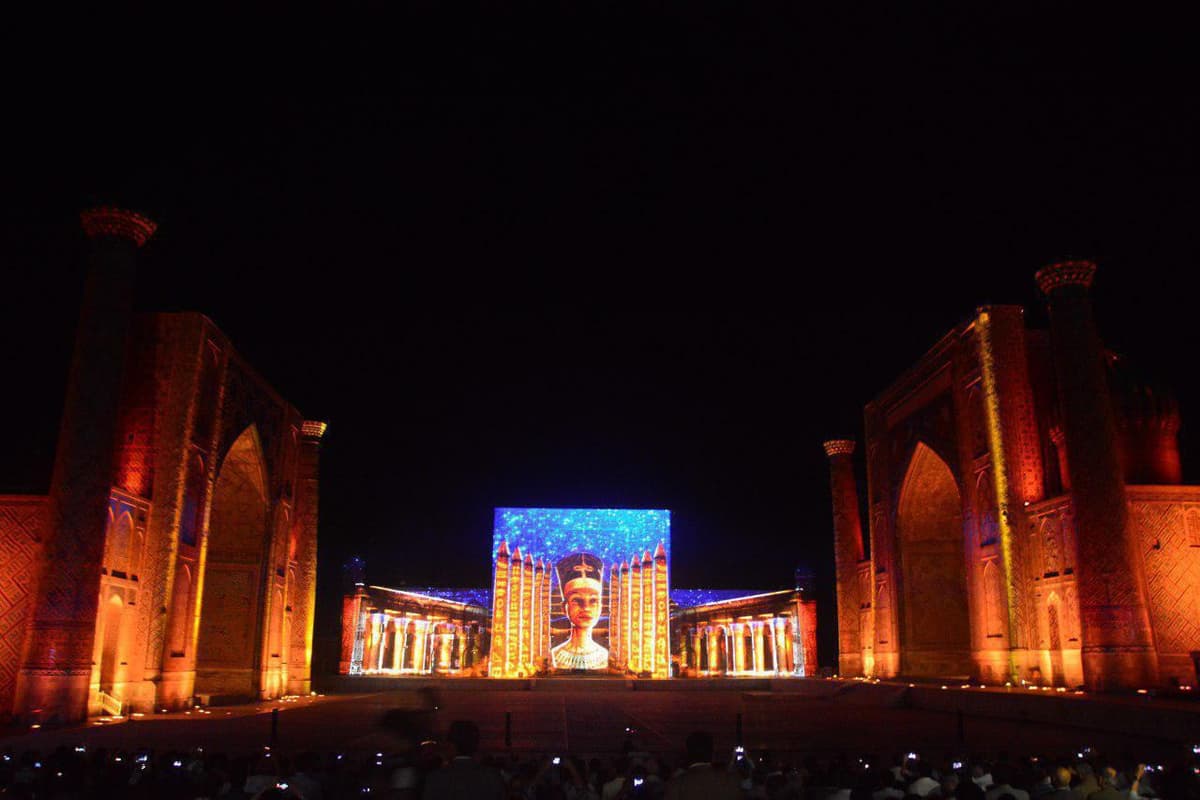
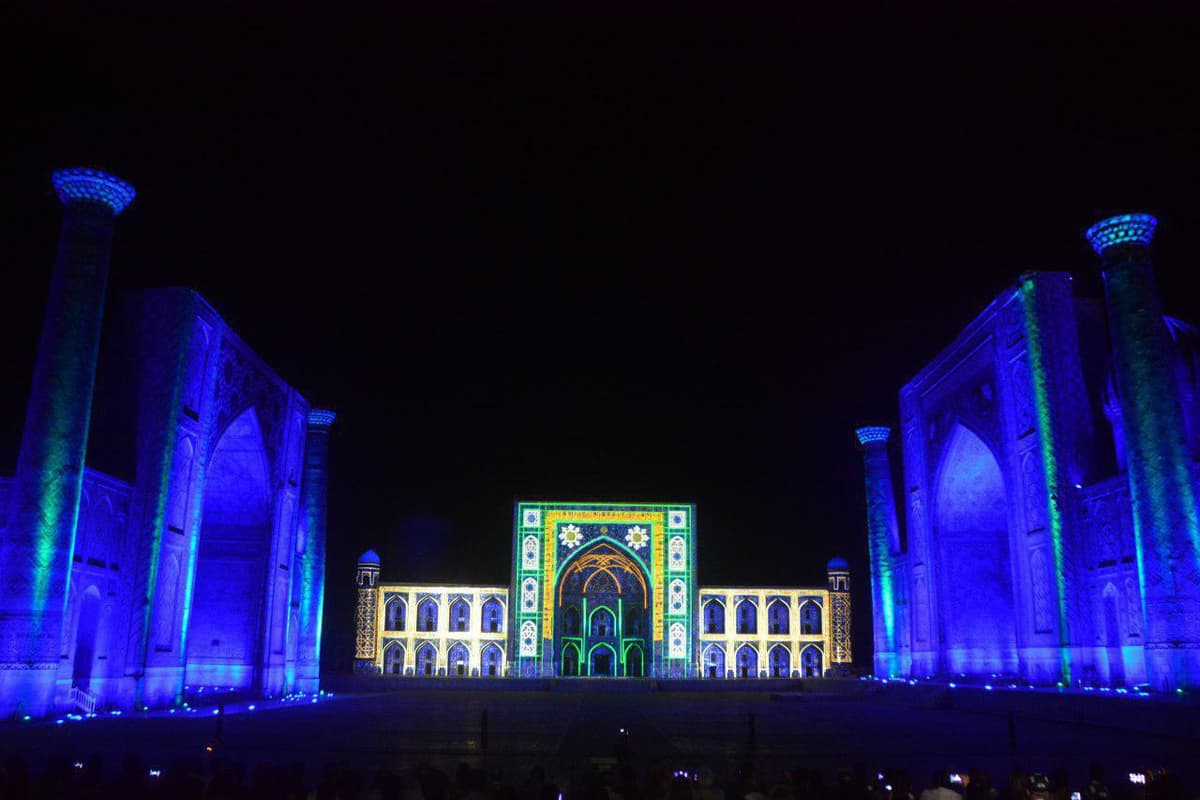
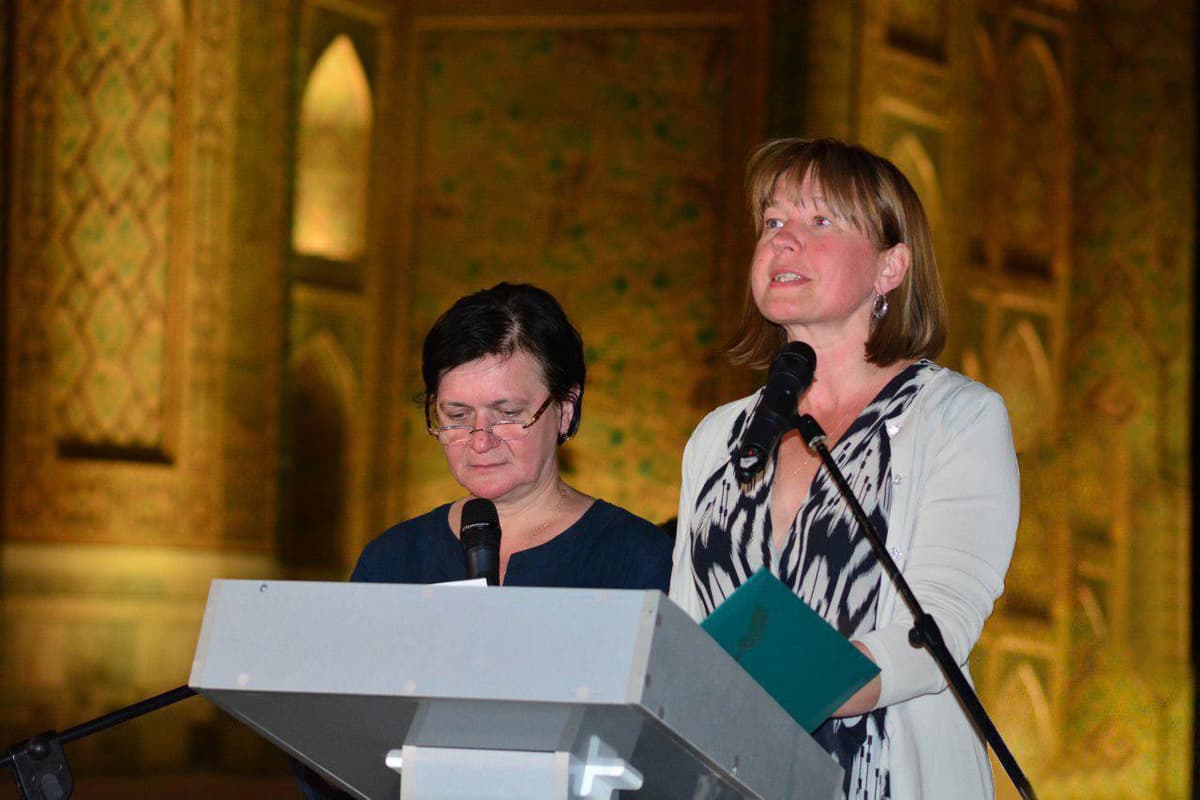
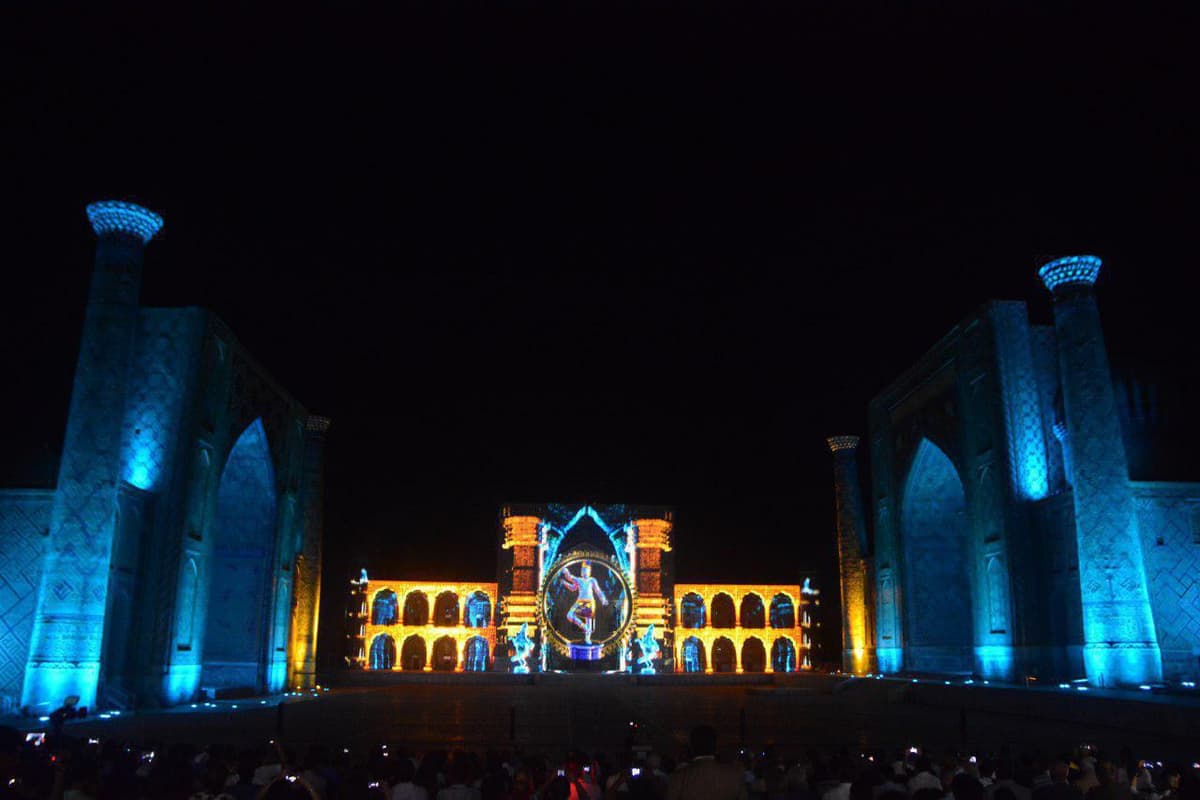
Following the Congress, a resolution was adopted on the need to establish the World Scientific Society for Study, Preservation and Popularization of Cultural Legacy of Uzbekistan, which was read out by the acting head of UNESCO Representative in Uzbekistan, the director of UNESCO cluster office for Kazakhstan, Kyrgyzstan and Tajikistan Krista Pikkat in Registan Square in ancient Samarqand. The international congress ‘The Cultural Legacy of Uzbekistan as the Path to Dialogue between Peoples and Countries’ was crowned with a colorful light-music 3D-mapping show in Registan Square, which left unforgettable impressions in the hearts of the participants.
Resolution of the International Congress ‘The Cultural Legacy of Uzbekistan as the Path to Dialogue between Peoples and Countries’
1. The international congress ‘The Cultural Legacy of Uzbekistan as the Path to Dialogue between Peoples and Countries’ held in Tashkent and Samarqand on May 15-16, 2017, demonstrated the great interest of the world scientific community in the rich cultural legacy of Uzbekistan. The monuments of history and culture of Uzbekistan, carefully preserved in museums, libraries and scientific institutions and studied by prominent Orientalists, historians and archaeologists, cause a deep and genuine interest not only for researchers but also for the wider public.
Now when ancient cultural monuments in a number of regions of the world have been vandalized and destroyed, Uzbekistan has brought together famous scientists from more than 30 countries around the world to study and popularize the rich heritage of the East.
370 participants from 40 countries of the world took part in the work of the congress, including specialists of scientific and cultural institutions, state and public organizations, representatives of the diplomatic corps, and experts. The work of the congress has been widely covered in Uzbek and foreign media (TV channels Vesti 24, NTV, Kultura, Mir, TRT, Reuters, and news agencies TASS, Xinhua, Anadolu, etc.). Five academicians, 36 doctors of sciences, 14 professors from Azerbaijan, the UK, Germany, Netherlands, Kazakhstan, Canada, Kyrgyzstan, Poland, Russia, the USA, Turkey, France, the Czech Republic, Sweden, and Japan delivered speeches and messages.
2. The Congress was timed to the publication of 10 book-albums and documentaries dedicated to the collections of monuments of history and culture of the peoples of Uzbekistan. Several volumes presented the collections of the State Museum of Oriental Art (Moscow, Russia), the Russian Museum of Ethnography (St. Petersburg, Russia), the State Tretyakov Gallery (Moscow, Russia), the Institute of Oriental Manuscripts of the Russian Academy of Sciences (St. Petersburg, Russia), the State Museum of History (Moscow, Russia), the State Hermitage (St. Petersburg, Russia), carpets and embroideries of Uzbekistan, stored in Australia, Canada, Russia, the USA, works by Alisher Navoi from the Russian National Library, the musical culture of Uzbekistan, art of carpet making in Uzbekistan. All 10 volumes and video films were presented at a special session of the congress by their authors.
3. The powerful intellectual level of the outstanding personalities of the Eastern Renaissance, who lived and worked on the ancient land of Uzbekistan, has become a solid foundation for the development of world science, culture and art. The reports of Uzbekistan and foreign scientists presented at the congress once again showed the uniqueness and high historical and cultural significance of the art of Uzbekistan for the development of world culture. Participants of the congress, scientists with world names, including Academicians Karl Baipakov (Kazakhstan) and Shahin Mustafayev (Azerbaijan), Doctors of Sciences Irina Popova (Russia), Alexander Naymark (USA), Gen’ichi Tsuge (Japan), Ladan Akbarnia (the UK), Catherine Pujol ( France) and many others, highly estimated the importance of the history of culture and art of Uzbekistan, and Uzbek scientists who made outstanding contributions to science – Mikhail Masson, Galina Pugachenkova, Lazar Rempel, Yachyo Gulyamov, Rustam Suleymanov and Edvard Rtveladze. The reports and presentations made during the two days of the congress were dedicated to the outstanding collections of Uzbek art from world collections, the heritage of the Great Silk Road, the book art of Movaraunnahr and the major archaeological discoveries.
4. The project ‘The Cultural Legacy of Uzbekistan in the Collections of the World’ carries out an extremely important research and educational function, identifying, organizing, restoring and publishing the objects of the cultural and historical legacy of Uzbekistan in the format of book-albums in three languages, catalogs, and also video versions, creating a consistent virtual image of historical and cultural monuments of Uzbekistan. The project is unprecedented and unique of its kind, and has no analogues in the world, both in breadth of coverage, and in terms of the level of research and organizational work. In the course of work on the project, a large-scale database was created on monuments of history and culture of the peoples of Uzbekistan, stored abroad, including in the Russian Federation, Germany, the Czech Republic, and Canada. An agreement was reached with the directors of the major museums to publish books and shoot documentaries on the collections of the Louvre (France), the British Museum, the Ashmolean Museum and the Bodleian Library in Oxford (the UK), the National Museum of India, the National Library of Spain, Topkapi Museum (Turkey), The Miho Museum (Japan).
The project has great potential. It has a great enlightening and educational significance. In our difficult times, it promotes the cultivation of patriotism, opens up wide horizons for the young people about the traditions of their people, and at the same time demonstrates the interrelations and mutual influence of all the components of the world culture and makes an invaluable contribution to the development of intercultural dialogue.
5. At the same time, the participants of the congress consider it necessary to inform the Governments, as well as the leadership of the ministries and institutions of culture of different countries, including Uzbekistan, the request for the creation of conditions ensuring access of researchers to cultural heritage sites. The lack of information about museum items and their complete digital catalogs prevent wider study and further popularization of Uzbekistan’s cultural legacy, as well as international cooperation between cultural, scientific and educational institutions of various countries.
6. At the final meeting, it was decided to hold the congress ‘The Cultural Legacy of Uzbekistan’ annually, as well as the publication of a collection of reports delivered during the congress.
7. Summarizing the proposals of scientists from different countries and representatives of the scientific community of Uzbekistan, expressed during discussions, the congress has adopted this resolution on the need to create the World Scientific Society for Study, Preservation and Popularization of Cultural Legacy of Uzbekistan. All those engaged in research and promotion of cultural legacy of Uzbekistan, including Orientalists, archaeologists, historians, art historians, collectors and media representatives from around the world can join this Society. The Society will be able to hold international events, including exhibitions, presentations, cultural forums in museums and research centers, storing valuable and large-scale collections of monuments of cultural legacy of Uzbekistan.
8. The participants of the congress expressed sincere gratitude to the President of the Republic of Uzbekistan Shavkat Mirziyoyev, the Government and the people of Uzbekistan for the hospitality, as well as for the attention and concern for the development of science and culture, the preservation of the cultural legacy of Uzbekistan, and the full support of scientists.
9. The Congress decided the structure of the Expert Council of the World Scientific Society for Study, Preservation and Popularization of Cultural Legacy of Uzbekistan should include the organizers and moderators of the scientific sessions of the congress. The head and the author of the project ‘The Cultural Legacy of Uzbekistan in the Collections of the World’ Firdavs Abdukhalikov is tasked to summarize the materials and proposals of the participants of the international scientific congress with the further implementation of the stated initiatives in the course of the project fulfillment.