An estimated two million children have been taken out of child labor and half a million adults out of forced labor since the reform process of Uzbekistan’s cotton sector began seven years ago.
According to the forthcoming 2021 ILO Third-Party Monitoring Report of the Cotton Harvest in Uzbekistan based on eleven thousand interviews with cotton pickers, 99 percent of those involved in the 2021 cotton harvest worked voluntarily. All provinces and districts had very few or no forced labor cases.
About one percent were subject to direct or perceived forms of coercion. The data shows that 0.47 percent of respondents reported direct or perceived threats by Mahalla representatives (local officials at the community level) related to social benefits, and 0.12 percent of respondents reported direct or perceived threats by employers related to loss of employment or wages.
The findings are the latest from the ILO Third-Party Monitoring project, which has been monitoring the cotton harvest in Uzbekistan since 2015 under an agreement with the World Bank.
A majority of cotton pickers who took part in interviews said that working conditions had improved since 2020. Only five percent said that the conditions were worse than the previous year. This relates to transportation, food, access to water, hygienic and other facilities.
According to the report, one in eight people of working age in Uzbekistan participated in the cotton harvest – the world’s largest recruitment effort. Sixty-two percent of pickers were women, and the vast majority were from rural areas.
“Our collaboration has yielded good results – because after 7 years, this year’s report shows that Uzbek cotton is free from child labor and forced labor,” said ILO Director-General Guy Ryder. “There is now an opportunity for Uzbekistan to realize its goal of moving up the value chain and to create millions of decent full-time jobs in textile and garment manufacturing.”
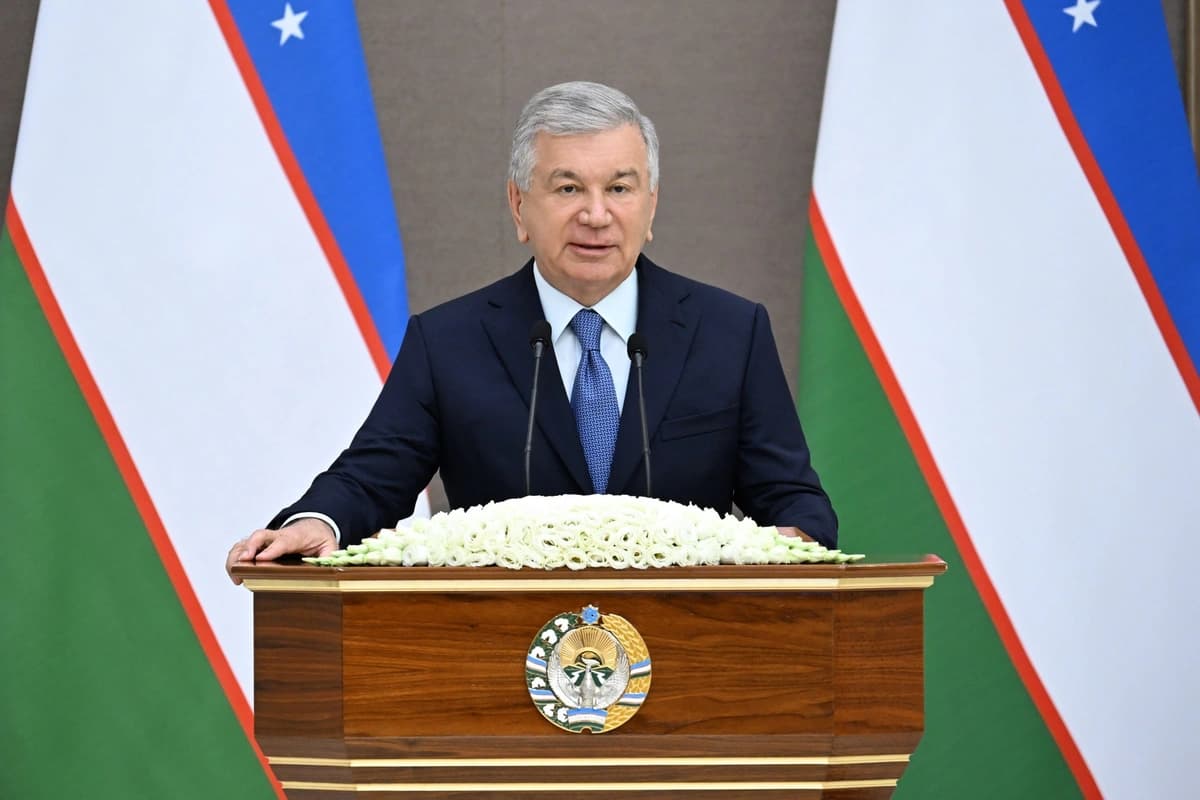
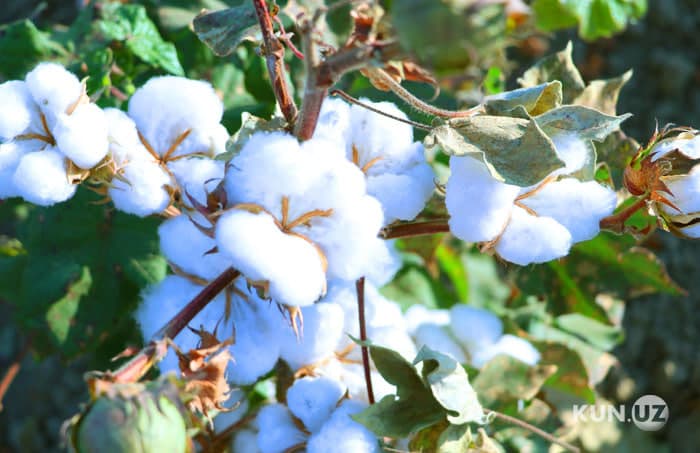
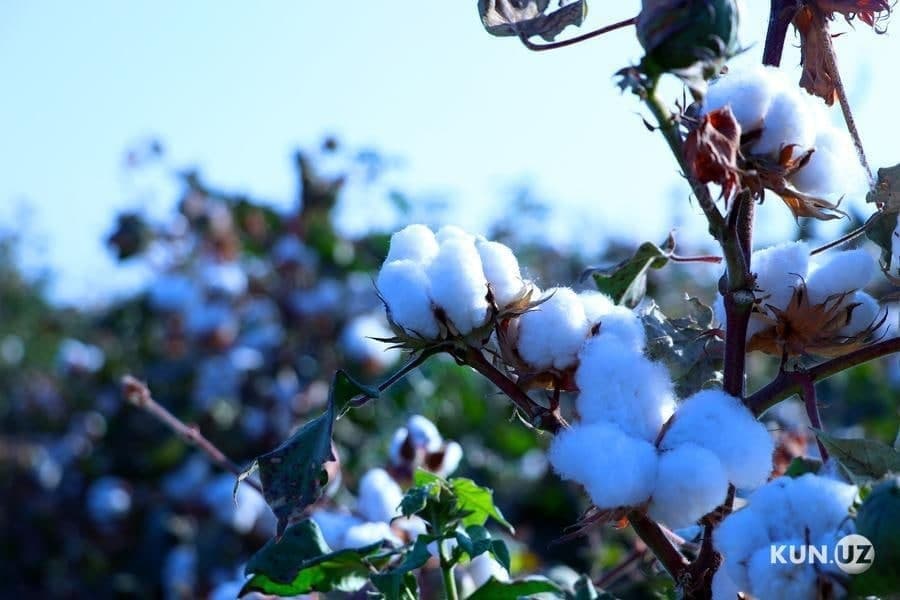
Uzbekistan is the sixth largest cotton producer in the world. Under the leadership of President Shavkat Mirziyoyev, the country has embarked on reforms that include the modernization of the country’s former agricultural economic model and the eradication of child labor and forced labor in the annual cotton harvest that was previously prevalent.
“We undertook these reforms to benefit our people and our economy. The starting point was to abolish the state order system for cotton production but we didn’t stop there,” said Tanzila Narbayeva, the Chair of the Senate and Head of the National Commission to Combat Forced Labor and Human Trafficking.