First, the leaders of the SCO member states held a roundtable discussion. Iran has not been included among these 8 leaders. As part of the summit, a memorandum on Iran’s obligations to become a member of the organization was signed. Also, the process of admitting Belarus to SCO membership has officially started.
The total number of signed documents is 44. Among them are the “roadmap” for gradually increasing the share of national currencies in mutual trade between the SCO member states, the next 5-year plan of the organization and the main document of the summit - the Samarkand Declaration.
By signing this declaration, 8 countries expressed concern about increasing instability in the modern world. They emphasized the need to increase the stability of democracy and justice in the world, and the world order should be multi-polar. The document also states that principles such as sovereignty, independence, territorial integrity, equal rights, non-interference in internal affairs, refraining from use of force and threats should be respected.
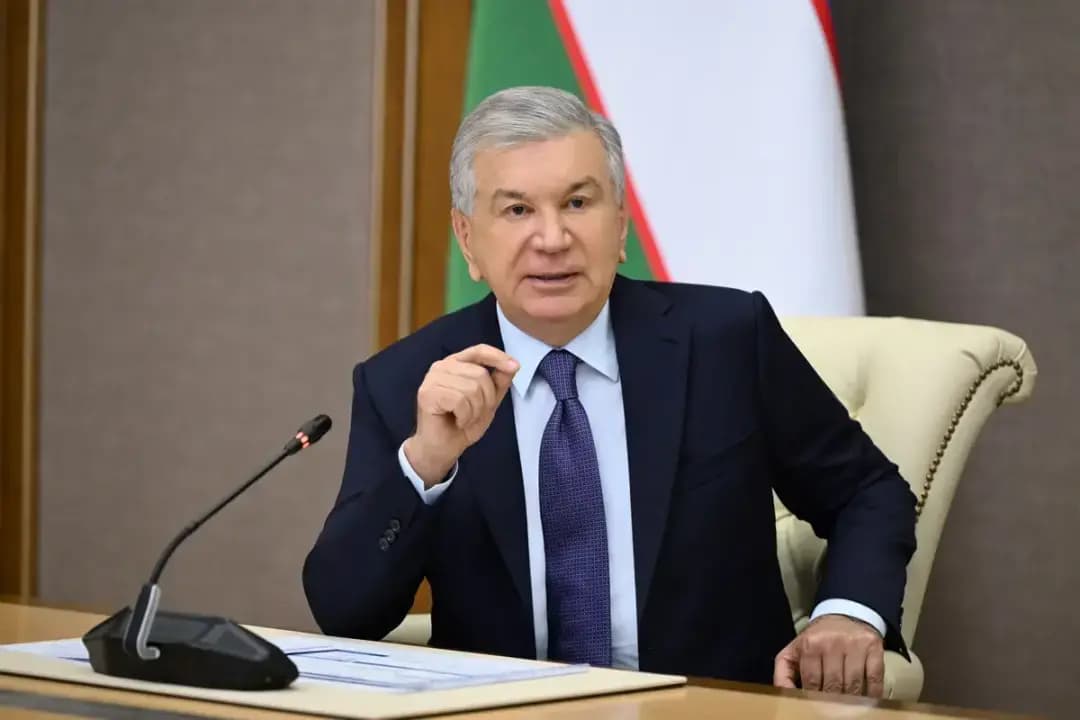
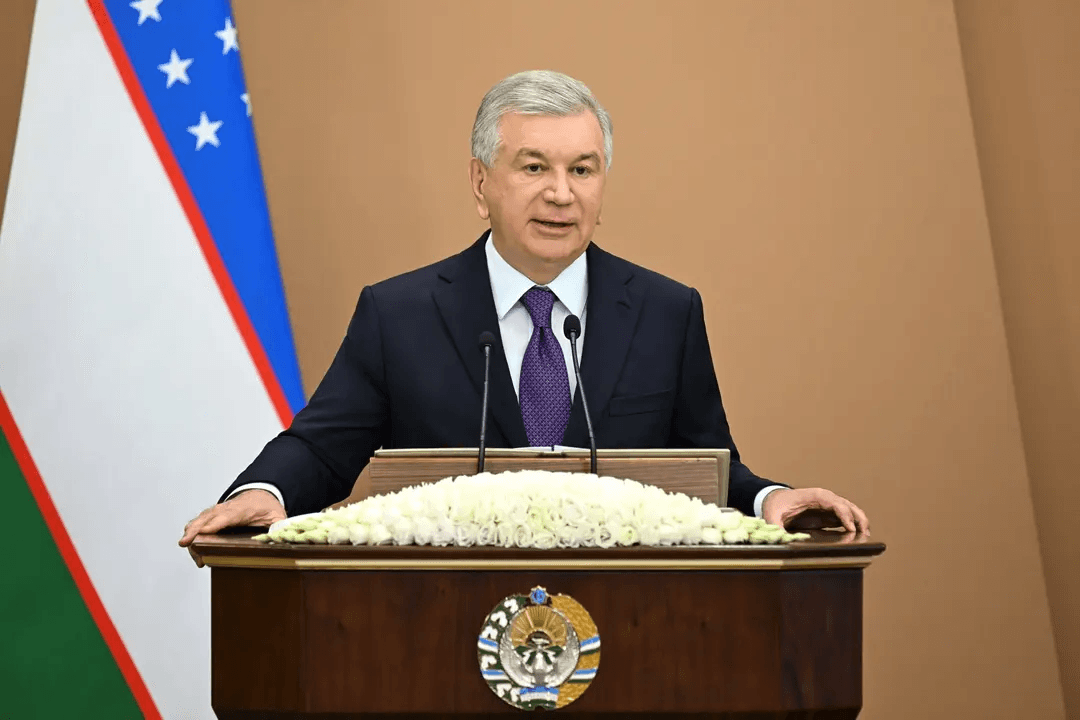
With the Samarkand declaration, SCO members once again announced that this organization is not directed at any third party. Shavkat Mirziyoyev also touched on this issue in his speech. The President said it is important to maintain the non-aligned status of the SCO with blocks. The leader of Uzbekistan put forward several proposals on the issues of economic cooperation, transport, security, Afghanistan and ecology.
After that, an extended meeting of the summit was held. In addition to the members of the state, officials with the status of observers and collaborators and honored guests also participated in it. During this meeting, the situation on the Tajik-Kyrgyz border became particularly alarming. There were short skirmishes between the borders of the two countries before the summit, but a serious armed conflict took place directly during the conference. The Kyrgyz side accused the Tajik border guards of using heavy artillery, especially single fire systems, of trying to capture several villages on the border.
The parties reached a cease-fire several times, in particular, after the summit, Kyrgyz President Sadyr Japarov and Tajik President Emomali Rahmon reached such an agreement, but even after these agreements, the situation on the border has not completely stabilized.
After the summit, not only Japarov and Rahmon, but also other leaders continued their bilateral meetings. Shavkat Mirziyoyev held talks with Turkish President Recep Tayyip Erdoğan and Indian PM Narendra Modi.