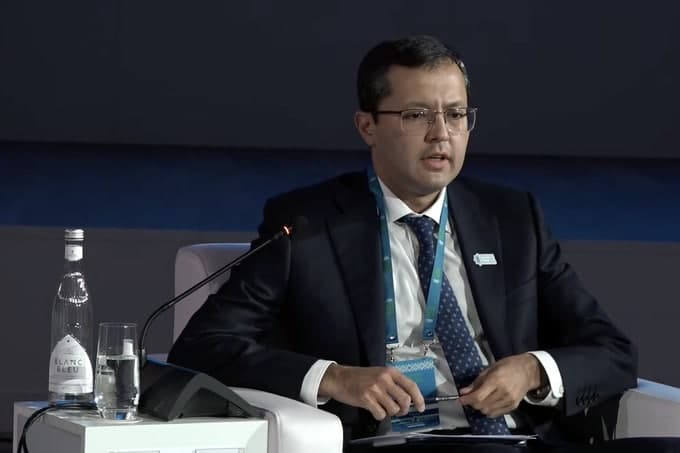
The Finance Minister Timur Ishmetov said that borrowing money is becoming more expensive. Therefore, in the economic policy of Uzbekistan, attention should be focused on structural reforms, which envisage the use of private funds, rather than the state budget and borrowing opportunities.
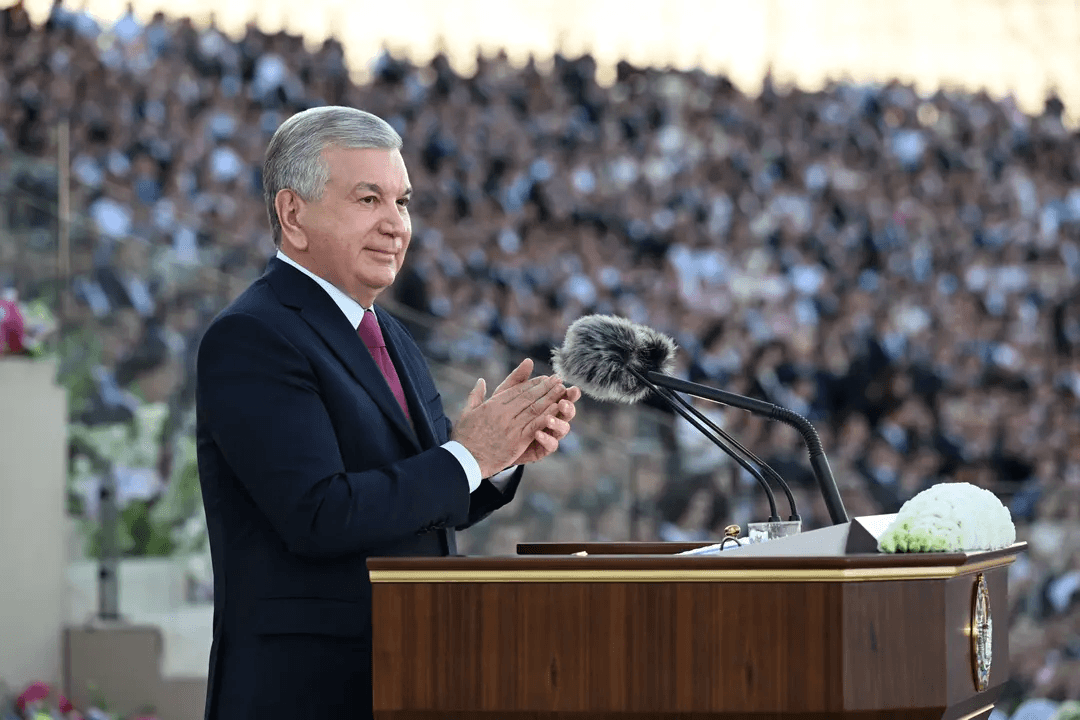
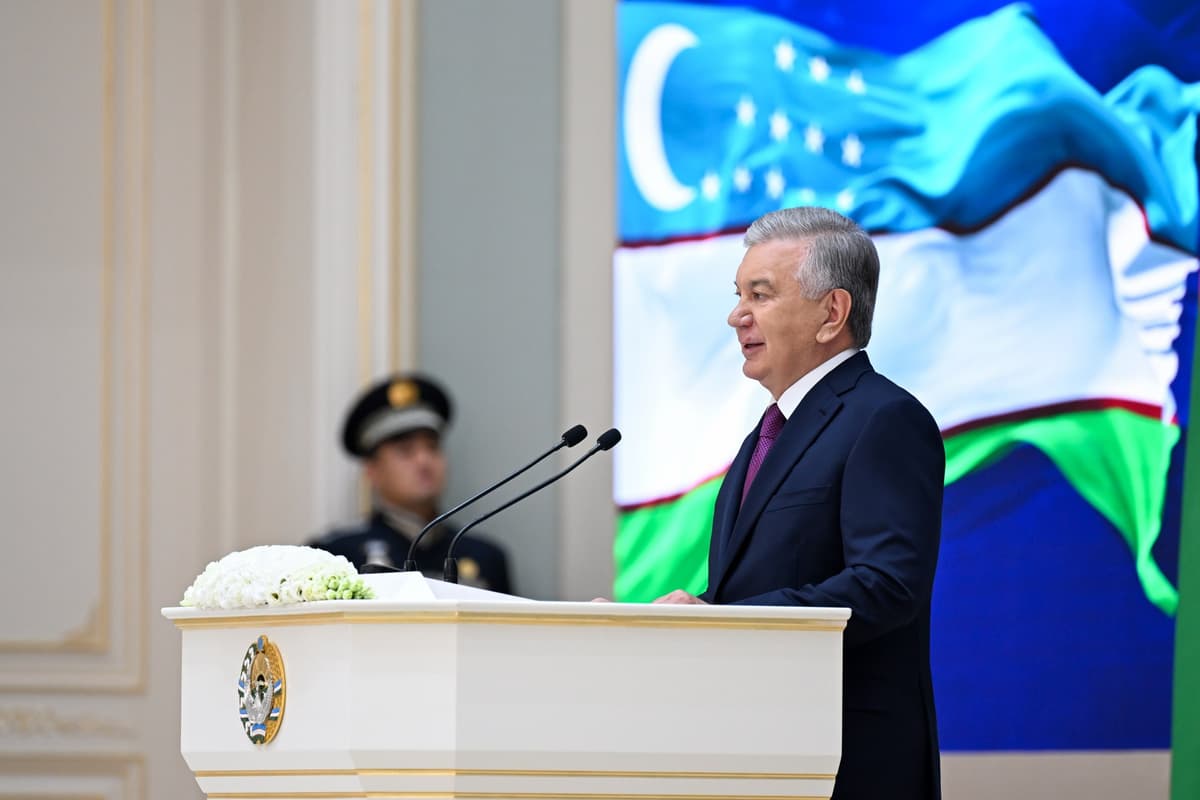
The Finance Minister Timur Ishmetov spoke about the conditions for maintaining high growth rates of Uzbekistan’s economy in the coming years at the second International Economic Forum held in Samarkand on November 3.
The Central Bank predicted that by the end of 2022, the inflation rate would be around 12-12.5%, and in 2023, it would decrease to 8.5-9.5%. GDP is expected to be 5.2-5.8%, 4.5-5% in 2023, 5-6% in 2024 and 6-6.5% in 2025, respectively.
“Indeed, at the beginning of the year, we had good growth rates. When this crisis started, we had “more modest” forecasts. But our experience has shown that if you look at the previous years, for example, when there was a pandemic of COVID, which lasted from 2020 to 2021, we found that the best way to solve these problems is to continue our structural reforms,” the finance minister noted.
According to him, now in Uzbekistan, “there is not enough fiscal space to implement something without these reforms”.
“Yes, three or four years ago we focused on borrowing. I would say that the world had good conditions for it then. We have traditionally had a low level of debt so that we can raise funds. In addition, all our partners and investors were ready to support. Now we are in a very difficult period. We could see a global recession coming, all the central banks are tightening monetary policy, raising interest rates. Frankly speaking, our debt has become more expensive,” he said.
Fiscal space is the ability to use resources to achieve a goal without jeopardizing the financial position of the state budget or stable economic situation, as well as without violating other restrictions created by its national legislation, supreme authorities or creditors (mainly large creditors such as the International Monetary Fund or the World Bank), opportunities to provide or use them.
Timur Ishmetov said that the global recession will limit the government’s financial spending and force them to start creating their own financial buffers (reserves) in this environment.
“Thus, we need to focus on structural reforms that will lead to a general economic policy orientation towards the use of private funds and not on fiscal space and borrowing. In the near-medium term, we have to rely on our private money - this is the only way,” he said.