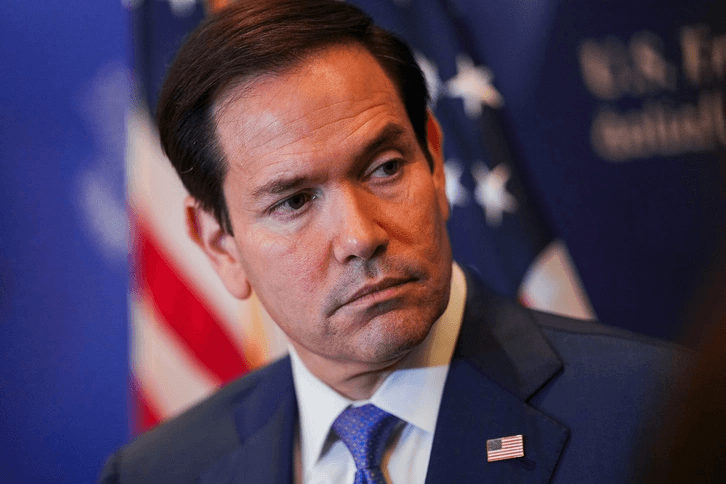
On February 28 and March 1, the US Secretary of State Antony Blinken visited Uzbekistan. During the visit, he was received by President Shavkat Mirziyoyev and held talks with the Foreign Ministry of the country Bakhtiyor Saidov. The parties discussed strengthening bilateral cooperation.
Also, Secretary Blinken had an exclusive interview with Kun.uz, in which he talked about consolidating ties with the countries of Central Asia, standing up against the war in Ukraine and Russian aggression, striving for economic integrity in the region, commitments of the Taliban, freedom of speech in Uzbekistan and many other more.
Mr. Secretary, thank you very much for being here. I want to start by asking about the current state of relations between the Central Asian countries and the United States. Has anything changed in the US foreign policy toward the countries of the region in light of recent developments in the international arena, especially, after the war in Ukraine?
Well, I think, we’ve had longstanding relationships with each country going back to their independence, and the foundation of that relationship has been our strong support for the sovereignty and territorial integrity of each of the countries of Central Asia. But I think what you’ve seen in recent years is a deepening and strengthening of these relationships across a number of areas, trying to create greater economic opportunity, working together to meet shared challenges, including everything from climate to energy, building closer people-to-people ties between our countries and also working to create greater integration and connectivity among the countries of Central Asia themselves.
This is one of the things that we’re doing through, what we call, the C5+1 partnership. And I took part in a meeting of that group just yesterday in Kazakhstan. I think we're seeing stronger partnerships. For the United States, our hope is to be a good partner in working on shared challenges, in bringing more investment to Central Asia, and also in helping our partners build the capacity of their own people. So, we’re working in all of these areas together.
The Central Asian countries have long ties with Russia, it is the key trade partner and it takes time to diversify the sources of investment and income. To address this issue, you said in Kazakhstan that partner countries of Russia that suffered economically as a result of the sanctions would receive certain compensations. Could you please elaborate a bit on that?