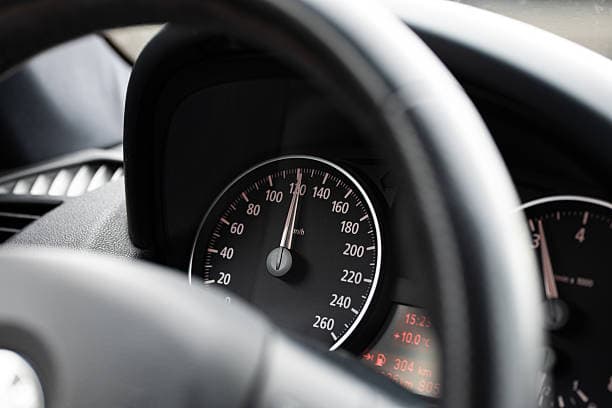
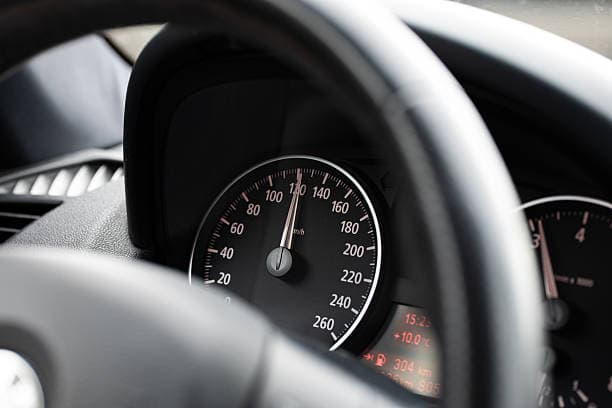
The government has introduced a draft law to the Oliy Majlis that would grant drivers a “right to speed,” raising the deductible speed limit tolerance from 5 km/h to 10 km/h before fines are issued. “When we talk about increasing speed limits, we must think of our fellow citizens — especially children — dying on the roads,” an expert warns. Kun.uz explored the opinions of experts and activists regarding this proposal, which has triggered public backlash.
Draft law submitted to parliament
On March 15, the Cabinet of Ministers submitted a draft amendment to the Administrative Responsibility Code to the Legislative Chamber under its legislative initiative rights, as announced on the chamber’s official page.
The proposal stipulates that, accounting for potential errors in radars and speedometers, the speed tolerance before penalties apply would increase to 10 km/h, up from the current 5 km/h. Curiously, the Legislative Chamber’s official statement, accompanied by an image, implied that this yet-to-be-debated document is already set for implementation: “Now, 10 km/h will be deducted from the recorded speed.”
In 2024, Uzbekistan recorded over 9,000 road traffic accidents, injuring nearly 9,000 people and claiming more than 2,200 lives. Is such a decision necessary now? Kun.uz sought perspectives from activists and a road safety expert on this contentious issue.
“Most accidents are due to speed, and children are victims of that speed”
Nosirjon Zokirov, a road traffic safety expert, opposes raising the speed tolerance from a safety standpoint. In a conversation with Kun.uz, he explained why this initiative should not proceed.
“Lowering the speed limit from 70 km/h to 60 km/h required significant effort, facing substantial resistance and objections. Some claimed reducing it to 60 km/h would ease congestion, yet they still ask, ‘Did deaths decrease after dropping it to 60?’ They don’t say, ‘Maybe it didn’t increase.’ Now, raising the tolerance from 5 km/h to 10 km/h is like taking one step forward and two steps back. Soon, someone will say, ‘10 km/h isn’t enough, let’s make it 15,’ then ‘20,’ and it’ll keep escalating. That’s the first issue.
“Secondly, in our populated areas, the maximum speed is capped at 70 km/h, not 60 km/h, due to inconsistencies in traffic rules. The regulations state that the speed limit in populated areas must not exceed 70 km/h, but in cities — specifically noting Nukus and Tashkent — and district or regional centers, it’s 60 km/h. This creates two different standards. If we raise the tolerance to 10 km/h in Tashkent, where the limit is 70 km/h, it becomes 80 km/h elsewhere in district or regional centers. Uzbekistan is vast, with settlements, neighborhoods, and villages. While 80 km/h isn’t explicitly set, if the upper limit is 70 km/h and we add a 10 km/h tolerance, it will lead to more deaths.