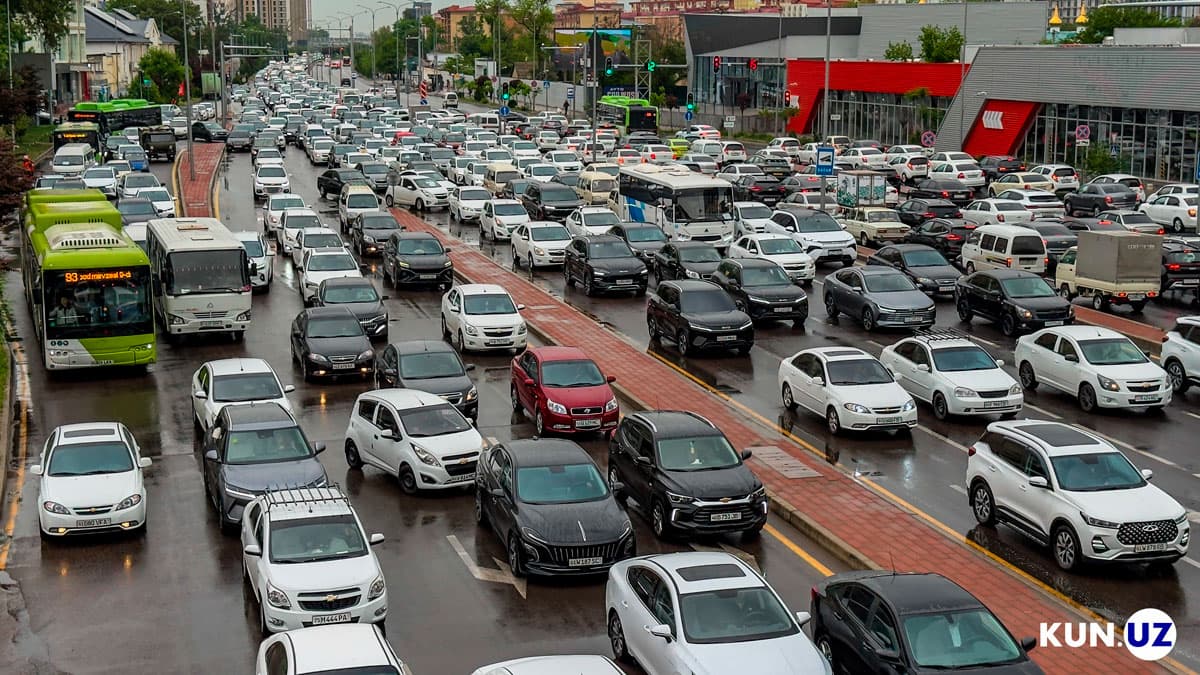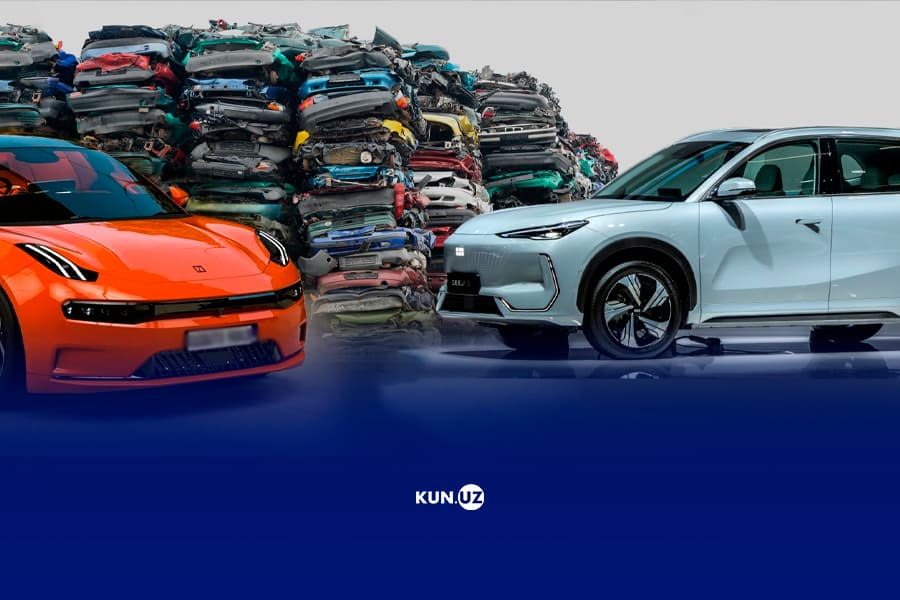
As of May 1, 2025, Uzbekistan sharply increased the recycling fee for imported electric vehicles. For EVs manufactured within the last three years, the fee has risen from 30 to 120 times the base calculation unit (BCU), reaching up to 45 million UZS. For vehicles older than three years, the fee is now 210 times the BCU — that’s 78.75 million UZS (over $6,100). These new rates significantly raise the price of electric vehicles, making them even less affordable for consumers.
Kun.uz reviewed how other countries handle recycling fees.
Central Asian countries
Kazakhstan also charges a recycling fee for imported vehicles, but only for gasoline and hybrid cars. To encourage EV adoption, the government exempts electric vehicles from this fee.
In Kyrgyzstan, the recent surge in cheap EV imports from China led to discussions about introducing a recycling fee. In February 2024, Deputy Minister of Economy Aynura Usenbekova stated that such a fee would be implemented in 2025. However, no changes have occurred yet, and EV imports into Kyrgyzstan remain free of recycling charges.
Tajikistan is among the most supportive countries in Central Asia when it comes to transitioning to environmentally friendly transport. The country imposes no recycling fees on EV imports. In fact, since 2022, customs duties for importing EVs have been lifted. Beginning in May 2025, new EVs less than one year old will also be exempt from VAT and excise taxes. The government in Dushanbe aims to convert 30% of its vehicle fleet to electric by 2030.
Turkmenistan does not officially impose a recycling fee on imported cars either. However, the country has strict restrictions on car imports. Individuals can almost never import a car directly — only specific types of vehicles are allowed in, and only with government permission.
Commonwealth of Independent States (CIS)
Russia was one of the first CIS countries to introduce a recycling fee and remains among the most expensive in this regard. After joining the World Trade Organization, Russia had to lower its customs duties, so it introduced a high “eco-tax” to protect its domestic auto industry by making imports more expensive.