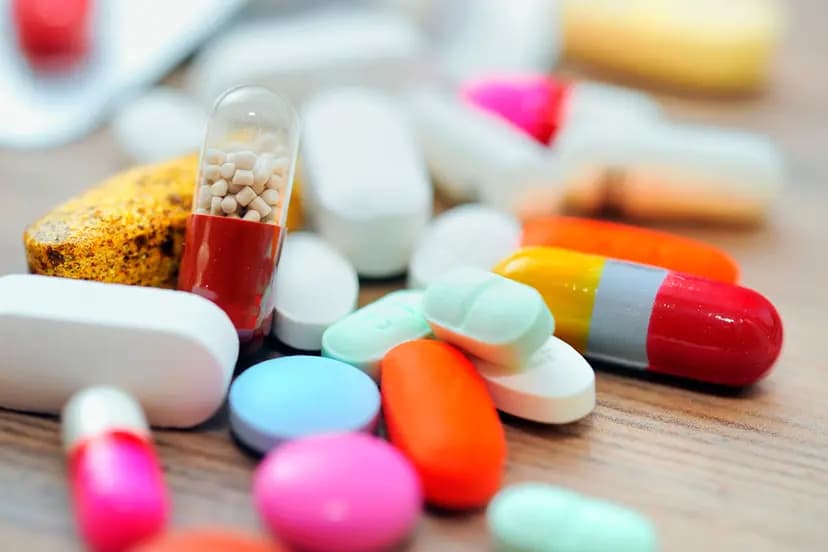
Starting July 1 of this year, all medicines imported into Uzbekistan may only be sold to wholesalers and retailers by the importer or its official dealers, and only through e-invoices.
Medicine labeling has also been made mandatory. However, according to Eldor Azamov – a professional familiar with both customs and pharmaceuticals – these sales practices have been in place even before the official regulations were signed. Kun.uz interviewed Azamov to better understand why medicines in Uzbekistan are more expensive.
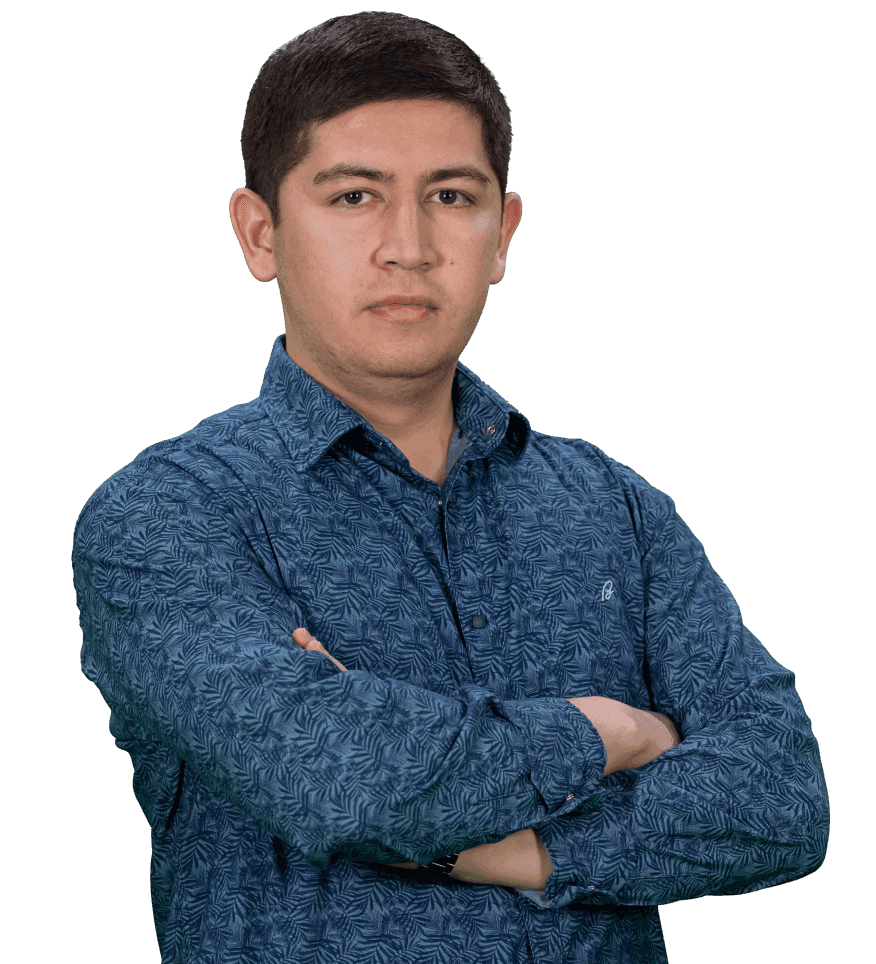
Who is Eldor Azamov?
Azamov graduated from the Higher Military Customs Institute in 2016 and worked at a border customs post for a time. He later studied at the Pharmaceutical Institute and currently works as a pharmacist in a local pharmacy.
Medicines are cheaper abroad. Why?
Azamov explains that at customs checkpoints in Uzbekistan, imports of medicines are far more common than exports. He attributes this to the fact that drug prices in other countries are generally lower.
“For example, medicines are imported into Uzbekistan from Europe, India, Turkey, and Russia. But if you compare prices with neighboring countries like Kazakhstan, Kyrgyzstan, and Turkmenistan, ours are higher.
“Take Plavix 75mg (28 tablets) – the average price in Uzbekistan ranges from $19 to $23. In Kazakhstan, it's around $15; in Tajikistan, $11–18; in Russia, $9; and in Turkey, only $7.5. These are approximate averages.
“Another example: NovoRapid FlexPen, used for diabetes. In Uzbekistan, it costs $40–50; in Kazakhstan, $16–40; in Tajikistan, $5–29; in Russia, $22; and in Turkey, $20. These prices are sourced from publicly available data,” he said.
Azamov notes that original (branded) medicines are rarely imported into Uzbekistan – mostly generics are. Although generics have the same composition and quality as original drugs, their cost is significantly lower, which is why many countries prioritize local production over imports.