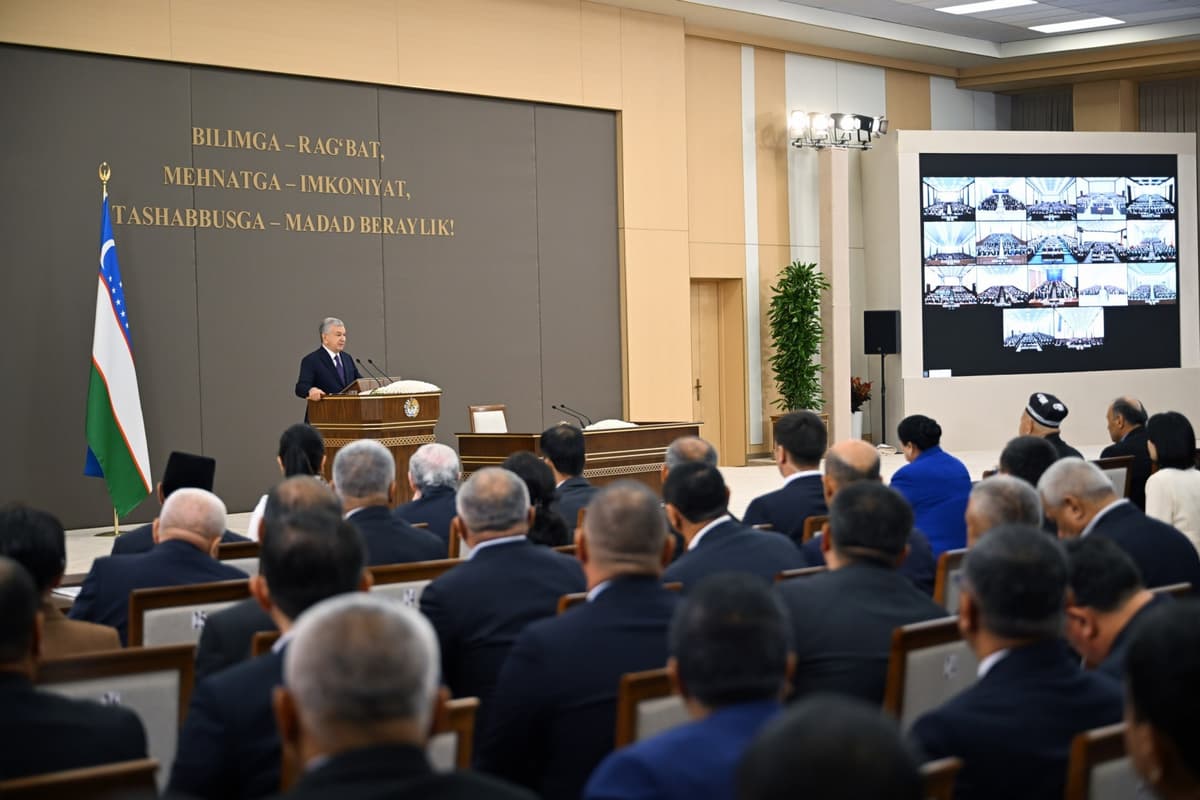
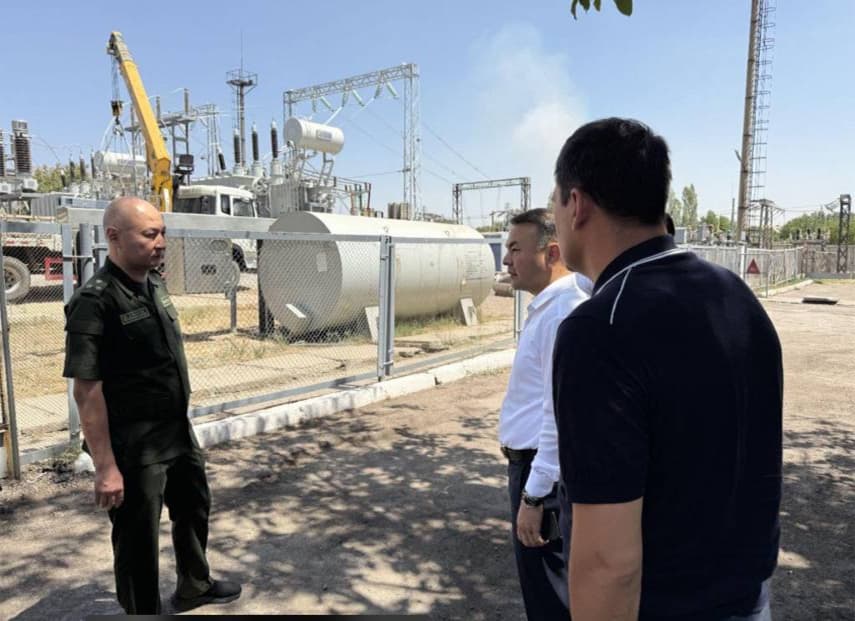
According to UzA, the outages and voltage drops in several districts were investigated by the Prosecutor General’s Office with the involvement of technical experts.
Investigation findings
The probe revealed a number of deficiencies and operational shortcomings in the electricity supply system.
At present, only five operators work at Call Center No. 1154, which handles consumer complaints. This has resulted in waiting queues of up to 60–70 callers. Following the investigation, 10 additional operators were assigned to the center.
Moreover, there was a failure to inform consumers in a timely manner about the restrictions and outages. On July 23 alone, no prior warnings were issued for 64 outage incidents, while 112 notifications were delivered with significant delay.
In response, all district administrations have now been instructed to post outage alerts on their official websites and high-traffic social media channels. Additionally, prosecutors have been assigned to dispatch services in every district to ensure rapid response and readiness.
Employees of press and dispatch services were officially warned to improve communication with consumers and respond swiftly to emergency situations.
The disciplinary measures affected 28 officials, including:
- the head of Tashkent City Electric Grids LLC,
- 11 heads of district power supply enterprises,
- 13 chief engineers,
- and 3 dispatch service employees.
Systemic problems within the power company
The investigation also uncovered systemic issues at Tashkent City Electric Grids LLC.
The company currently operates 78 emergency response teams staffed by 410 employees and supported by 34 specialized vehicles – insufficient to handle the growing number of emergencies. There is also a shortage of 35 personnel across the organization.
In the past three years, 30% of the company’s workforce has resigned, mostly due to low wages and high workload. Of those who left, 228 were operational specialists, making up 45% of the total resignations.