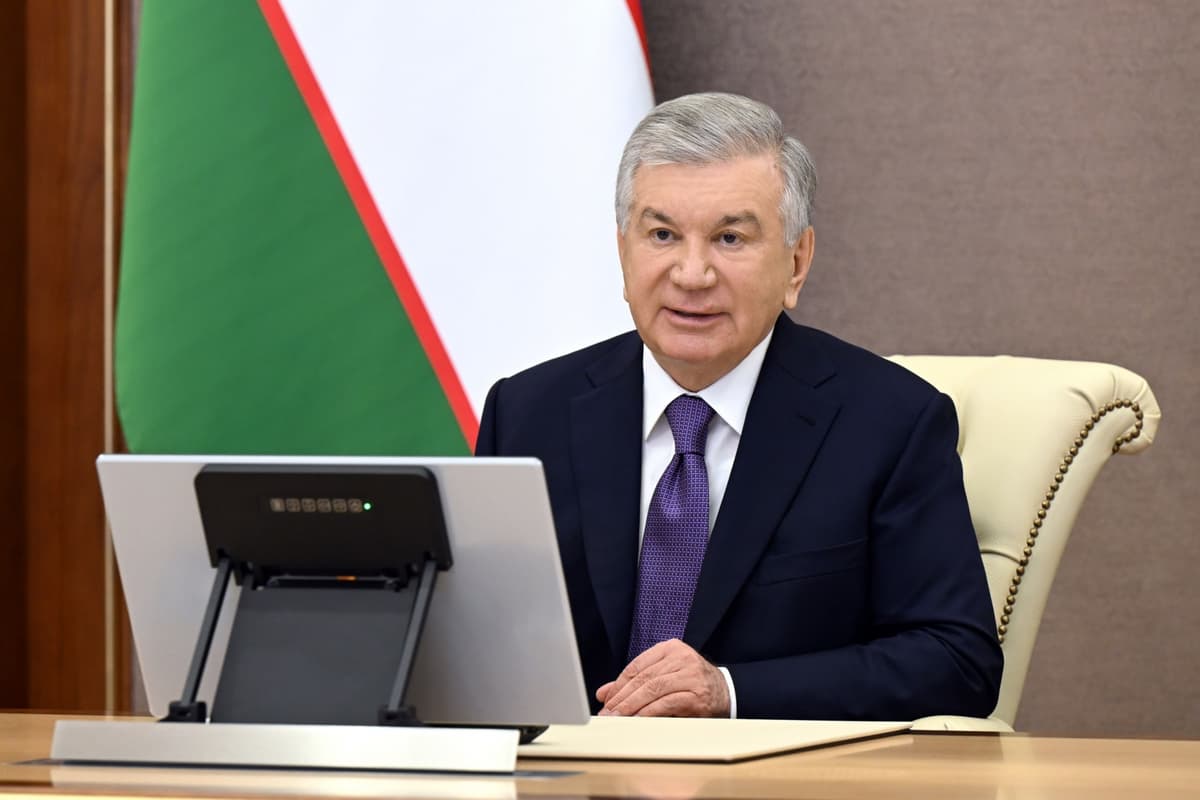
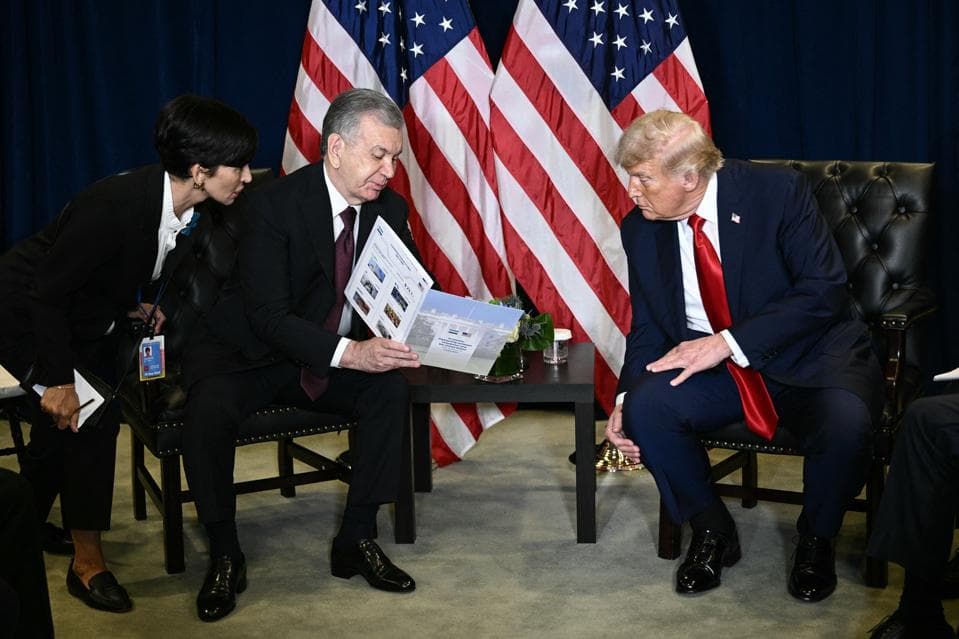
The piece noted that ahead of his meeting with President Shavkat Mirziyoyev, US President Donald Trump praised the Uzbek leader in a post on his Truth Social platform.
In his message, Trump commended Mirziyoyev for the $8 billion deal on the purchase of Boeing Dreamliner aircraft, saying the agreement would “create over 35,000 jobs in the US.”
“Mr. Mirziyoyev is a man of his word, and we will continue to work together on many more items,” Trump wrote.
According to Forbes, such remarks reflect “pretty warm enthusiasm” in Trump’s vocabulary.
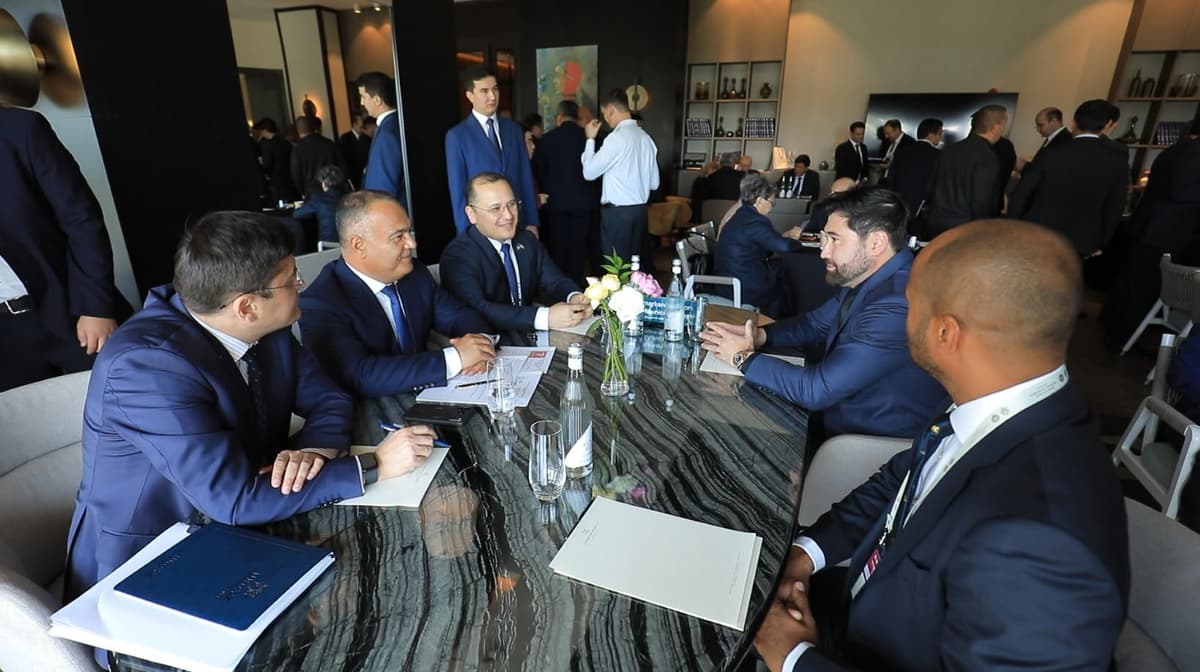
The magazine also highlighted that the Uzbek president held meetings with leading US companies and financial institutions. It pointed out that under Mirziyoyev, trade between Uzbekistan and the US has increased fourfold, and more than 300 American companies are now investing in Uzbekistan.
“Mineral mining particularly in strategic metals and rare earth materials seems top of the list,” the article said.
Forbes further noted Trump’s efforts to bring Armenia and Azerbaijan closer to peace and his push to rebrand the Zangezur Corridor as the “Trump Corridor” with a bright future. According to the article, this could, for the first time in centuries, provide Central Asia with direct access to global trade routes bypassing Russia, Iran, and China. Direct trade with the West, it argued, would offer the region a freer and more advanced political model compared to its neighbors.
The piece also mentioned that Komil Allamjonov, adviser to Saida Mirziyoyeva – the head of the Uzbek President’s Administration – has been appointed as a special advisor to the Central Asia Program at George Washington University. This appointment, it said, signals Tashkent’s closer ties with the West.
“In the past, the US and Europe have treated the region as a dark zone, sunk in unalterable Sovietic practices. Greater interest with engagement changes the equation. In past years, the region has so often teetered on a knife-edge of instability that US support makes a transformative difference,” Forbes wrote.
The magazine then posed the question: why should the US, indeed the West as a whole, care about a landlocked stretch of faraway geography hitherto in the sphere of influence of other regional powers22? It provided the following answers: