Business class | 15:41 / 10.10.2025
1812
6 min read

Economists criticize government’s plan to tax copper wire exports

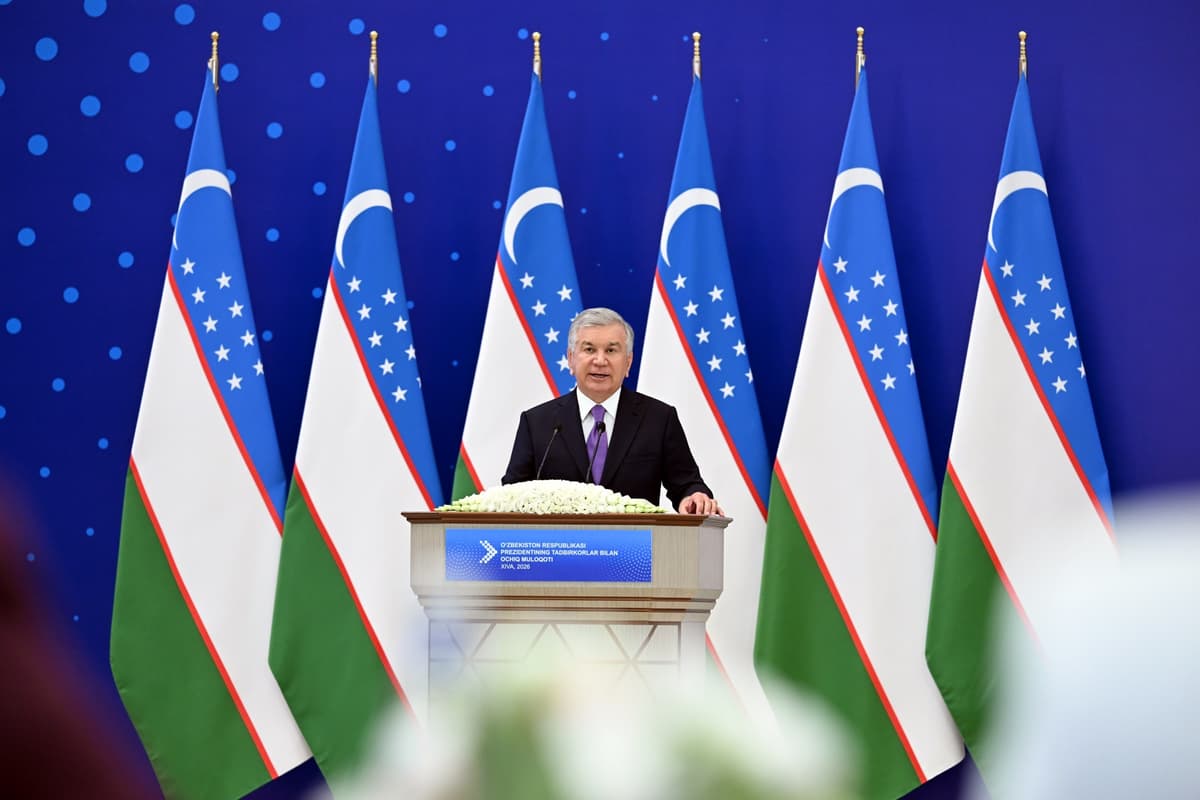
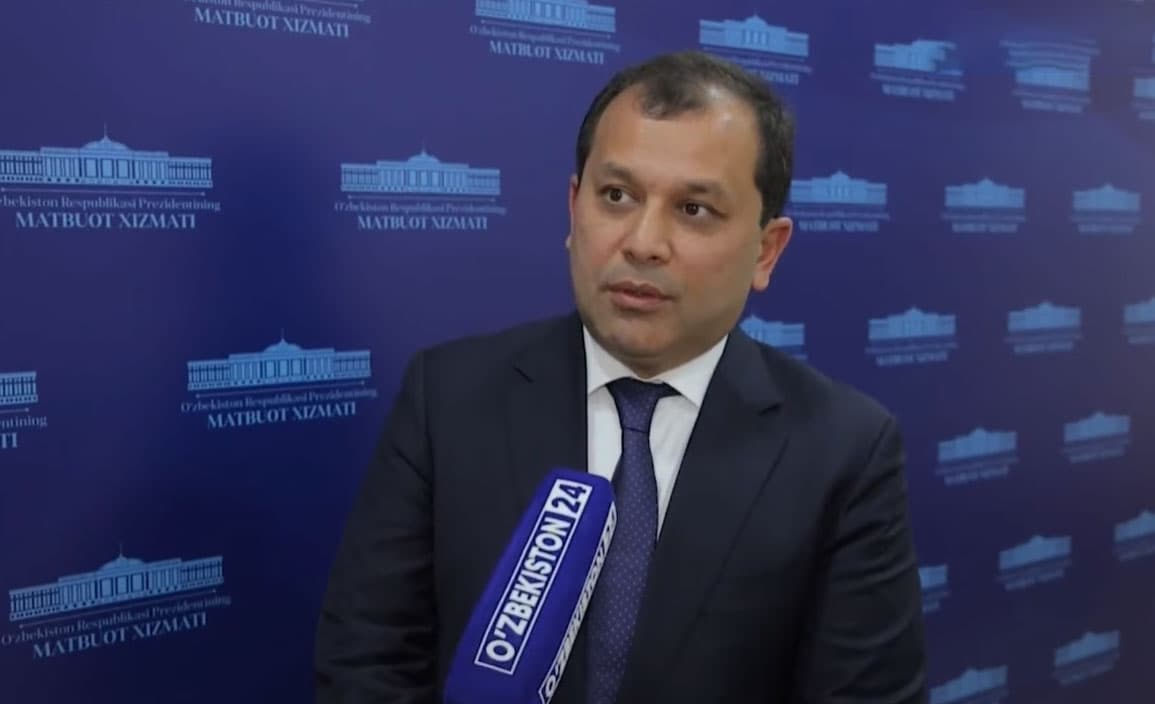
Chairman of the Chamber of Commerce and Industry of Uzbekistan, Davron Vakhobov, announced that an export duty is expected to be introduced on copper wire. According to him, the purpose of the measure is to encourage enterprises to create added value. Economists Behzod Hoshimov and Otabek Bakirov criticized the proposal, calling it a misguided policy.

Davron Vakhobov

Vakhobov said in an interview with the Uzbekistan 24 TV channel that in recent years, small, medium, and large enterprises capable of processing around 200,000 tons of copper have emerged in Uzbekistan. On the initiative of the president, companies producing high value-added products from copper currently benefit from a 4% discount off the exchange starting price.

“At Almalyk, the average price of one ton of copper is $9,000. The 4% government discount amounts to around $360. Enterprises purchase copper for about $8,600–8,700 and, after creating added value, export products worth up to $12,000. However, some business entities export copper in the form of simple wire, which damages the reputation of our copper industry in the global market.

“Entrepreneurs who have invested $50–80 million proposed introducing an export duty on such wire. Once the duty is imposed, other business entities will also begin to think about creating added value,” Vakhobov said.

According to him, during the first eight months of 2025, about 71,000 tons of copper were purchased at a discounted price, of which 36,000–37,000 tons were exported as wire.

Companies exporting copper wire have invested between $300,000 and $500,000 in equipment to melt copper and convert it into wire for export. Meanwhile, companies that have invested $30–40 million, Vakhobov noted, “cannot operate at full capacity or make full payments.”

“For this reason, by introducing a duty on such wire, conditions will be created to export high value-added finished products worth $11,000–11,500 per ton to Europe and the United States,” he added.

Vakhobov also stated that the 4% discount for purchasing copper from Almalyk Mining and Metallurgical Complex (AMMC) with full prepayment will be extended for another three years, while an export duty will be imposed on copper wire (HS code 7408).

“In addition, our esteemed president has allocated $100 million specifically for enterprises purchasing copper from the exchange,” Vakhobov said.

“Export duty is a serious policy mistake”

New York University professor and economist Behzod Hoshimov commented on the proposal, describing it as “a very wrong decision.”

“In the past, we saw videos of customs and border officers stopping entrepreneurs who tried to export fruits and vegetables, accusing them on TV of ‘taking away the nation’s wealth.’

“Imposing an export duty is a serious mistake. Import duties are already a factor that makes Uzbekistan poorer, but export duties are even more harmful.

“On one hand, the government reimburses exporters for their transport costs, and on the other hand, it taxes them with export duties. In reality, neither measure is necessary. Exporters should handle their own logistics, just as importers should. Similarly, the government organizes forums and exhibitions to promote exports, yet simultaneously imposes export duties,” the professor wrote.

He added that duties are essentially taxes, and as such, their introduction should be decided by parliament after careful consideration of their economic consequences.

“Interference in free price formation”

Economist Otabek Bakirov called the planned export duty “a new barrier.”

“Until we acknowledge that granting a 4% discount on copper to local producers was a mistake – and correct the consequences of that mistake – we will keep introducing new barriers. Even a 5% export duty on copper wire will not be enough (a 20% duty on gas exports, for instance, has not stopped gas exports). Especially now, as copper prices are steadily rising and nearing $11,000 per ton, speculation over copper purchased at $8,700 will continue.

“Any interference in free price formation and preferential treatment leads to such outcomes. We then keep fighting the consequences by imposing new barriers, causing even greater harm to the economy,” Bakirov wrote.

Earlier, the Yuksalish movement had called on authorities to avoid creating monopolies through tariffs. The movement stressed that duties and quotas must be established by law and decided by parliament.

Дониёр Тухсинов
Prepared by Дониёр Тухсинов
Follow Kun.uz news on Google News
+ Subscribe

Related News