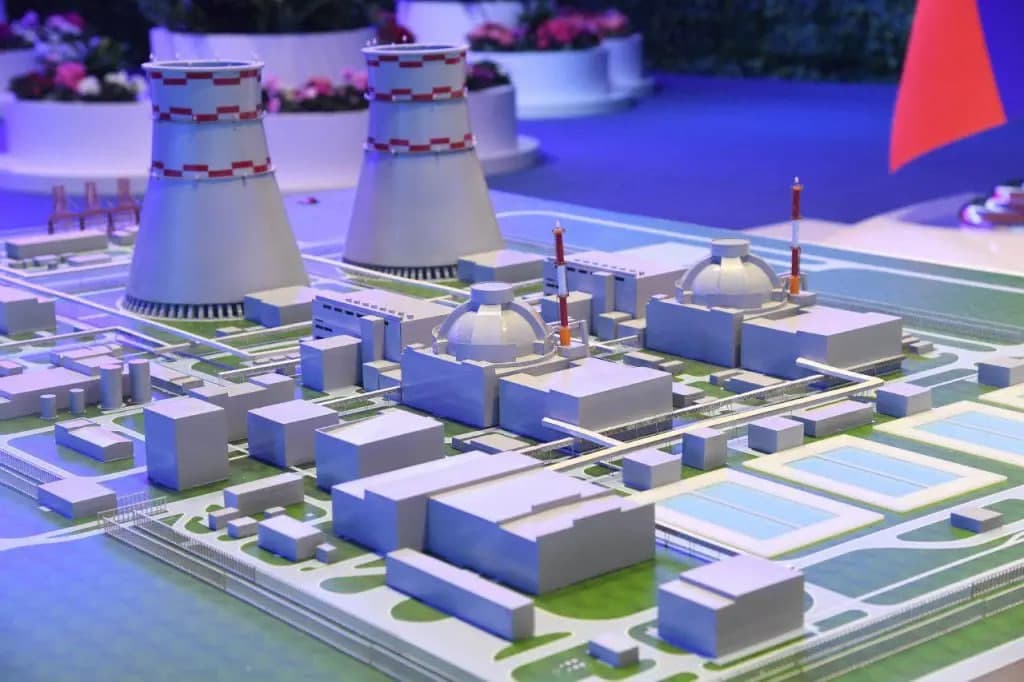
According to Abdujamil Kalmuratov, head of the Nuclear Power Plant Construction Directorate, the 110 MW nuclear power station being built in Uzbekistan will cost taxpayers less than $1 billion. Earlier, it was reported that the project would cost under $2 billion, but at that time the plan was for a 330 MW facility. The inconsistency between the reduced capacity and the smaller cost may mean that the production cost of electricity generated by the plant could increase in the future.
On October 6, during a press tour of the construction site in Forish district, Jizzakh region, Kalmuratov said that the 110 MW small nuclear power plant (NPP) would cost less than $1 billion, Spot reported.
Responding to a question about the funding source for preparatory work at the site, Kalmuratov said the project is financed by the state budget.
“Yes, this is funded from the state budget. It is a government project. The source of financing is our national budget,” he said.
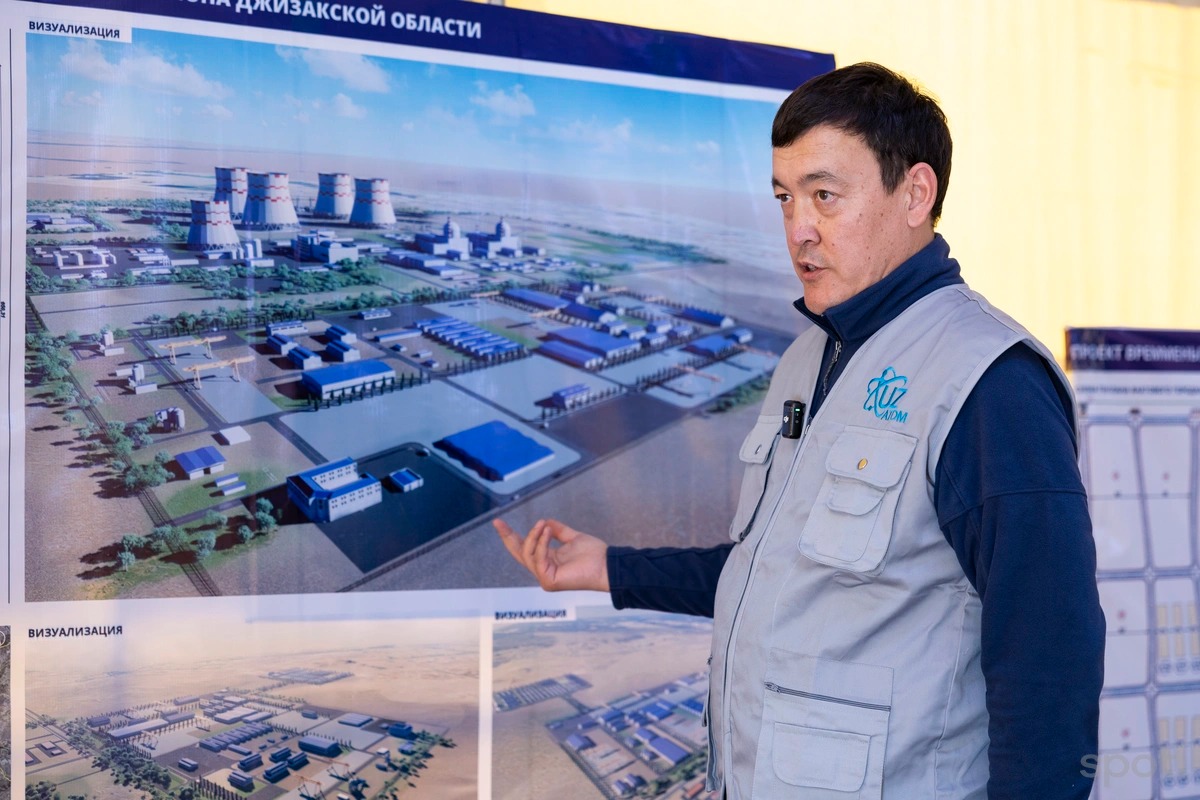
According to Kalmuratov, the final cost of the project will be known after the contract is signed.
He explained that around 60 percent of the project’s total cost will be allocated to the first stage of construction, while the remaining 25–40 percent will depend on the reactor type. He noted that reducing the number of reactors from six to two would not reduce the overall cost threefold.
“You can’t simply divide it by three. The cost will be roughly half, perhaps a bit more, compared to the previous estimate. However, integration with the larger NPP will further reduce overall expenses,” he said, adding that the small NPP will cost less than $1 billion.
Kalmuratov did not provide further details, as additional calculations will be required once the project is integrated with the larger plant.
“The exact price will be specified in the final contract,” he said.
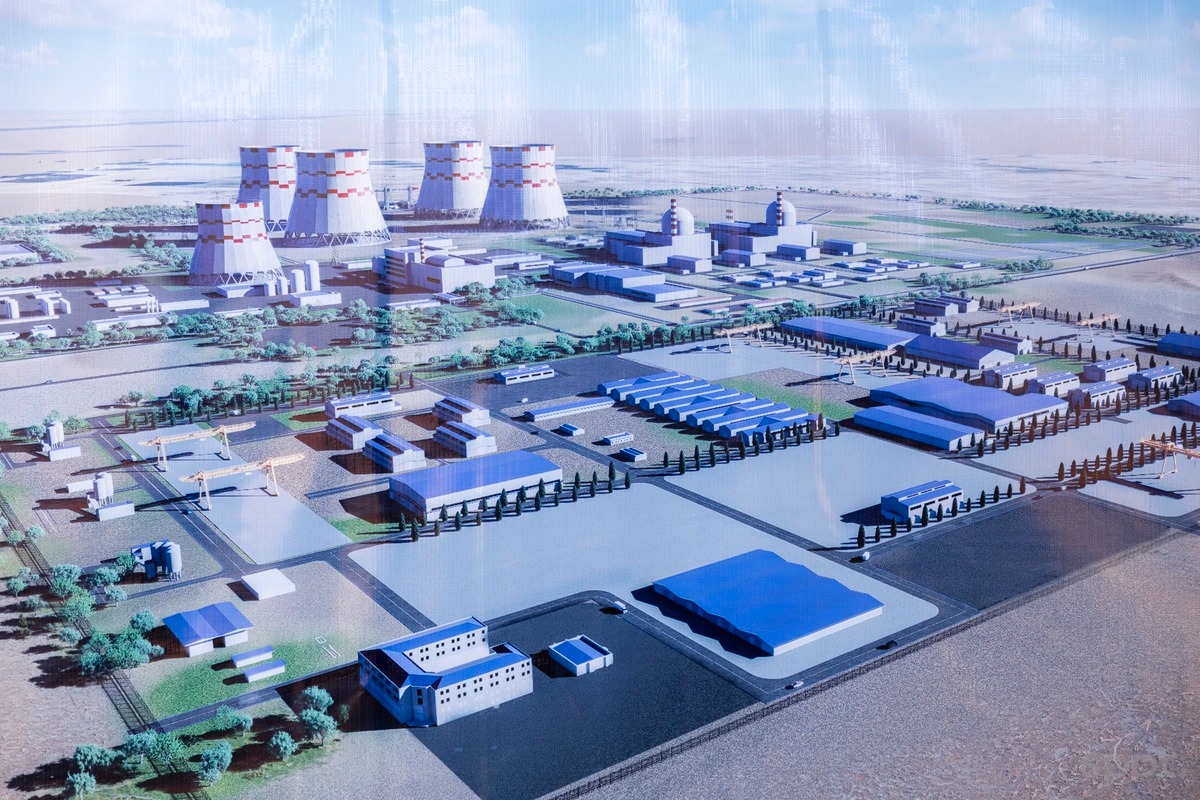
In March, Uzatom director Azim Ahmedkhodjayev stated that the small NPP – consisting of six RITM-200N reactors with a capacity of 55 MW each – would cost under $2 billion. Later, in September, it was announced that the number of reactors would be reduced to two, while two large 1 GW power units would be built nearby. A corresponding agreement with Russia was signed for this project.