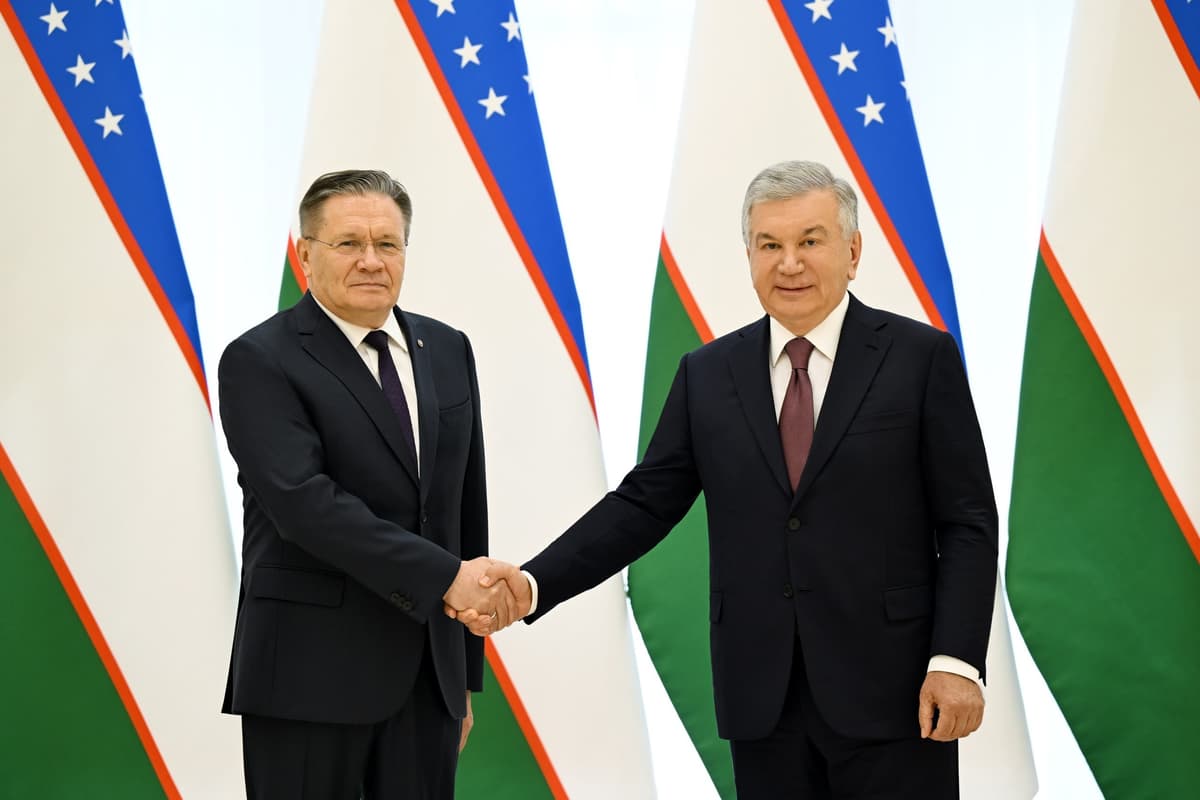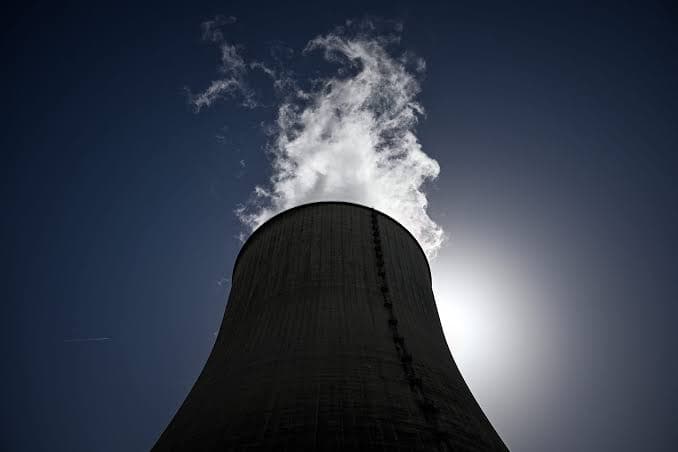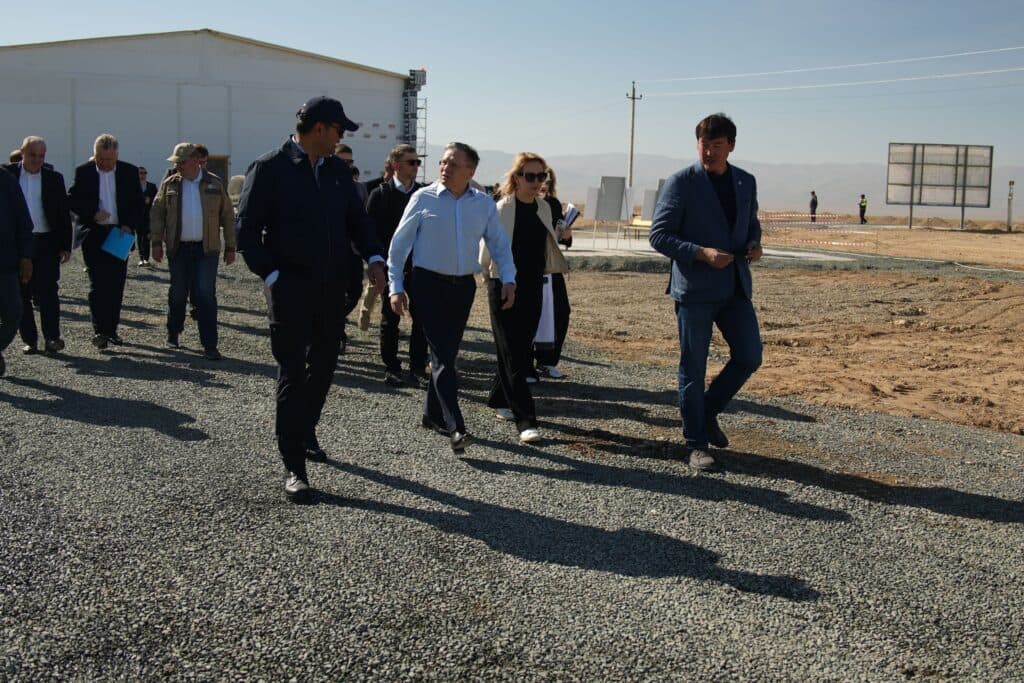
The project, under construction in Jizzakh region, combines small modular reactors with larger power units. Rosatom plans to complete engineering surveys and design work for the large-scale plant next year, Likhachev told reporters.
By the end of 2026, construction crews are expected to complete the foundation slabs for the reactor buildings of two small power units. Work is also due to begin on the control building, reactor buildings and turbine halls.
Local contractors to take on more work
Likhachev said Uzbek contractors were already playing an active role in the project, including a designated subcontractor. Rosatom estimates that the share of work and expertise localized in Uzbekistan could reach 40%.
Greater local involvement would improve the project’s economic efficiency and help train specialists who could later work on Rosatom projects in other countries, he said.
“The more work local contractors carry out, the more efficient the project’s economic model will be. It is also beneficial for us in terms of maintaining a stable workforce for the project,” Likhachev said.
Training specialists for the nuclear sector
Personnel training is also underway. Around 350 students are studying at the Tashkent branch of the National Research Nuclear University MEPhI, while approximately 900 more are enrolled at universities in Russia, including institutions specializing in nuclear energy.
The training is intended to prepare specialists for Uzbekistan’s emerging nuclear power sector as construction progresses.
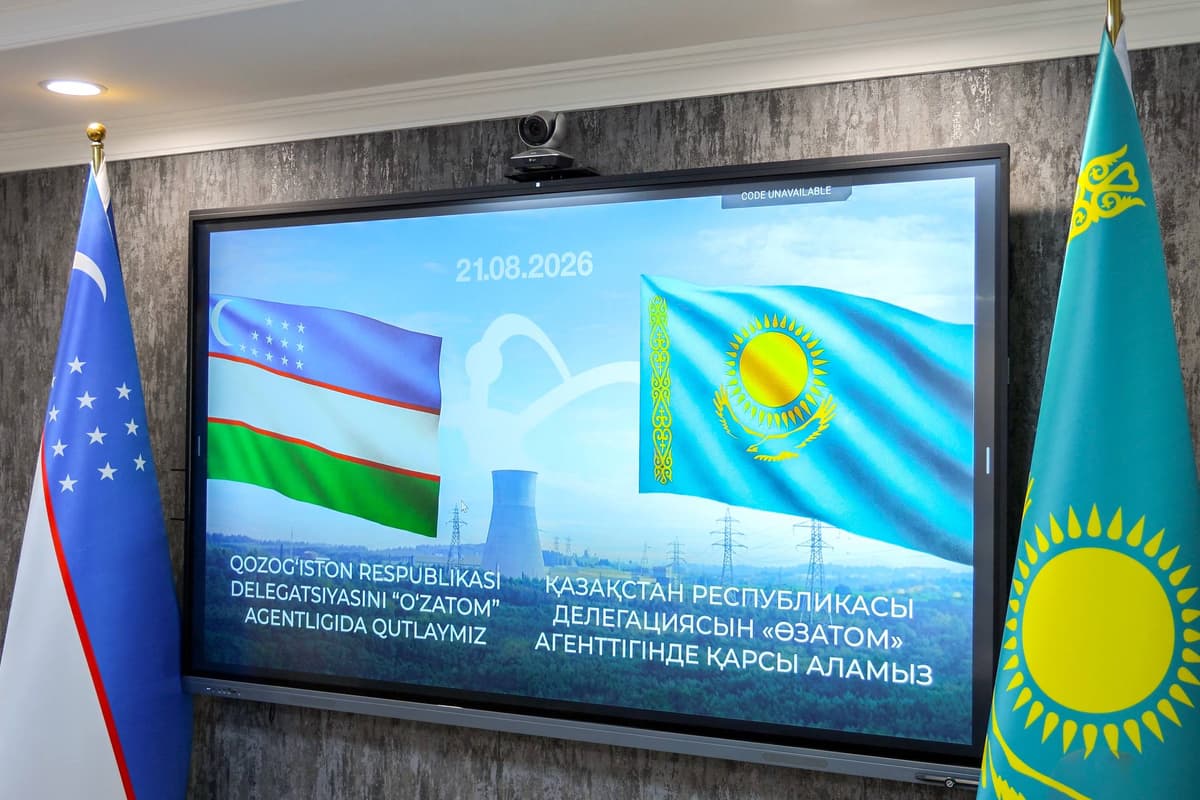
The planned facility is Uzbekistan’s first nuclear power plant and is being developed with Rosatom. The integrated project includes two small modular reactor units and two larger reactors, forming part of the country’s efforts to expand its electricity generation capacity.