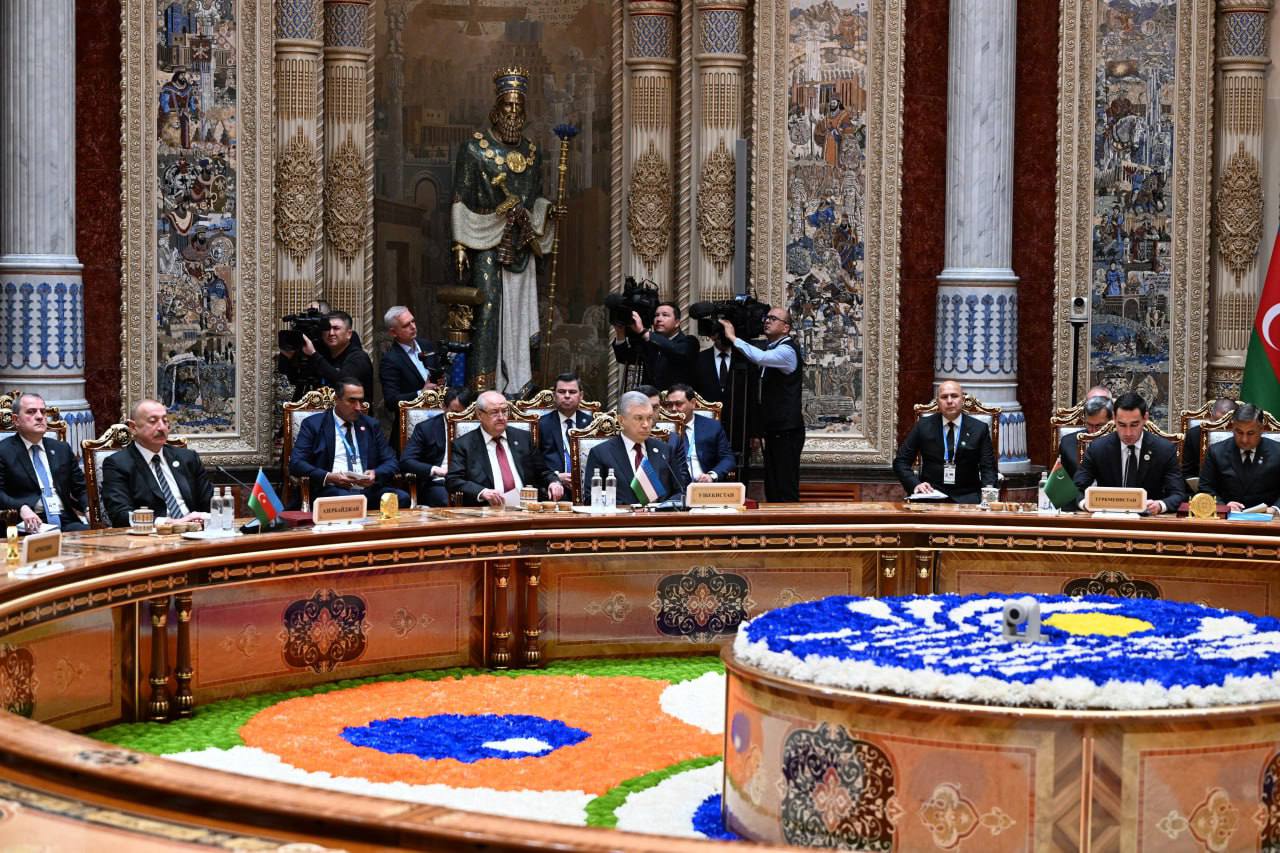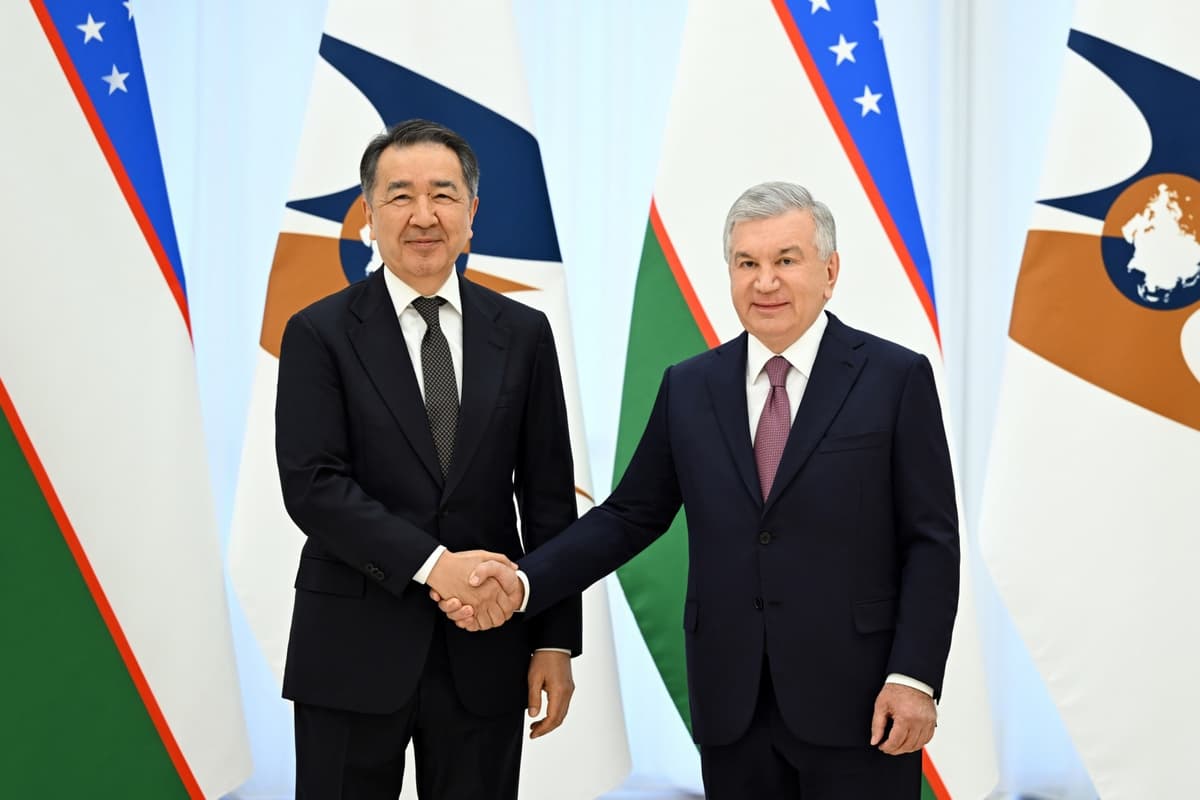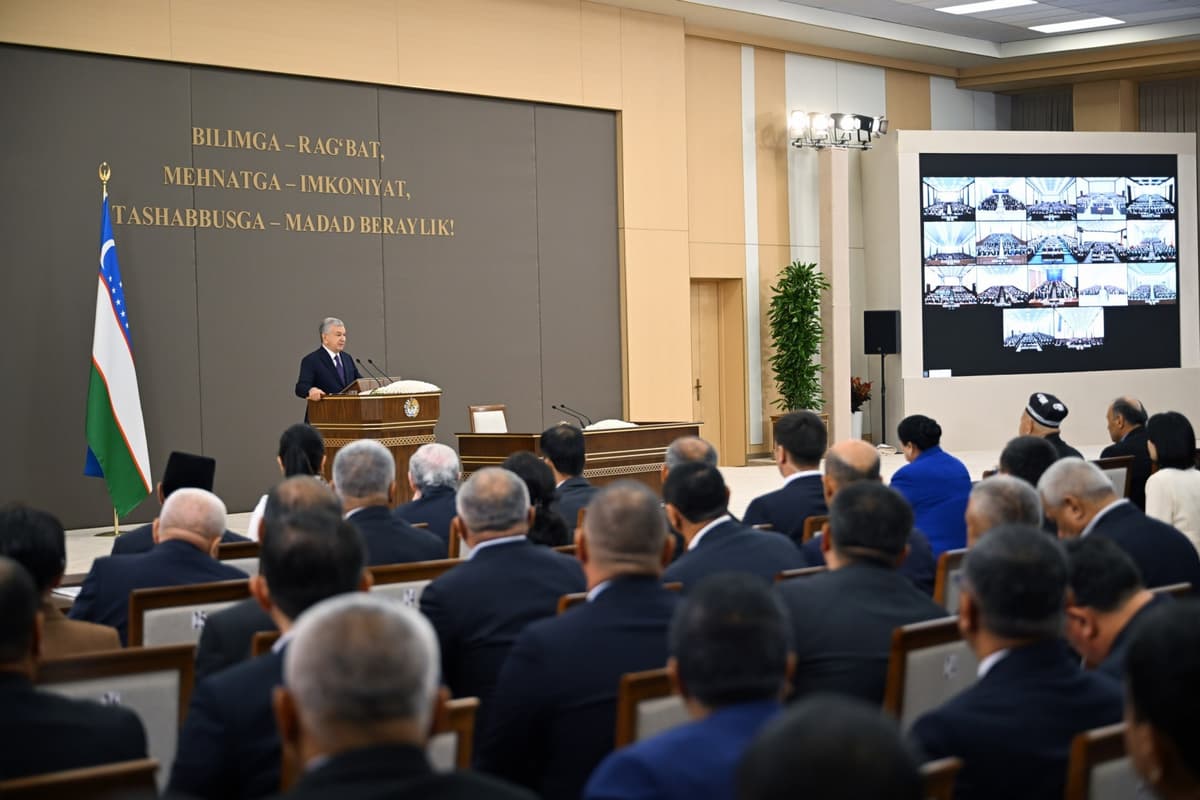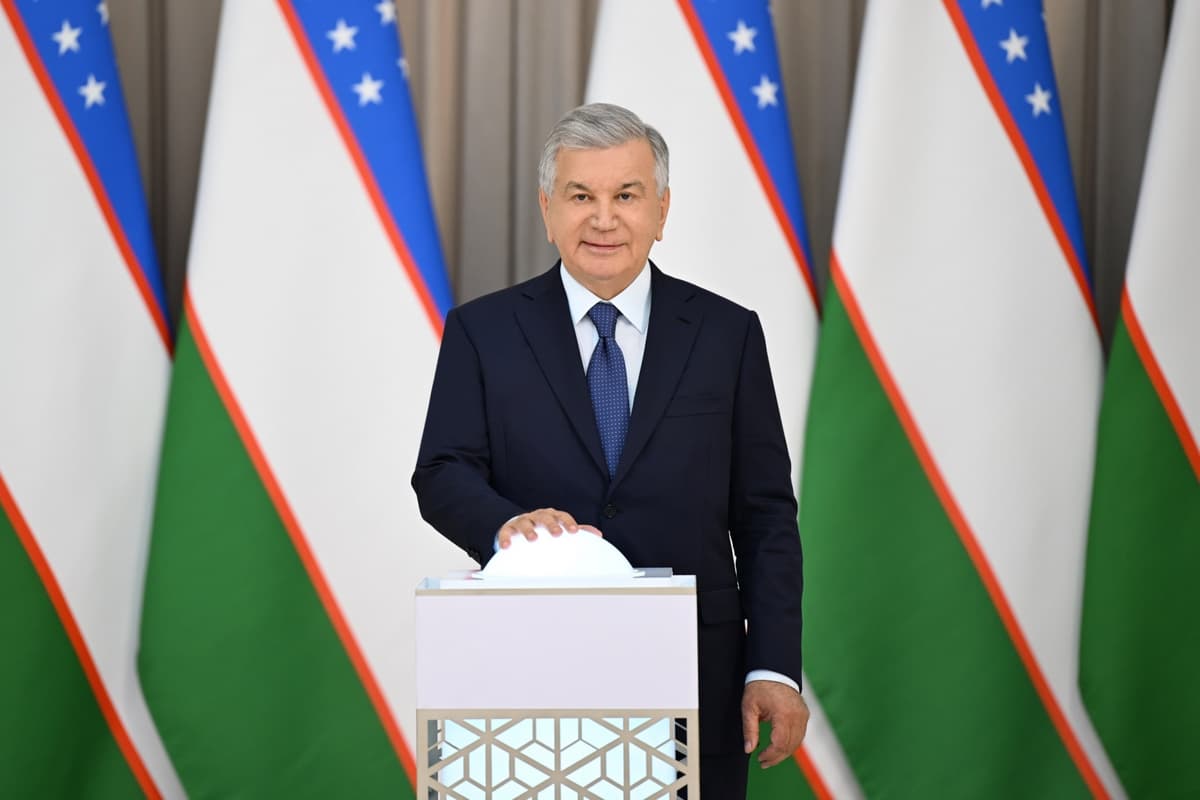
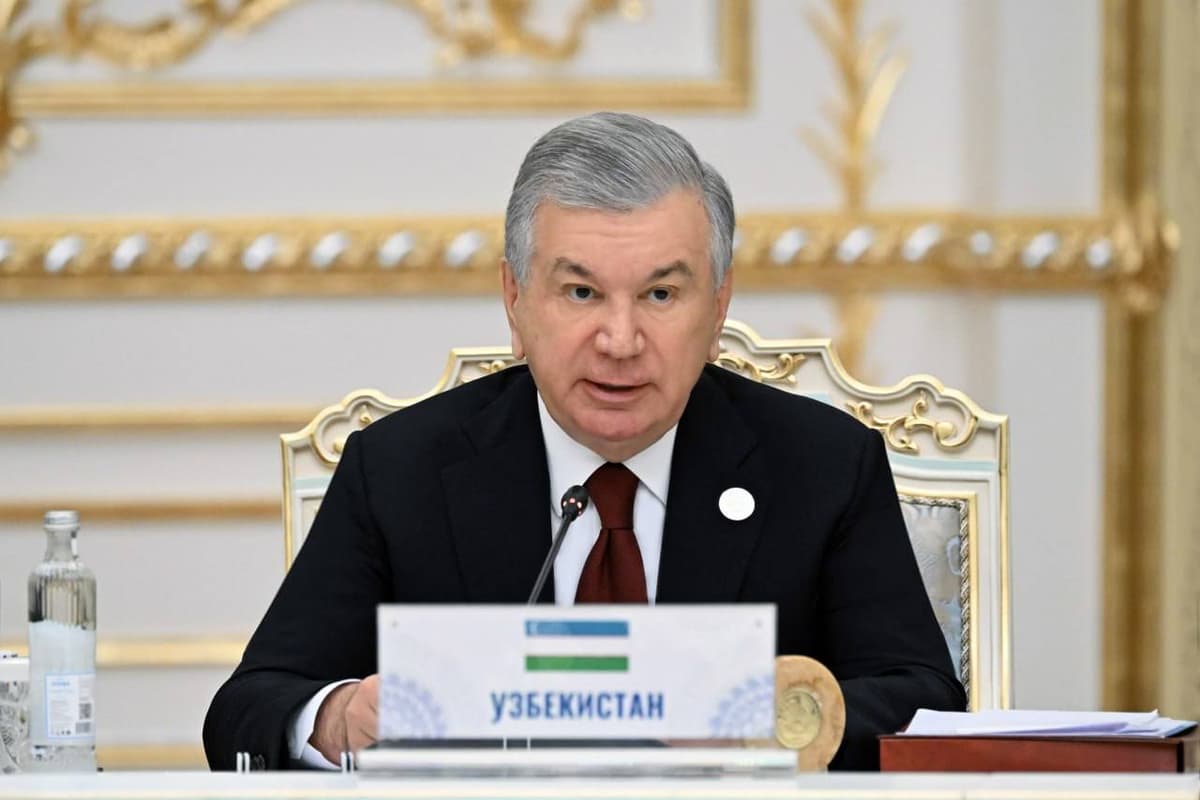
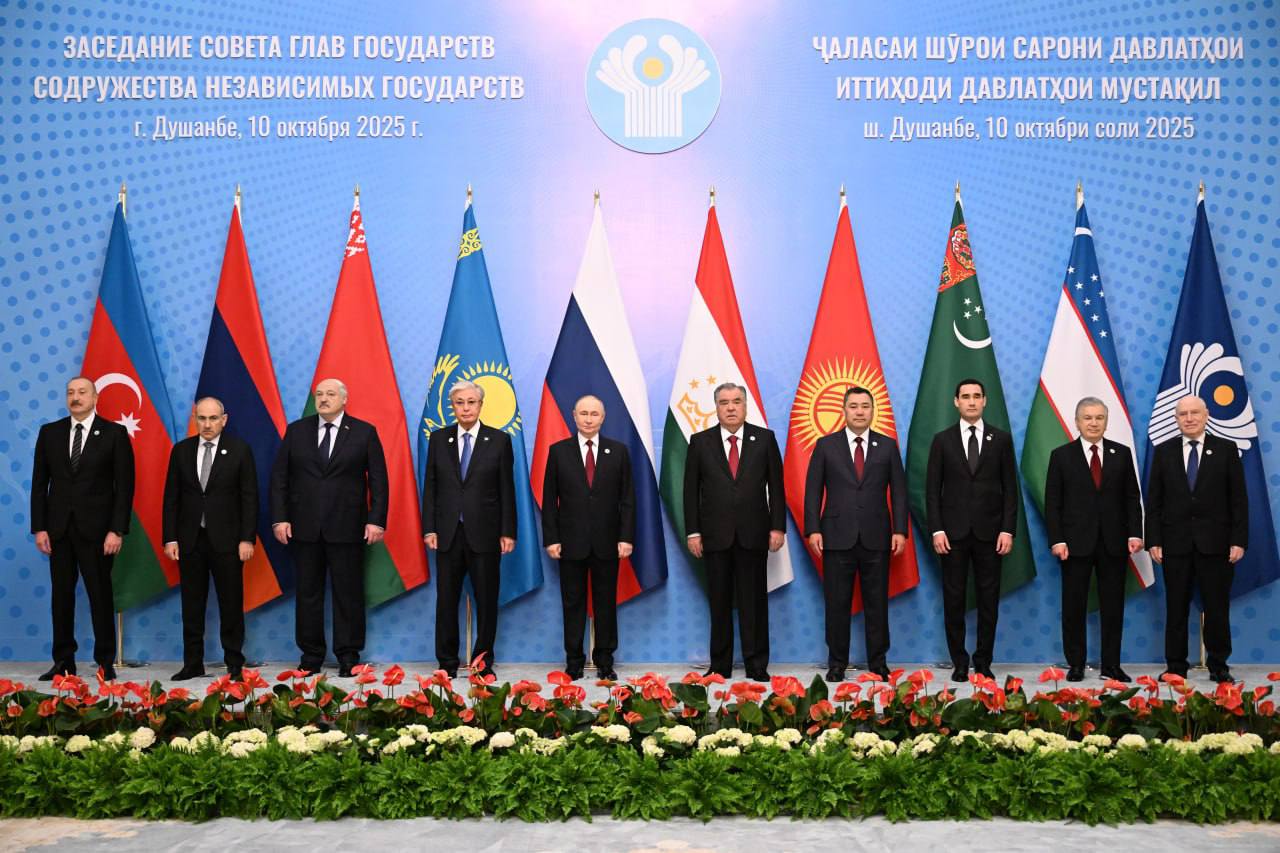
The summit, chaired by Tajikistan’s President Emomali Rahmon, was also attended by President Ilham Aliyev of Azerbaijan, President Alexander Lukashenko of Belarus, President Kassym-Jomart Tokayev of Kazakhstan, President Sadyr Japarov of Kyrgyzstan, President Vladimir Putin of Russia, President Serdar Berdimuhamedov of Turkmenistan, Prime Minister Nikol Pashinyan of Armenia, and CIS Secretary-General Sergey Lebedev.
The agenda focused on expanding practical cooperation within the Commonwealth.
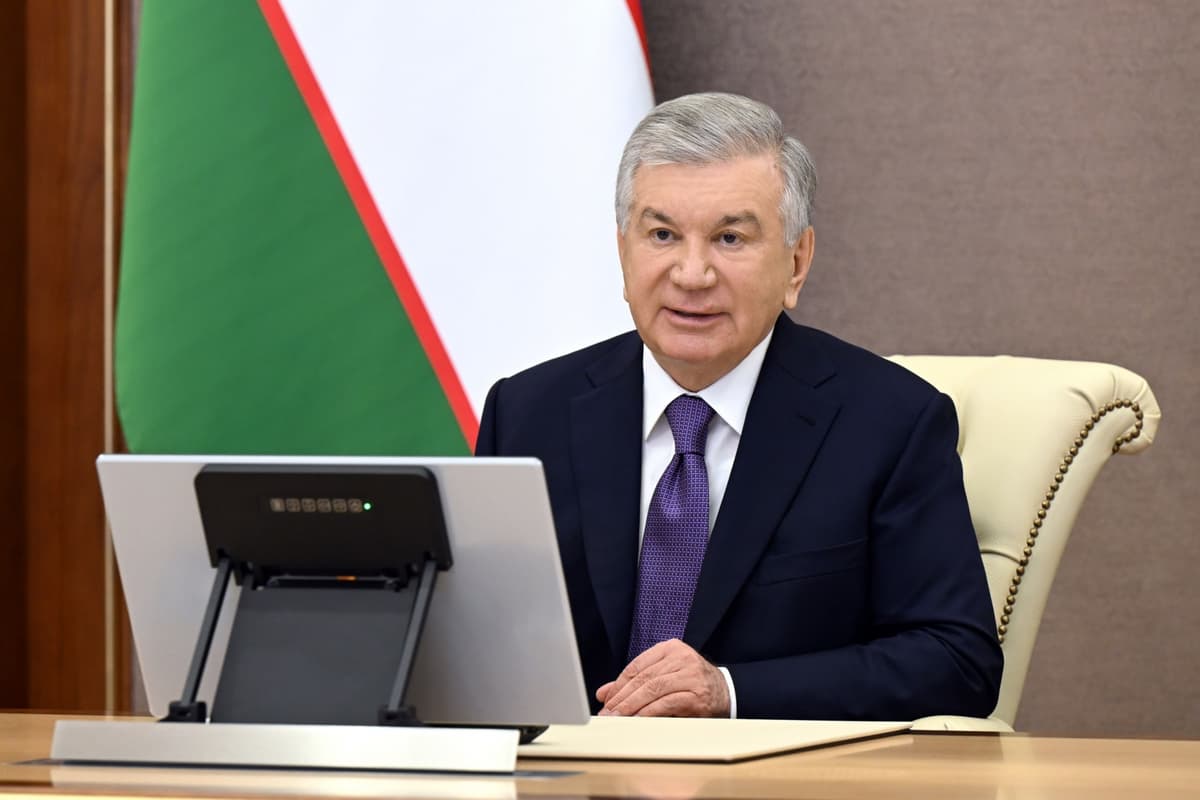
At the beginning of his address, President Mirziyoyev noted that despite the unpredictability of global political and economic developments and the weakening role of international institutions, the CIS continues to demonstrate its stability, efficiency, and relevance.
He highlighted that the mechanisms and ties developed over decades have fostered close cooperation across economic, social, and humanitarian spheres.
“Uzbekistan is interested in further strengthening cooperation within the CIS, as well as enhancing practical collaboration with our natural partners,” said Mirziyoyev.
The president then presented several proposals and initiatives aimed at expanding practical cooperation among CIS member states.
Taking into account the growing challenges in the global economy, the rise of protectionism, and emerging risks to sustainable development, Mirziyoyev emphasized that strengthening economic partnership must remain a key priority of the organization.
Uzbekistan’s trade turnover with its CIS partners increased by 11 percent last year, and the trend continues this year, he said, attributing this to deepening intersectoral cooperation and growing mutual investment flows.
To make better use of existing opportunities and maintain current momentum, the president proposed focusing joint efforts on several priority areas:
1. Expanding trade turnover
Mirziyoyev stressed the need to create more favorable conditions for trade, simplify procedures and requirements for the delivery of certain goods – especially agricultural products – and ensure access to national markets, including participation in public procurement.