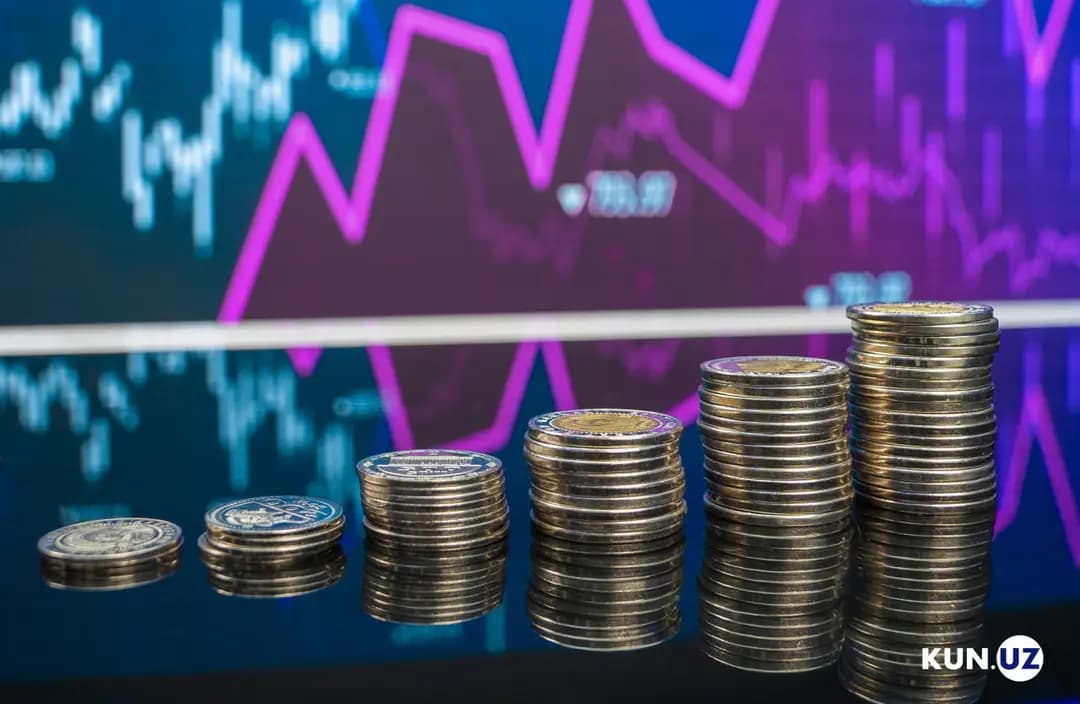
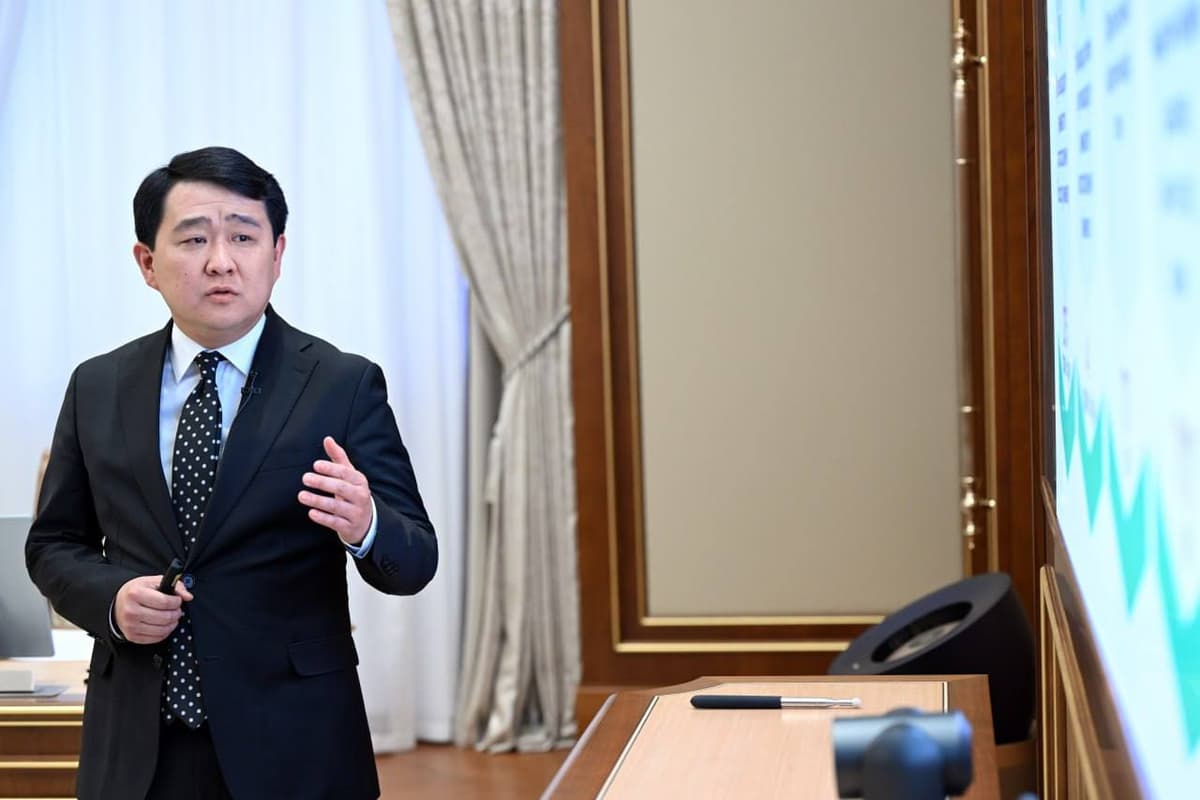
The president was briefed that the current market value of outstanding securities stands at UZS 275 trillion, while the volume of freely traded securities has reached UZS 4 trillion. The market includes 717 issuers and 77 professional participants.
Despite this, market capitalization amounts to only 20 percent of gross domestic product – far below global benchmarks. Officials noted that the sector holds significant untapped potential.
In this context, measures were discussed to attract at least $1 billion in investment into Uzbekistan’s capital market.
Plans include authorizing dual-listing operations, enabling companies to list their securities simultaneously on domestic and international stock exchanges in line with global standards. The introduction of new financial instruments is also envisaged, such as foreign-currency bonds, global depository receipts, foreign securities, and exchange-traded funds.
The presentation placed particular emphasis on expanding the legal framework of the “regulatory sandbox.”
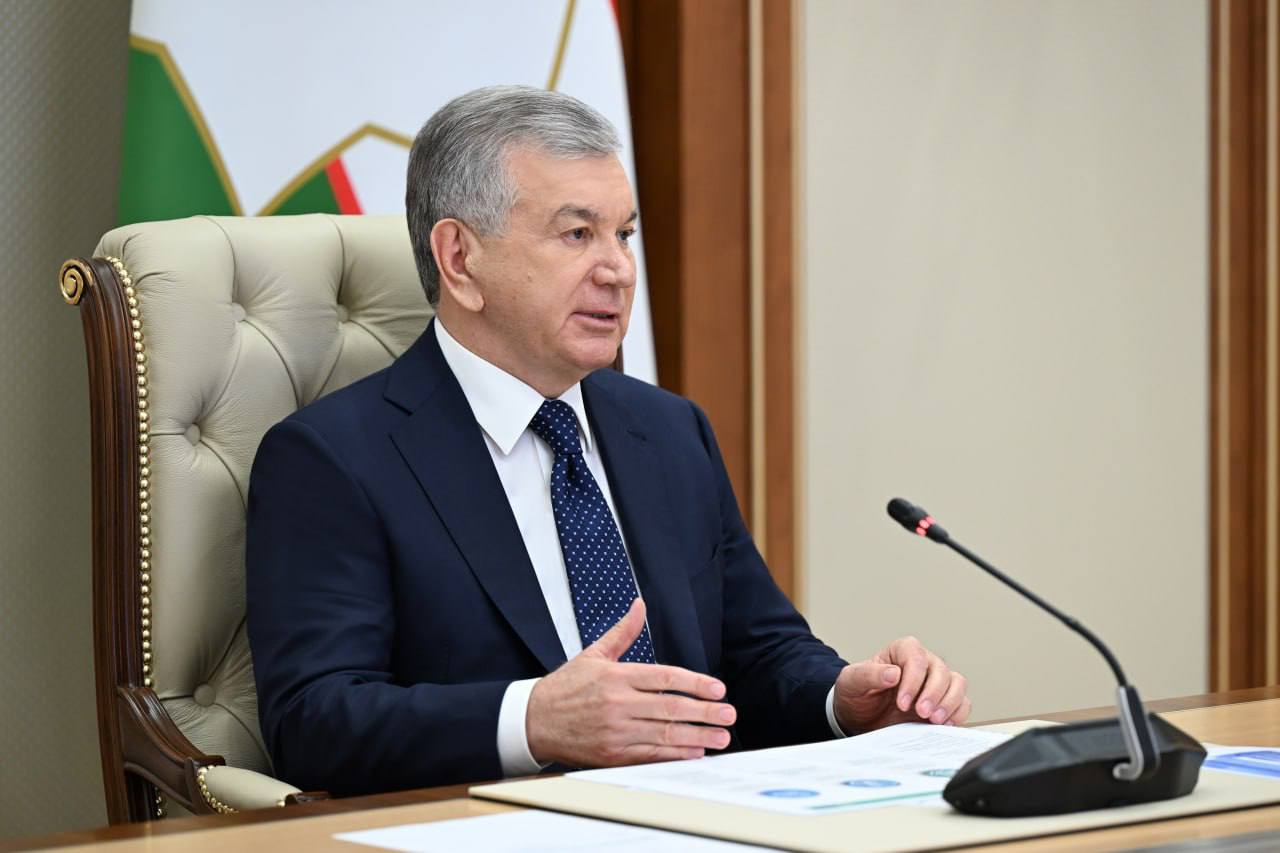
Under the proposed changes, sandbox conditions would apply not only to nonresidents but also to residents; foreign investors would be granted an unlimited participation period; and trading in shares, bonds, and other securities of foreign companies would be permitted. Officials noted that this would help reduce unofficial trading of foreign securities.
Proposals were also considered for encouraging greater participation of domestic investors in the capital market.
Local companies and banks will be allowed to issue bonds in foreign currency on the Tashkent Stock Exchange, enabling them to raise funds in foreign currency without turning to external markets.
It was also emphasized that the corporate bond market can be expanded by allowing issuers to release unsecured bonds or bonds exceeding their equity capital.
The discussion also covered improvements to oversight and regulatory systems in the capital market.
Plans were presented to align national legislation with the standards of the International Organization of Securities Commissions, strengthen the regulator’s powers, and gradually raise capital requirements for professional market participants.