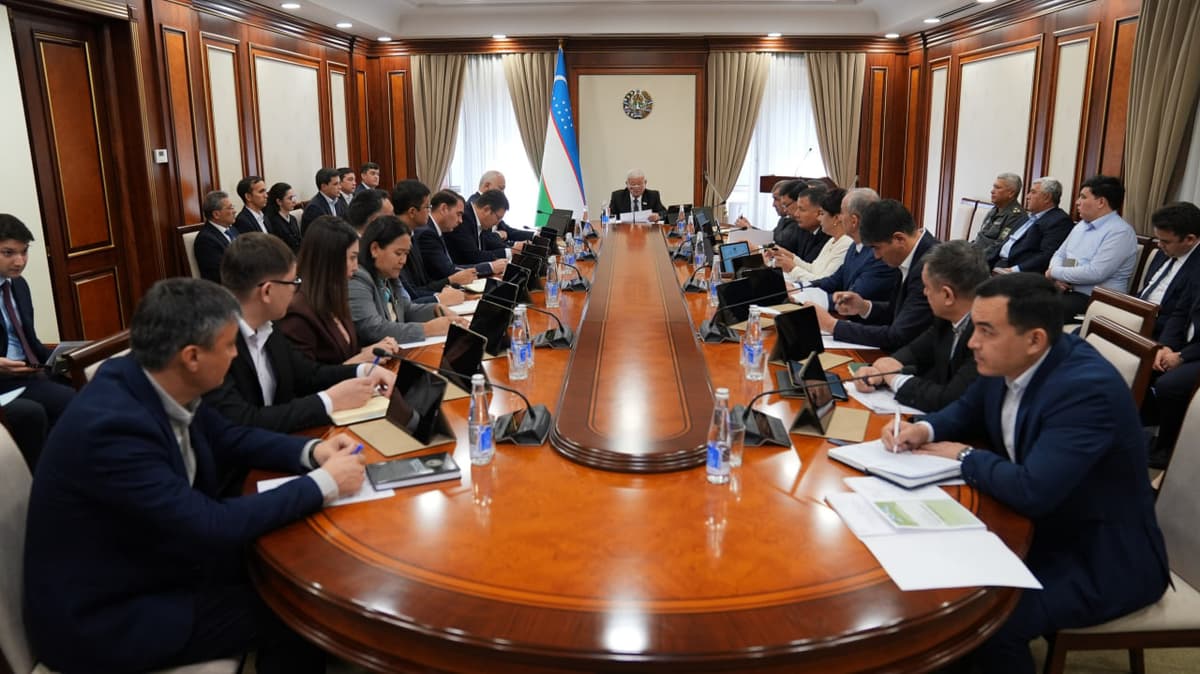
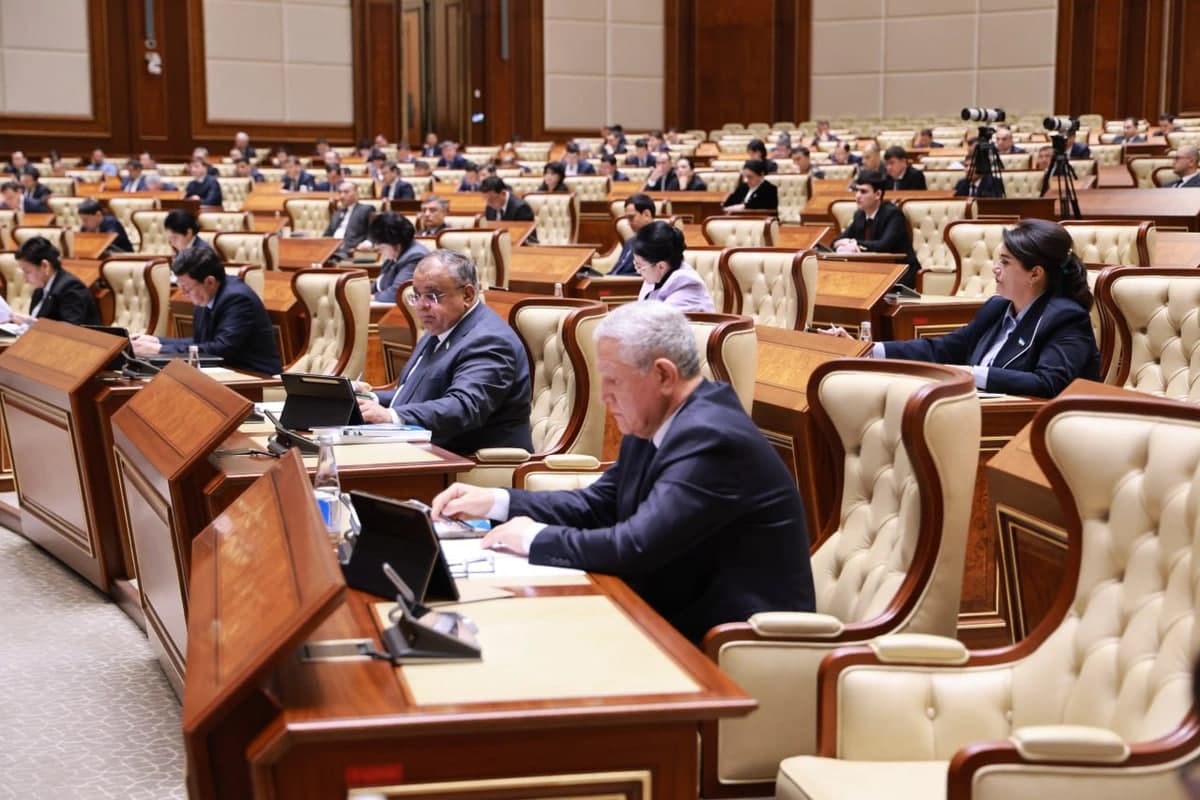
The issue was discussed on December 18 during the Senate’s review of amendments to the 2025 budget. Senators focused on the performance of the Republican Targeted Fund for Compensation of Property Damage Caused to Individuals and Legal Entities, noting that arrears and untimely payments continue to be reported in several regions.
Under the approved amendments, the fund’s budget for 2025 has been increased by UZS 150 billion, from UZS 550 billion to UZS 700 billion. The additional resources are earmarked for compensating land acquisitions linked to major infrastructure projects, including road construction in Samarkand region and Termez, as well as new transport links between Tashkent and New Tashkent. For comparison, fund expenditures stood at UZS 600 billion in 2024 and UZS 650 billion in 2023.
Senator Sayyora Abdikarimova said that Senate field studies had identified multiple cases where compensation for seized land plots and demolished property was either incomplete or delayed, even though funding was available.
“In some regions, compensation arrears persist despite sufficient resources in the fund,” she said, asking what share of the outstanding obligations would be covered by the latest increase and what measures the Ministry of Economy and Finance was taking to fully eliminate the backlog. She also requested clarification on how strictly the fund’s resources are used for their intended purposes.
Ministry: No arrears at the republican level
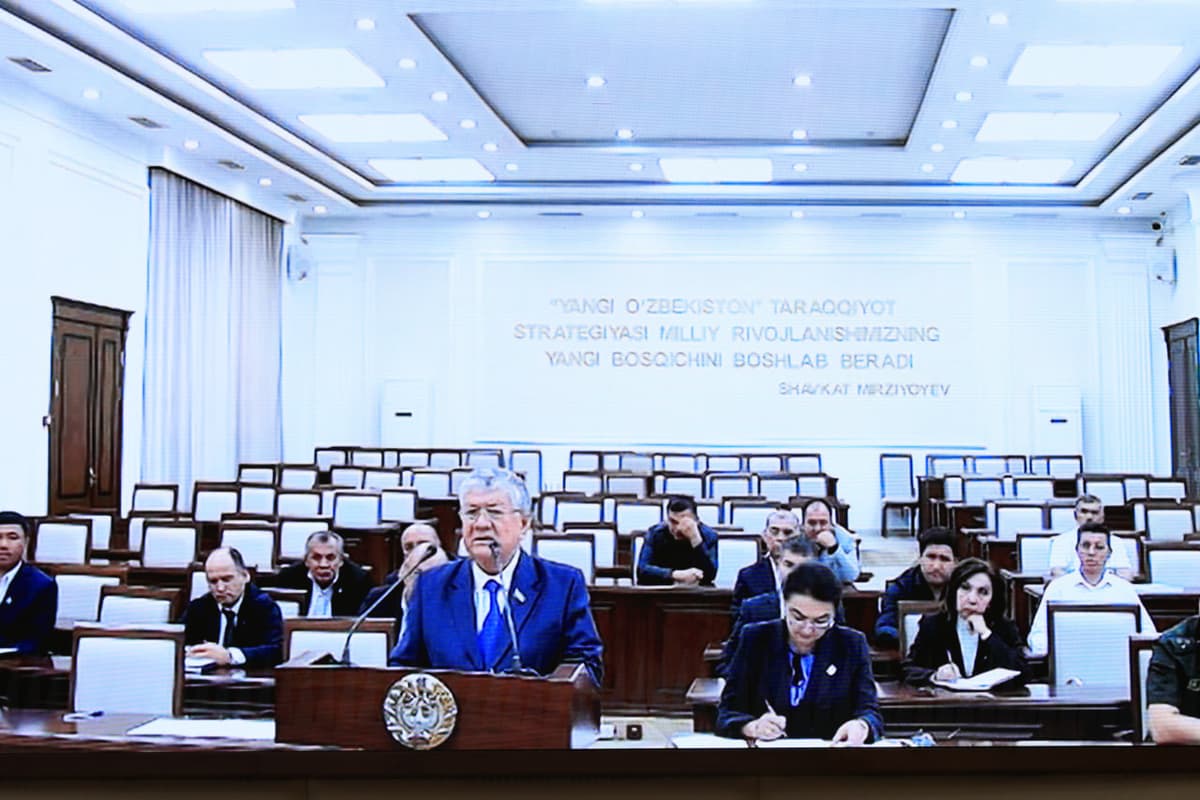
Responding to the concerns, Ruslanbek Mamanov, Director of the Department for Improving the Local Budget System at the Ministry of Economy and Finance, said that no arrears exist at the level of the Republican Compensation Fund itself.
He recalled that the 2022 law on procedures for land seizure for public needs established that compensation payments are made on the basis of Cabinet of Ministers decisions and are primarily linked to large infrastructure projects.
According to Mamanov, the additional UZS 150 billion is required to support several major initiatives, including UZS 68 billion for road and transport infrastructure projects in Samarkand region financed by the Abu Dhabi Development Fund, UZS 58 billion for road reconstruction and new construction in Termez, and UZS 67 billion for an overpass and road projects connecting New Tashkent with the capital.
He explained that funds from the republican budget are transferred to regional compensation funds only after full agreement has been reached with property owners.