





Additional features
-
Night mode

Uzbekistan considers asset declarations for judges to boost transparency
President Shavkat Mirziyoyev on February 12 reviewed a report from the Chairman of the Supreme Judicial Council outlining new initiatives aimed at reinforcing judicial independence, increasing transparency, and preventing corruption within the court system.
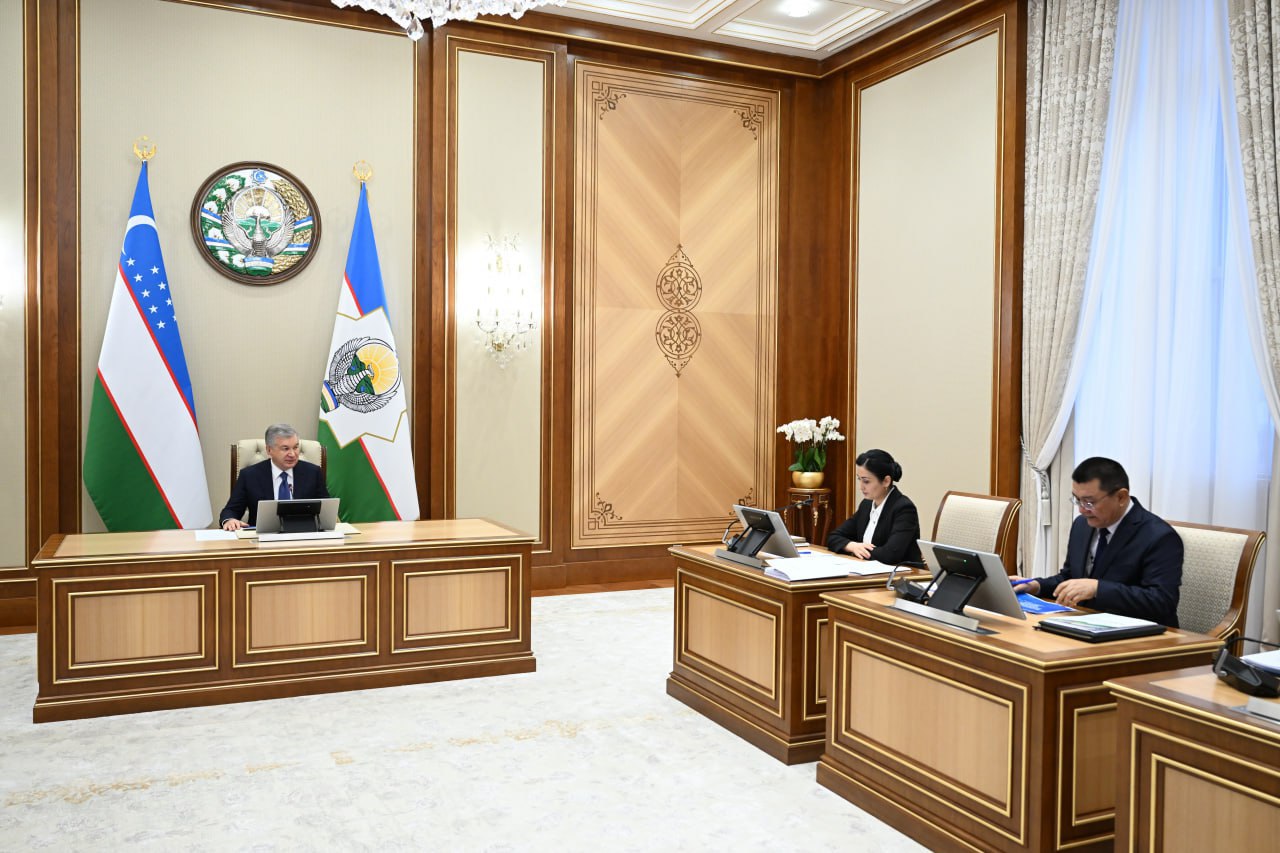
Among the key proposals discussed was the introduction of a mandatory asset declaration system for judges and their family members. The initiative is intended to enhance accountability and public trust in the judiciary. In addition, plans were put forward to establish a compliance control mechanism within court administrative bodies to prevent corruption, as well as to introduce an open and transparent recruitment process for court staff.
According to the report, the Supreme Judicial Council bears direct responsibility for safeguarding judicial independence and protecting judges from external interference. Over the reporting period, significant disciplinary measures were taken within the judiciary. The powers of 59 judges were terminated ahead of schedule. Of these, 19 were dismissed for violating their judicial oath or failing to comply with the Code of Judicial Ethics, while three judges faced criminal prosecution. A total of 58 judges were demoted, and 33 judges whose terms had expired were deemed unsuitable for reappointment. Additionally, 266 judges were subjected to disciplinary action.
Five submissions were forwarded to the Prosecutor General’s Office last year in connection with cases of interference in judicial activities. To further protect judicial immunity, a rapid reporting mechanism has been introduced on the official website of the Supreme Judicial Council, enabling prompt notification of violations of judicial inviolability.
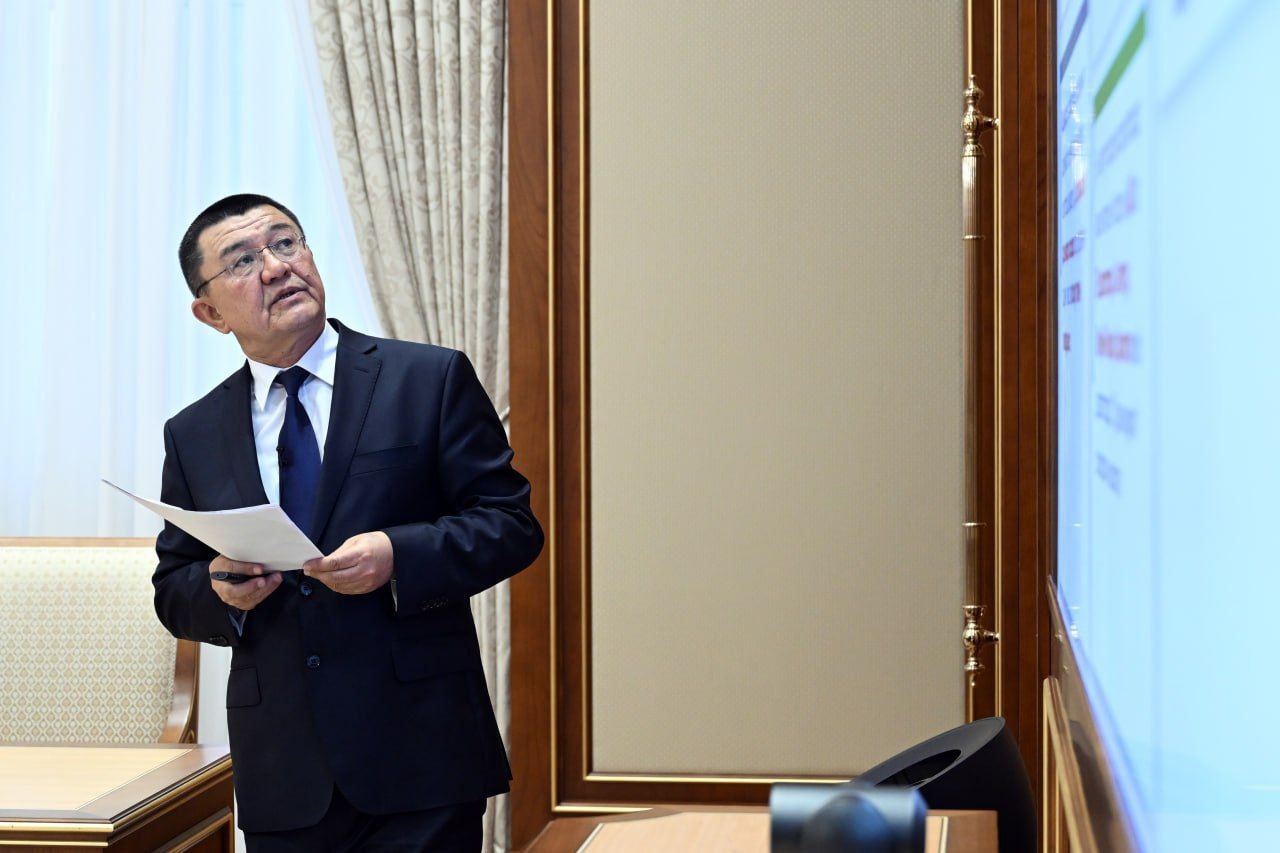
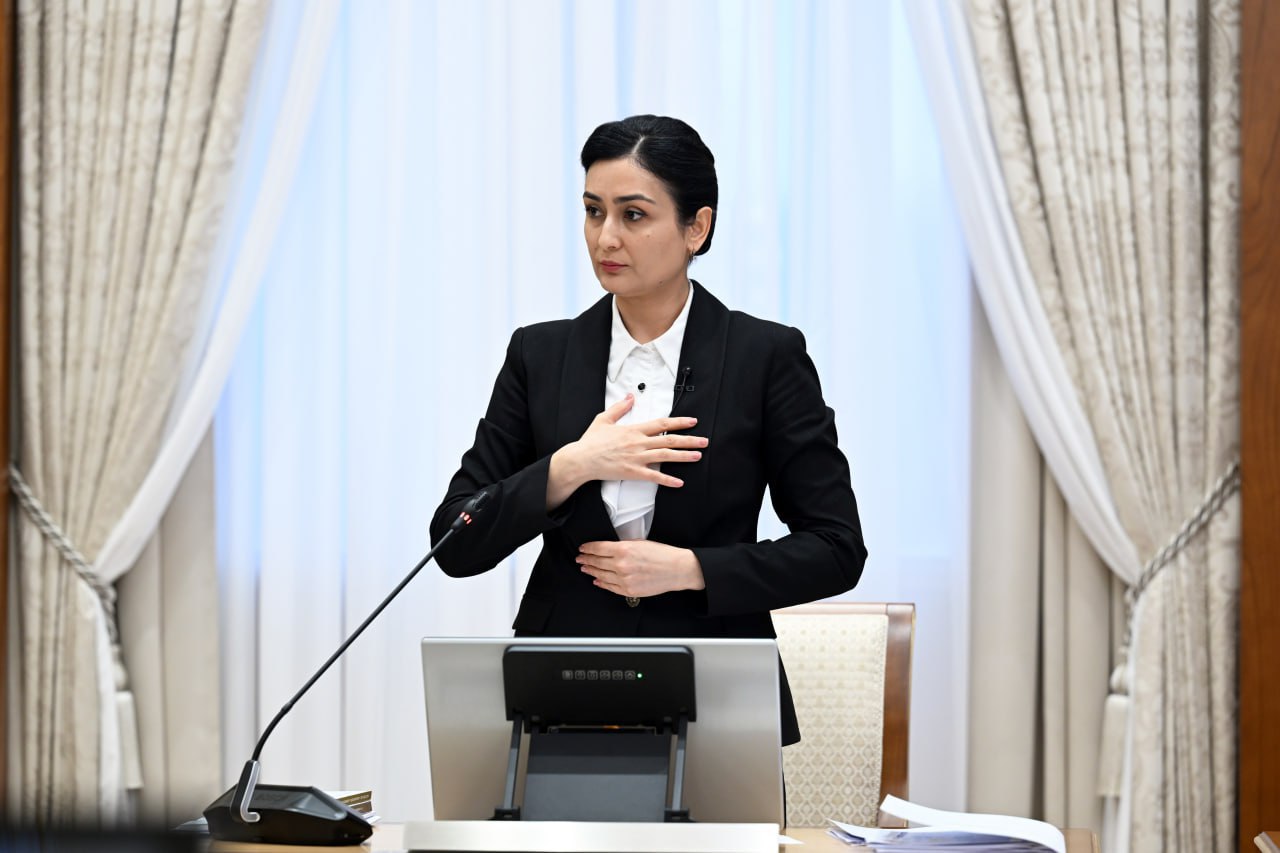
As part of efforts to safeguard judicial independence, more than 6,000 orders issued by regional court chairpersons were reviewed. In 231 cases, involving 314 judges, orders were found to have assigned responsibilities unrelated to the administration of justice. Measures have since been taken to eliminate such practices.
To relieve judges of non-core duties, authorities plan to study advanced international practices with a view to establishing a dedicated “court administration” institution. This body would be responsible for personnel management, material and technical support, and organizational matters, allowing judges to focus exclusively on adjudication.
Another proposal involves the creation of a Judicial Disciplinary Board to ensure an impartial procedure for imposing disciplinary sanctions on judges.
The meeting also addressed the issue of gender equality within the judiciary as part of the state’s broader policy to support women. Preparations were discussed for marking March 10, International Day of Women Judges.
President Mirziyoyev expressed support for the proposed measures and issued recommendations aimed at consistently advancing systemic reforms to strengthen judicial independence, protect judges’ immunity, and eliminate factors that hinder the fair administration of justice.

Related News

19:01 / 05.06.2026
Uzbekistan ranks 124th in global corruption index as institutional challenges persist

18:49 / 13.04.2026
Anti-Corruption Agency ranks Tashkent city administration among least transparent state bodies in 2025 Openness Index

14:18 / 13.04.2026
Medical negligence or systemic failure? Parents of deceased children at Tashkent clinic demand transparency

15:40 / 29.04.2025