
POLITICS | 11:41
165
5 min read

Uzbekistan to dissolve UzTest and privatize certification services

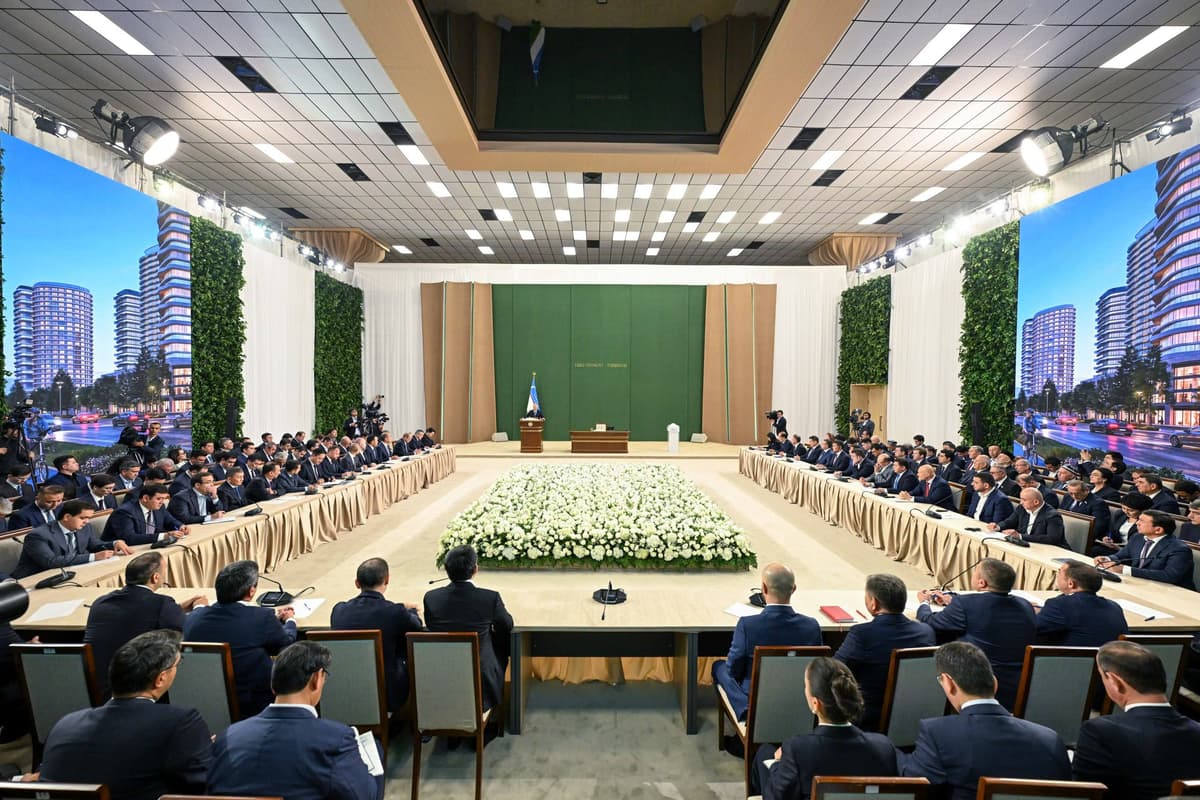
President Shavkat Mirziyoyev on February 12 reviewed proposals to fundamentally reform Uzbekistan’s technical regulation system in line with international standards, as part of the country’s broader economic modernization and accession process to the World Trade Organization.

Photo: Presidential Press Service

Under the proposed changes, the UzTest Center will be dissolved, and the Accreditation Center will be transferred to the subordination of the Cabinet of Ministers. Testing and certification services are to be fully handed over to the private sector, while leading international companies, including Intertek, SGS, Bureau Veritas and TÜV, will be attracted to help foster a competitive market environment.

Aligning with WTO requirements

At the meeting, it was emphasized that full compliance of the technical regulation system with international norms is a prerequisite for joining the World Trade Organization. Officials noted that the current practice of inspecting enterprises during product conformity assessments has been a source of dissatisfaction among businesses.

Under existing rules, if a non-compliant product is identified, restrictions are imposed not only on the product’s circulation but also on the activity of the producing enterprise. In contrast, developed economies rely on risk-based market surveillance systems, where manufacturers assume full responsibility for product compliance through declaration procedures, guaranteeing quality and safety.

In this context, Uzbekistan plans to gradually move away from direct state control toward market surveillance principles. A separate draft law “On Market Surveillance” has been developed to support the transition.

Phasing out outdated standards

The presentation highlighted the need to abandon obsolete standards and ineffective technical regulations and to transition fully to international benchmarks. Uzbekistan currently has more than 33,000 standards in force, about half of which are considered outdated or not aligned with global requirements.
As part of the reform:

  • Six technical regulations will be repealed.
  • Twenty-nine regulations will be revised.
  • 4,460 international standards are to be adopted this year.
  • More than 2,500 additional standards will be adopted next year.
  • A further 817 international standards are planned for adoption by 2028.

Starting from July 1, 2026, production and services in textiles, leather, furniture, electrical engineering, automotive manufacturing and information technology will transition fully to international standards. From 2027, the shift will extend to oil and gas, metallurgy, transport, construction materials and medical products. From 2028, the reforms will cover energy, chemicals, environmental protection and the services sector.

Simplifying certification and strengthening institutions

Officials underscored the need to simplify certification procedures. The current complex system was described as contributing to unjustified cost increases, bureaucracy and corruption risks. It was proposed to introduce a risk-based assessment model, abolish mandatory certification for remaining product categories and gradually shift to declaration-based conformity.

Adoption of a draft law “On General Product Safety” was also deemed advisable.

Institutional changes will reduce the number of organizations within the Technical Regulation Agency from five to three, through the liquidation of the UzTest Center and the transfer of the Accreditation Center under the Cabinet of Ministers, ensuring greater independence of the accreditation body.

At present, 207 testing laboratories and 73 certification bodies operate in the private sector across various industries. Authorities believe that full privatization of testing and certification services, alongside the entry of major international players, will create healthy competition and improve service quality.

The presentation also addressed the introduction of the national “Cᴜz” conformity mark, digitalization of laboratory operations, reform of the metrology system and expansion of the national reference standards base.

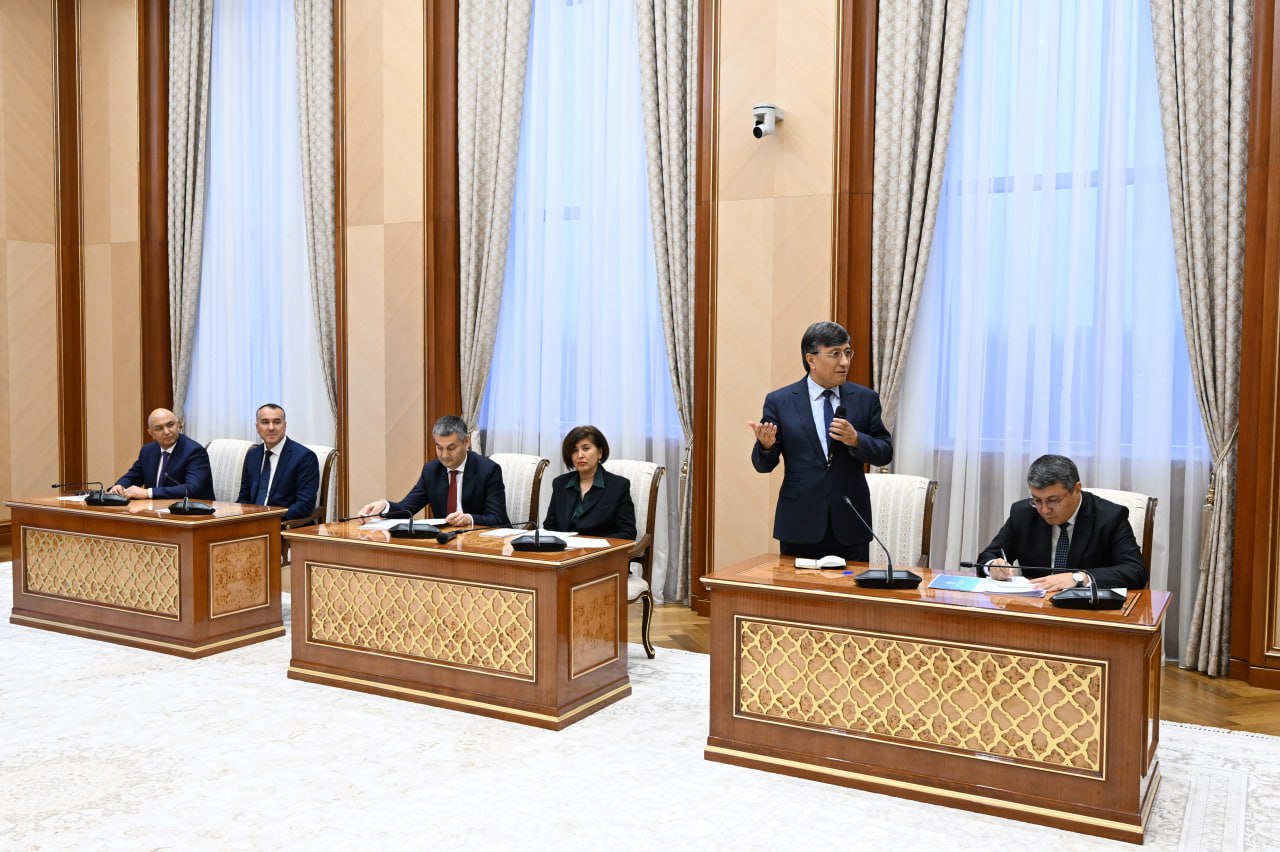
The president listened to feedback from entrepreneurs regarding the proposed reforms and issued specific instructions to responsible officials to ensure the effective implementation of the new system.

Дониёр Тухсинов
Prepared by Дониёр Тухсинов

Related News