The goal was announced by Belarusian Prime Minister Alexander Turchin, who arrived in Uzbekistan on an official visit.
According to the Belarusian government, trade turnover between the two countries rose by 25% last year, reaching nearly $1bn. Cooperation between leading enterprises in priority sectors is also expanding.
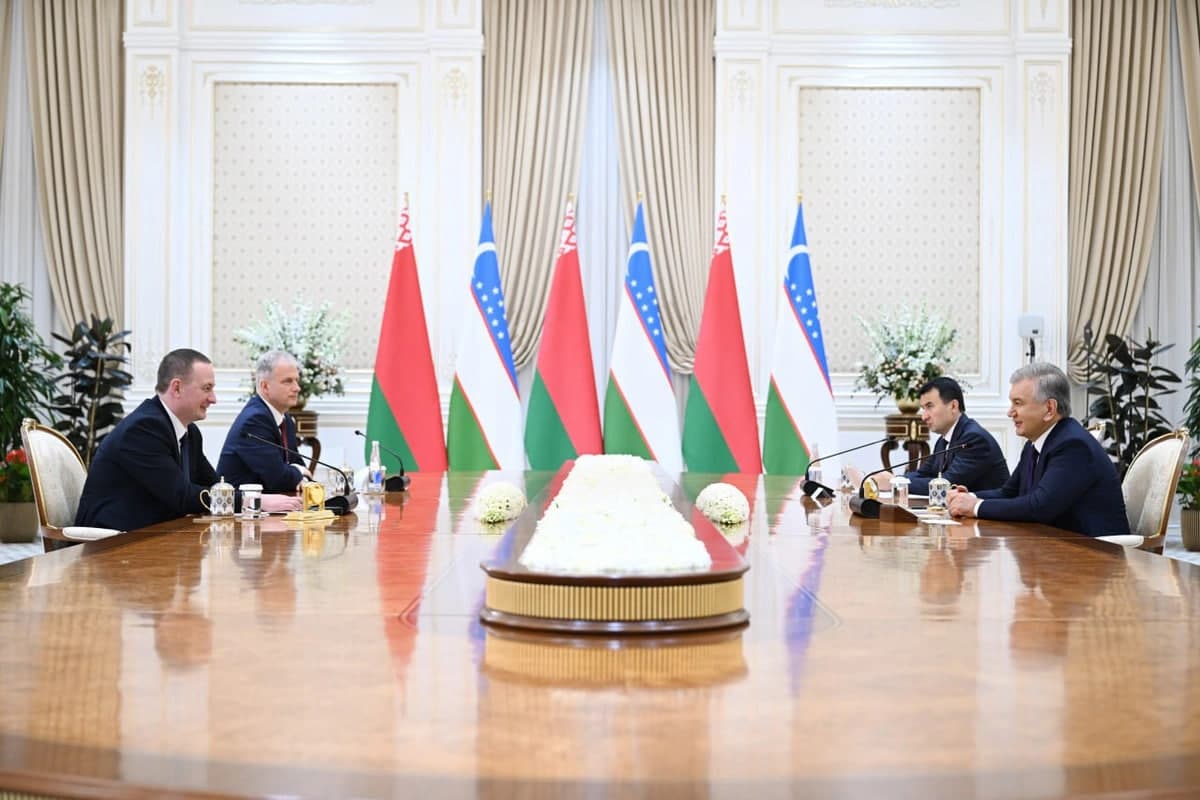
On February 25, President Shavkat Mirziyoyev received Alexander Turchin to discuss the further development of multifaceted Uzbek – Belarusian partnership ties in line with agreements reached at the highest level.
The sides emphasized the importance of shaping a new economic agenda through joint projects in mechanical engineering, electrical engineering, pharmaceuticals, textiles, food processing, and agriculture. They also highlighted the need to intensify interregional cooperation and cultural and humanitarian exchanges.
On Monday, the Belarusian Prime Minister visited the Samarkand Automobile Plant, where he reviewed production activities, and toured the showroom of the SAG group of companies.
He later traveled to Tashkent to inspect production facilities of the Servolux Group and visited TEXNOPARK, one of the country’s major industrial clusters.
The visit also included a trip to Surkhandarya region, where Turchin toured the International Trade Center Termiz. A 135 sq. m pavilion has been leased there to showcase and sell Belarusian products, including fertilizers, peat briquettes, motorcycle and bicycle goods, pharmaceuticals, and carpets.
Both sides underlined the need to improve the efficiency of cargo logistics from Belarus to Uzbekistan, as well as transit routes from Uzbekistan to the European Union via Belarus. Enhancing these corridors is seen as a key factor in achieving the $2bn trade target.
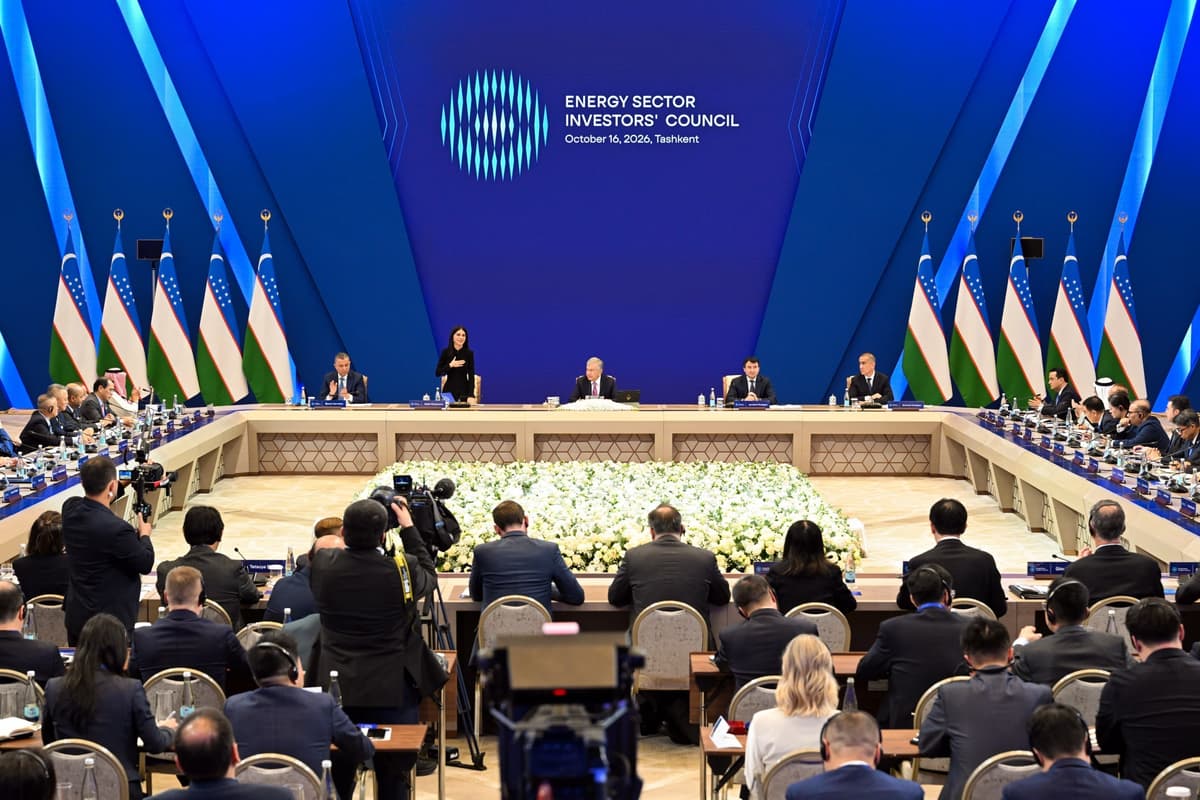
In Tashkent, the fifth meeting of the Uzbek – Belarusian Business Council brought together more than 200 representatives of the two countries’ business communities. Participants discussed expanding trade and economic ties, deepening industrial cooperation, implementing joint investment projects, and localizing production.
Particular attention was paid to cooperation in mechanical engineering, agricultural machinery, food processing, pharmaceuticals, textiles, petrochemicals, logistics, and woodworking.